Written by: Ryan Gardner, Owner, Managing Partner, CEO, Bucked Up
Key Takeaways for Your Training
- Pure L-citrulline at 4g delivers high plasma arginine, which supports strong pump and vascularity during training.1
- Citrulline malate at 6g combines nitric oxide support with malate’s energy role for better endurance and fatigue resistance.1
- Both forms reach peak plasma levels within 30 to 120 minutes, so taking them 30 to 60 minutes pre-workout works well.
- Research supports 6g citrulline malate or 4g pure L-citrulline as effective starting points for workout performance benefits.1
- Choose Bucked Up L-Citrulline formulas that align with your focus on pump, endurance, or a balance of both.
Pure L-Citrulline for Pump and Vascularity
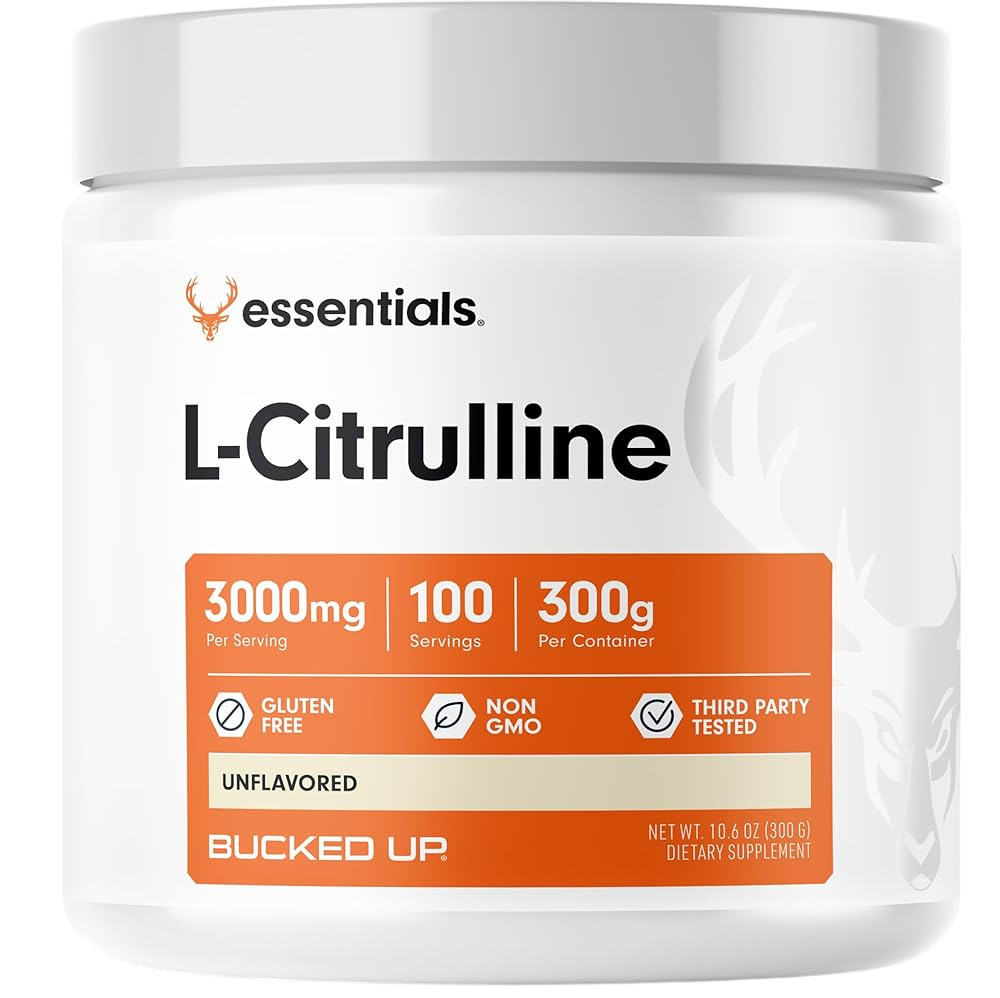
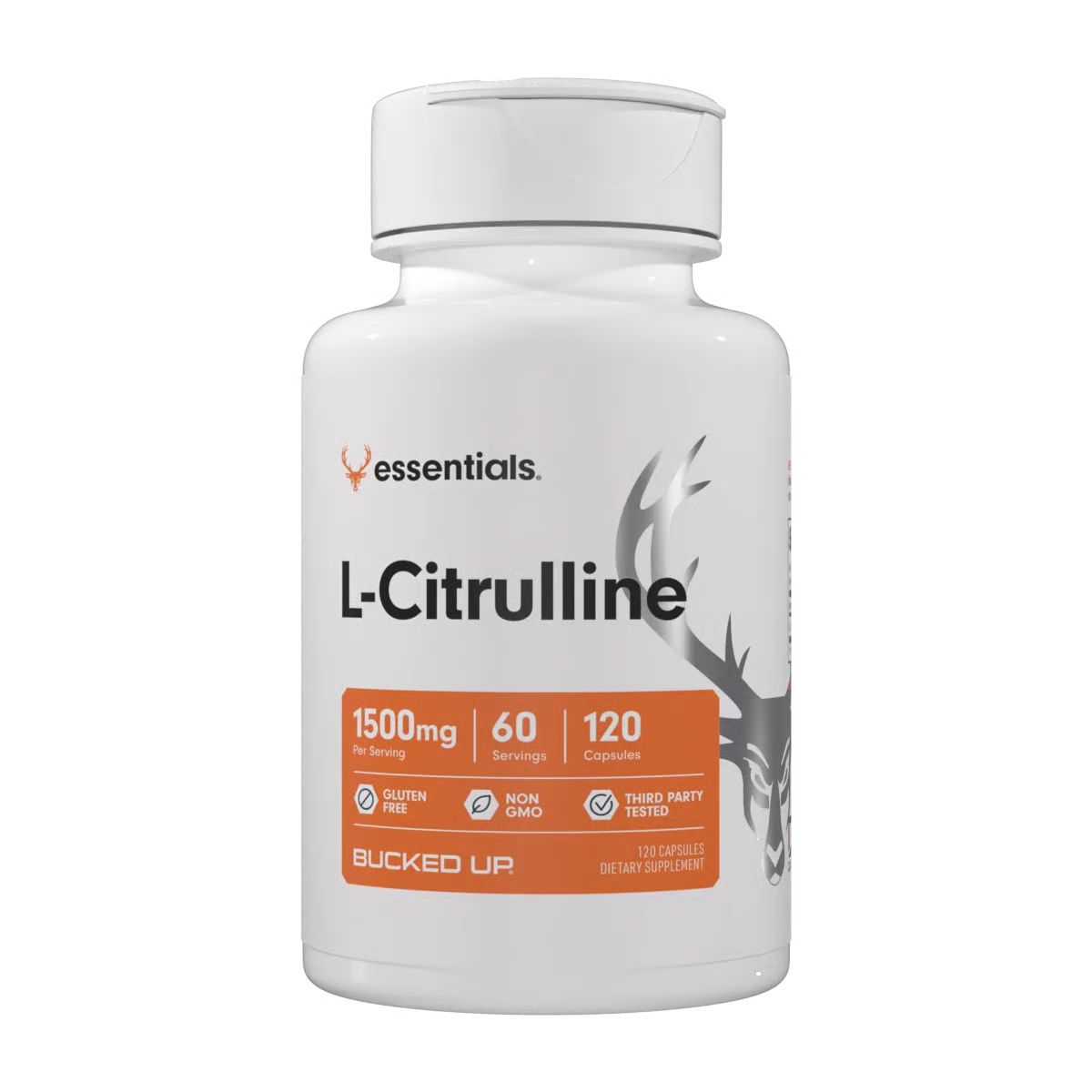
Pure L-citrulline gives you maximum pump support because every gram is active citrulline.1 A 4g serving provides the full dose without dilution from other ingredients. This form bypasses first-pass metabolism in the liver and gut, reaching the kidneys where it converts into L-arginine via argininosuccinate synthase and argininosuccinate lyase. That conversion sustains nitric oxide production through the citrulline–NO cycle.
The nitric oxide pathway starts when higher L-arginine levels support nitric oxide synthase (NOS) enzymes. These enzymes produce nitric oxide, a gaseous signaling molecule that relaxes vascular smooth muscle. This relaxation promotes vasodilation and improves blood flow to working muscles.1 Lifters who care most about pump and visible vascularity often favor pure L-citrulline for this direct nitric oxide support.
Citrulline Malate for Endurance and High Volume Work
Citrulline malate often suits endurance-focused or high-volume training because it works through two main pathways. The malate component acts as an intermediate in the tricarboxylic acid cycle, where malate has been suggested to support oxidative metabolism and ATP production under certain conditions.1 This energy support pairs with citrulline’s role in managing fatigue-related byproducts.
L-citrulline also functions as a key intermediate in the urea cycle, and by upregulating this pathway it accelerates clearance of ammonia generated during muscle exertion, helping maintain acid-base balance, delay muscular fatigue, and support sustained aerobic ATP production.1 Research illustrates this effect in real athletes: post-exercise blood lactate concentrations were significantly lower after 8g citrulline malate than after placebo in highly trained taekwondo athletes.1
For long sessions, repeated sets, or conditioning blocks, citrulline malate’s mix of vasodilation support and energy metabolism contribution can make it a practical choice.
Key Mechanisms Behind Each Form
The main difference between these forms comes from bioavailability and metabolic pathways. L-citrulline avoids the heavy breakdown that L-arginine faces from arginase enzymes in the gut and liver. As noted earlier, this ability to bypass first-pass metabolism gives citrulline an advantage for raising arginine and supporting nitric oxide. Peak plasma concentrations usually appear within about 0.7 to 2 hours after ingestion, which provides a useful window for pre-workout dosing.
Choosing citrulline malate adds malate’s potential contribution to the Krebs cycle. The malate portion may support oxidative ATP production and phosphocreatine recovery, which can help with endurance and fatigue resistance during extended efforts.
Pure L-citrulline keeps things simple. It delivers a high citrulline amount per gram, which makes dose planning straightforward and helps ensure you receive the full intended amount of the active nitric-oxide-supporting compound.
Dosing Equivalency and the 2:1 Ratio
Dose equivalency matters because it helps you avoid underdosing and align your intake with research-backed amounts. L-citrulline malate combines citrulline with malic acid, so the label dose does not equal pure citrulline content.
Standard citrulline malate often uses a 2:1 ratio. In that case, 6g of citrulline malate 2:1 provides about 3.4g of actual L-citrulline. Products labeled “2:1 L-citrulline malate” can still vary in true citrulline content, so checking the supplement facts panel remains essential.
Research supports 6g citrulline malate or 4g pure L-citrulline as effective thresholds, with studies showing benefits from both chronic and acute use. Seven days of 6g per day pure L-citrulline improved exercise tolerance by 12% and total work completed by 7% during severe-intensity cycling compared with placebo.1 Similarly, acute supplementation with 8g citrulline malate (providing about 5.3g L-citrulline plus 2.7g malate) 60 minutes before exercise produced higher Wingate peak power, better post-exercise agility time, and greater countermovement jump height compared with placebo.1
Absorption, Timing, and Stacking
Timing and absorption influence both forms in similar ways. Earlier, we noted that L-citrulline reaches peak plasma levels within roughly 30 to 120 minutes. Because of that window, many athletes take either form 30 to 60 minutes before training.
Absorption support becomes more helpful at higher doses. Ingredients like Astragin® can support bioavailability without pushing doses to uncomfortable levels. Unlike L-arginine or ornithine, supplemental L-citrulline does not typically cause gastrointestinal side effects such as cramping or diarrhea, even at bolus doses up to 15g.1
Stacking strategies differ slightly between forms. Pure L-citrulline pairs well with other nitric oxide supporters such as Nitrosigine® and glycerol for a broad pump-focused stack. Citrulline malate, with its built-in malate, often fits naturally into endurance stacks that include beta-alanine and other fatigue-buffering ingredients.
How Bucked Up Builds Citrulline Formulas
Bucked Up designs citrulline use around specific training goals. Standard pre-workouts like Bucked Up Pre-Workout and Woke AF include 6,000mg citrulline malate 2:1, which delivers a research-aligned amount for both pump and endurance support.1 That 2:1 ratio provides about 3.4g of L-citrulline along with malate for dual-pathway benefits.*
For advanced pump-focused sessions, Mother Bucker takes a different route with 4,000mg pure L-citrulline stacked with Nitrosigine® and Hydroprime® Glycerol. This “Pump Trifecta” targets vasodilation through several biological pathways and supports cellular hydration.*1 Each formula includes Astragin® to support citrulline absorption and bioavailability.*
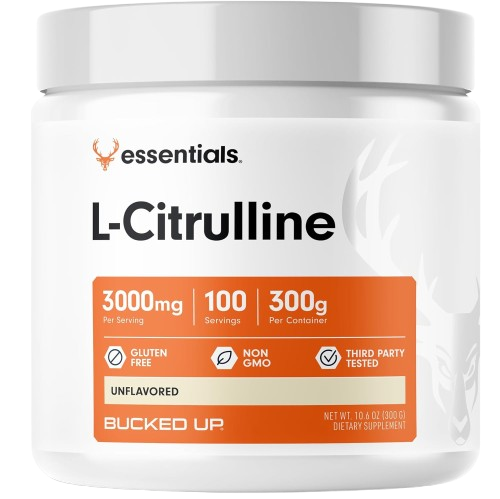
This distinction helps you match your pre-workout to your plan for the day. Endurance or high-volume work often pairs well with citrulline malate, while heavy pump sessions can benefit from pure L-citrulline’s direct nitric oxide support.*
*This statement has not been evaluated by the Food and Drug Administration. This product is not intended to diagnose, treat, cure, or prevent any disease.
Safety Guidelines and Practical Use
Both forms show strong safety profiles in healthy adults. Clinical trials lasting from one week to several months report that daily doses of citrulline up to about 10g per day are generally safe and well tolerated in humans.1 Reported side effects tend to be mild and uncommon:
• Gastrointestinal discomfort such as nausea, bloating, or stomach upset in less than 5% of users
• Occasional headaches related to vasodilatory effects in sensitive individuals
• Heartburn that appears more often with the more acidic malate form
• Rare sweating or respiratory complaints at very high doses above 10g
Precautions matter most for people with cardiovascular considerations. Because citrulline’s vasodilatory effects can lower blood pressure, athletes with already low blood pressure or those using vasodilators should be cautious to avoid additive effects. This same mechanism means anyone with cardiovascular conditions, blood pressure medications, or PDE5 inhibitors should talk with a healthcare provider before using citrulline.
Conclusion: Align Citrulline Form with Your Goal
The choice between citrulline malate and pure L-citrulline mainly reflects your training priorities and how your body responds. Pure L-citrulline at around 4g supports pump through a direct nitric oxide pathway. Citrulline malate at around 6g supports vasodilation and also offers potential endurance benefits through its combined citrulline and malate actions.
Recent research shows that both forms can support performance. At the same time, a 2024 direct comparison study reported that 5.3g citrulline from L-citrulline malate did not improve muscle strength or endurance beyond 5.3g of pure L-citrulline during low-to-moderate volume resistance training. These findings suggest that personal goals and training style may matter more than any inherent advantage of one form over the other.
Pump-focused lifters often favor pure L-citrulline for its higher citrulline content per gram. Athletes who emphasize endurance or high-volume work may lean toward citrulline malate for its additional energy metabolism support. In both cases, effective dosing, timing, and absorption support help you get the most from your chosen form.
Frequently Asked Questions
How much citrulline malate equals pure L-citrulline?
About 6g of citrulline malate 2:1 provides roughly 3.4g of L-citrulline. Citrulline malate combines citrulline with malic acid, so the label dose includes both. Because actual citrulline content can vary, always check the supplement facts panel instead of relying only on front-label claims.
Can I take both citrulline malate and pure L-citrulline together?
Using both forms together is possible, as long as you track total citrulline intake and avoid unnecessary excess. Research supports daily doses up to about 10g of total citrulline as safe and generally well tolerated. Combining forms may give you strong pump support from pure L-citrulline along with endurance support linked to malate. Start with lower combined doses to gauge tolerance, since stacking can slightly increase the chance of mild gastrointestinal effects for sensitive users.
Which form works faster for pre-workout pump?
Both forms reach peak plasma levels within roughly 30 to 120 minutes, so onset timing stays similar. Pure L-citrulline may feel slightly more direct for pump because it delivers only citrulline without malic acid. In practice, the timing difference is usually small when both are taken 30 to 60 minutes before training. Absorption support from ingredients like Astragin® often has more impact on perceived effectiveness than minor timing differences between forms.
Does the malate in citrulline malate actually improve endurance?
Malate’s endurance role appears plausible but modest. As an intermediate in the tricarboxylic acid cycle, malate can support oxidative metabolism and ATP production under certain conditions. Studies show that citrulline malate can reduce post-exercise blood lactate and improve power output in trained athletes. However, systematic reviews report that adding malate to citrulline has not been clearly proven to enhance performance beyond pure L-citrulline. Most endurance benefits likely come from citrulline’s ammonia clearance, with malate providing a possible secondary contribution.
Are there any side effects unique to each form?
Citrulline malate can cause more heartburn or acidity for some users because of its malic acid content. Pure L-citrulline has a more neutral pH and tends to be gentler on digestion. Both forms may cause mild headaches related to vasodilation in a small percentage of users, usually under 5%. Neither form commonly causes the cramping or diarrhea often linked to L-arginine. Overall, both forms show strong safety profiles with minimal side effects at research-supported doses.
1 The content provided in this article is for informational purposes only and is not medical advice. Consult with a medical professional before implementing any changes to your diet, health, or exercise routines.
Individual results will vary and are based on a combination of each individual’s diet, exercise, age, and health circumstances.
These statements have not been evaluated by the Food and Drug Administration. This product is not intended to diagnose, treat, cure or prevent any disease.
This article was written by Ryan Gardner, CEO of Bucked Up. As the maker of Bucked Up Protein Soda, we have a financial interest in this information. The views expressed are our own and should be read with that context in mind.