Last updated: April 22, 2026
Key Takeaways
- L-Citrulline outperforms arginine for nitric oxide support because it bypasses liver metabolism and converts in the kidneys for sustained effects.1
- Research-backed ranges include 6–8g Citrulline Malate for higher rep performance and 3–6g Pure L-Citrulline for endurance and reduced soreness.1
- Nitrosigine at 1.5g can raise nitric oxide levels within 30 minutes and keep them elevated for several hours through stabilized arginine silicate.1
- L-Citrulline appears safe up to 15g daily in healthy adults, though those on blood pressure medications should use caution due to vasodilation.1
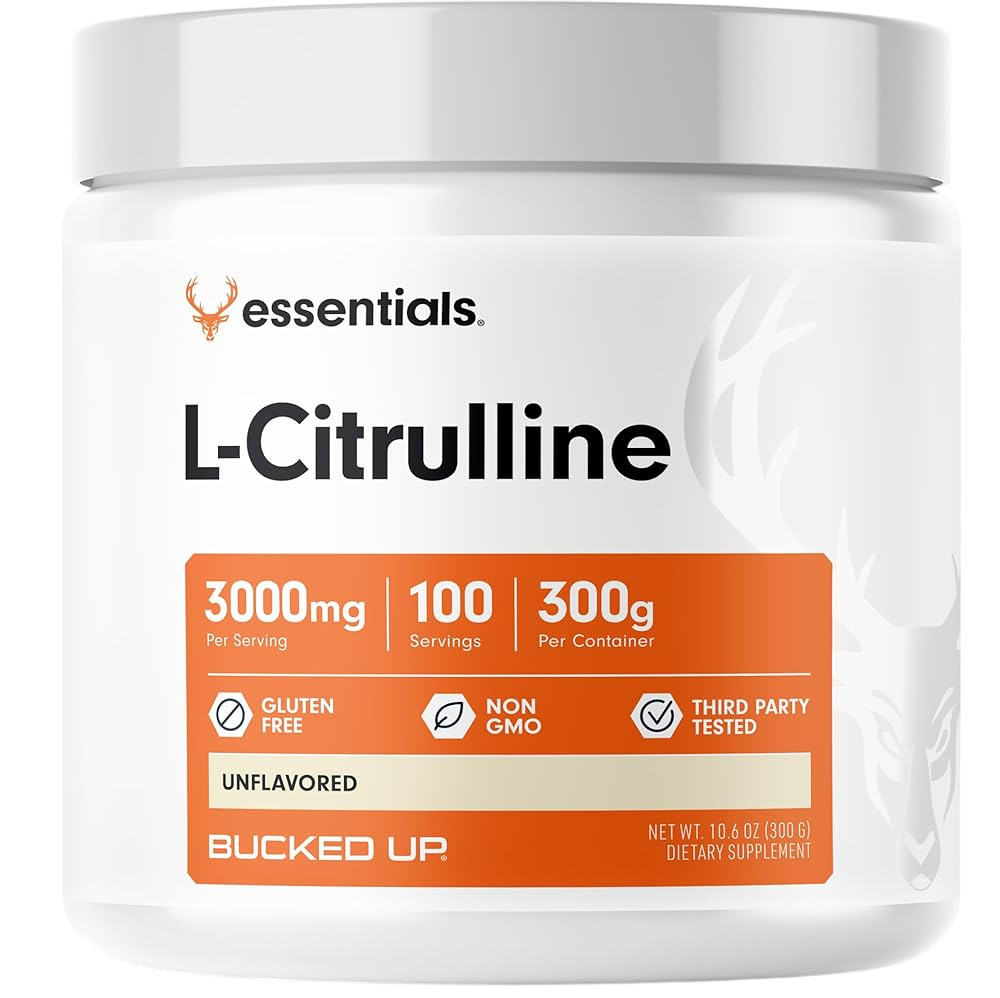
- Choosing Bucked Up L-Citrulline provides research-aligned dosing that can support more productive workouts and performance.1
How Nitric Oxide Precursors Support Performance in Human Studies
Nitric oxide production starts when L-Citrulline enters the bloodstream and travels to the kidneys, where it converts to L-Arginine. This renal conversion elevates plasma arginine levels more effectively than direct arginine supplementation, which supplies sustained substrate for nitric oxide synthase enzymes. The resulting nitric oxide promotes vasodilation, improving oxygen and nutrient delivery to working muscles.1
L-Citrulline also plays a role in ammonia detoxification through the urea cycle, which helps buffer exercise-induced fatigue.1 When paired with malic acid as Citrulline Malate, the malate portion supports the Krebs cycle and ATP production.1 Acute and chronic supplementation can differ, and chronic use of 14 days or longer often appears necessary for consistent vascular benefits.1
Nitrosigine functions as an advanced nitric oxide precursor that raises nitric oxide levels within 30 minutes and sustains elevated levels for several hours.1 This inositol-stabilized arginine silicate complex helps address the rapid metabolism that can limit standard arginine effectiveness. Understanding these mechanisms clarifies why specific ingredient doses matter for real performance changes.
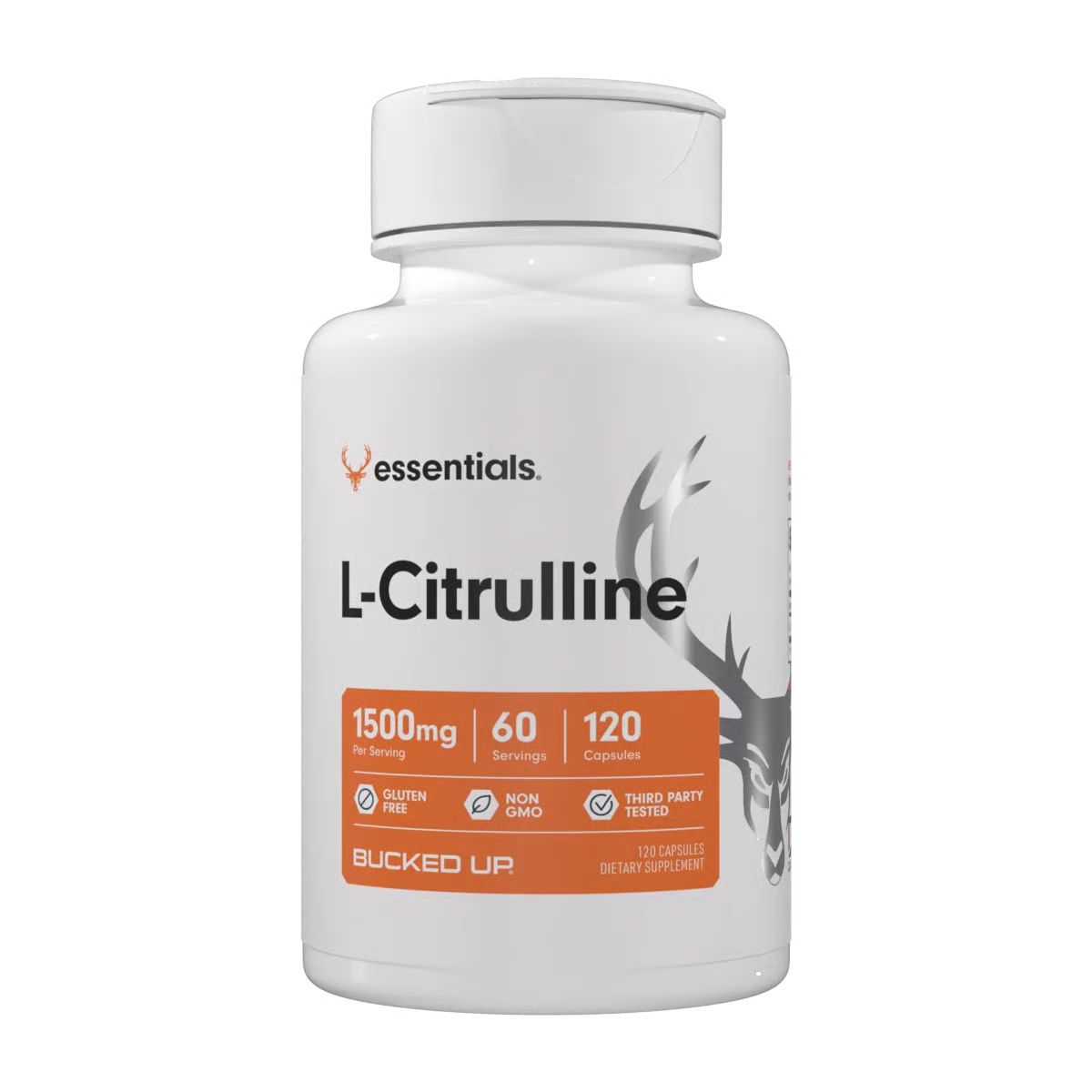
Ready to experience research-backed nitric oxide support? Explore Bucked Up’s L-Citrulline lineup, including Citrulline Malate and Pure L-Citrulline, and find a formula that fits your training goals.
Research-Backed Dosing Benchmarks for Key NO Precursors
Human studies point to clear dosage ranges for nitric oxide precursors when the goal is measurable performance benefits. The matrix below summarizes evidence-based guidelines from peer-reviewed research on exercise performance and vascular function.
| Ingredient | Effective Dose | Key Benefits from Studies | Research Source |
|---|---|---|---|
| L-Citrulline Malate | 6–8g | 53% increase in repetitions to failure | PMID: 20386132 |
| Pure L-Citrulline | 3–6g | Can support improved time-to-exhaustion and reduced muscle soreness1 | Peer-reviewed research |
| Nitrosigine | 1.5g | 31% increase in flow-mediated dilation1 | Rogers et al., 2020 |
| Nitrates | 200–1000mg | Enhanced rate of force development | PMC: 12986568 |
L-Citrulline has been studied for muscular endurance in resistance training, with many benefits appearing in the 6–8g range for Citrulline Malate.1 In a typical 2:1 Citrulline Malate supplement, 6g of Citrulline Malate provides roughly 3.4g of pure L-Citrulline.
L-Citrulline Pre-Workout Dosing in Recent Studies
Recent research shows mixed findings on the acute performance impact of L-Citrulline. For example, acute citrulline malate supplementation did not improve 1-km time trial performance in trained female kayak paddlers. Other work on L-Citrulline Malate before cycling reports varied outcomes for time-to-exhaustion and post-exercise muscle soreness.
Differences in exercise type, training status, and individual response likely contribute to these inconsistent results. Still, a 2020 meta-analysis of 13 studies found L-Citrulline or Citrulline Malate significantly reduced post-exercise RPE and muscle soreness at 24 and 48 hours, suggesting meaningful recovery benefits.1
Bucked Up Pre-Workouts That Align with the Research
Bucked Up designs pre-workouts around published research dosages instead of minimal label claims. The flagship Bucked Up Pre-Workout includes 6,000mg Citrulline Malate (2:1), matching the dosage that delivered the 53% rep increase noted earlier.1 This 2:1 ratio supplies L-Citrulline for vasodilation while malic acid supports energy production through the Krebs cycle.1
For more experienced athletes, Mother Bucker provides 4,000mg Pure L-Citrulline plus Nitrosigine (dose unspecified), which creates multiple nitric oxide pathways. The Pure L-Citrulline feeds arginine conversion, and Nitrosigine supports rapid, sustained nitric oxide elevation.1 Studies show Nitrosigine increases plasma arginine by over 70% compared to arginine hydrochloride, so this pairing can appeal to users seeking a more advanced pump and performance profile.1
All Bucked Up formulations include Astragin to support absorption.1 Studies indicate that AstraGin with arginine can increase arginine bioavailability and urinary nitrate levels, which helps the body make better use of the L-Citrulline content.1
Want to compare formulas to the research? See how Bucked Up’s L-Citrulline products line up with the dosing ranges highlighted in the studies above.
Nitric Oxide Pre-Workout Side Effects in the Research
Research reports no adverse events from oral L-Citrulline supplementation at doses up to 15g in healthy adults.1 At the same time, higher doses can cause stomach upset and may lower blood pressure1, and very high single doses such as 10g or more can increase the chance of gastrointestinal discomfort.
People using antihypertensive medications should be cautious, because L-Citrulline promotes vasodilation via nitric oxide and may enhance the effects of blood pressure medications.1 In addition, L-Citrulline supplementation is contraindicated with prescription phosphodiesterase type 5 (PDE5) inhibitors or nitrate-based medications due to the risk of sudden, severe hypotension.
Most healthy adults who lift weights or train regularly can use L-Citrulline at research-backed doses with minimal risk when they follow label directions and consider medical conditions.
How to Use and Stack NO Precursors in 2026 Workouts
Most people see the best results when they take nitric oxide precursors 45–60 minutes before training, which allows time for absorption and conversion. Combining 3 grams of L-arginine with 3 grams of L-Citrulline tends to outperform either alone1, because this pairing supplies both direct substrate and sustained plasma arginine elevation.
Beginners can start with the standard Bucked Up Pre-Workout that contains 6g Citrulline Malate for a straightforward introduction to research-backed nitric oxide support. Once you understand your response and tolerance to this level of NO support, you can consider Mother Bucker’s multi-pathway approach with Pure L-Citrulline, Nitrosigine, and HydroPrime Glycerol for more intense pumps and cellular hydration.
When you compare pre-workout options, look for products that list exact ingredient amounts and use dosages supported by human performance studies. Transparent labels help you avoid proprietary blends that may hide lower-than-expected ingredient levels.
Ready to dial in your pre-workout stack? Start with Bucked Up’s evidence-based L-Citrulline products and build a routine that matches your training style.
Frequently Asked Questions
Is nitric oxide safe in pre-workout supplements?
Nitric oxide precursors such as L-Citrulline appear generally safe for healthy adults at research-backed doses. Studies report no adverse events from L-Citrulline supplementation up to 15g daily in healthy populations.1 The most common side effects involve mild gastrointestinal discomfort at very high doses. People taking blood pressure medications or those with cardiovascular conditions should talk with a healthcare provider before use.
Is 10,000mg of L-Citrulline too much?
Research suggests L-Citrulline is usually well-tolerated up to 15g daily, but doses above 6–8g can raise the risk of gastrointestinal side effects without clear extra performance benefits.1 Many studies that show exercise improvements use 6–8g of Citrulline Malate or 3–6g of Pure L-Citrulline. Higher doses often are unnecessary and may cause stomach upset in sensitive users.
What’s better, creatine or nitric oxide precursors?
Creatine and nitric oxide precursors support different aspects of performance. Creatine mainly helps power and strength through the phosphocreatine system. Nitric oxide precursors focus more on endurance and muscle pump by improving oxygen and nutrient delivery. Many athletes combine both supplements because they act through separate physiological pathways.
What are the side effects of nitric oxide pre-workout supplements?
The most common side effects of nitric oxide precursors include mild bloating, stomach upset, and diarrhea, especially at doses above 6g daily.1 Some people notice headaches related to vasodilation. Less common effects include a flushed feeling or dizziness. These supplements can also lower blood pressure, which may be an issue for people with hypotension or those using blood pressure medications.1
How long does it take for L-Citrulline to work?
L-Citrulline usually reaches peak plasma levels within about 0.7 to 2 hours after ingestion. For acute workout support, taking L-Citrulline 45–60 minutes before training gives time for absorption and conversion to arginine. Some research indicates that 14 days or more of consistent use may be needed for full vascular benefits, since single doses show mixed results for nitric oxide production.
Conclusion: Use Research-Guided Formulas for NO Support
Effective nitric oxide supplementation depends on precise dosing that reflects human performance research. Evidence points to 6–8g Citrulline Malate, 3–6g Pure L-Citrulline, and 1.5g Nitrosigine as reliable thresholds for meaningful exercise benefits.1 Bucked Up formulations align with these ranges and use transparent labeling plus absorption-supporting ingredients such as Astragin.
Choose pre-workout products that clearly match published research instead of relying on proprietary blends with undisclosed amounts. Explore Bucked Up’s science-backed Citrulline Malate and Pure L-Citrulline options and select a formula that supports your performance goals.
1 The content provided in this article is for informational purposes only and is not medical advice. Consult with a medical professional before implementing any changes to your diet, health, or exercise routines.
Individual results will vary and are based on a combination of each individual’s diet, exercise, age, and health circumstances.
These statements have not been evaluated by the Food and Drug Administration. This product is not intended to diagnose, treat, cure or prevent any disease.
This article was written by Ryan Gardner, CEO of Bucked Up. As the maker of Bucked Up Protein Soda, we have a financial interest in this information. The views expressed are our own and should be read with that context in mind.