Key Takeaways for EAAs and L-Citrulline
-
Many athletes hit daily protein targets yet still plateau because they miss precise delivery of all nine essential amino acids at the right dose and timing.
-
Branched-chain amino acids alone are not enough. All nine EAAs must be present to fully support muscle protein synthesis, with leucine acting as the primary signal.
-
Effective EAA timing usually falls 15–30 minutes pre-workout or immediately post-workout to support muscle protein synthesis, manage fatigue, and speed recovery.
-
Choosing a transparently labeled product with disclosed grams per serving helps you confirm leucine thresholds of 2.5–3 g and stack confidently with L-Citrulline.
-
Stacking EAAs with L-Citrulline can support blood flow and ammonia clearance.1 Shop Bucked Up L-Citrulline to complete your performance protocol.
Why Precise EAA Intake Impacts Results
The EAA versus BCAA confusion costs real training progress. Branched-chain amino acids (leucine, isoleucine, and valine) are three of the nine EAAs. Supplementing only BCAAs provides the signaling trigger for muscle protein synthesis but not the full pool of building blocks required to actually build muscle tissue. All nine essential amino acids must be present to trigger muscle protein synthesis; isolated BCAAs alone are insufficient and may decrease MPS, because leucine acts only as the signaling switch while the remaining EAAs serve as the necessary substrates for protein assembly (Wolfe, 2017).
Leucine is the primary mTORC1 trigger. Sufficient leucine can help activate the mTORC1 pathway for muscle protein synthesis. Without the other eight EAAs present alongside it, that signal fires but the construction crew never shows up. This protocol targets regular trainees who already consume adequate total protein and want to close the gap between signaling and actual synthesis. L-Citrulline, a non-essential amino acid produced naturally in the body, plays a different role. It supports ammonia clearance* and helps create a better environment for EAA delivery.1
Stage 1: Set Your Daily Protein Baseline
Before adding EAA supplements, confirm that total dietary protein is sufficient. Athletes in active training phases generally require higher protein intakes than sedentary individuals to support muscle protein synthesis and recovery*. A common starting point for intermediate lifters is 0.7 to 1.0 grams of protein per pound of body weight per day, with experienced athletes often working at the higher end of that range. A 180 lb lifter, for example, would target 126 to 180 grams of protein daily from whole food and supplemental sources combined.
EAA supplements are most effective when dietary protein is not already meeting needs around training, especially when recent protein intake before training has been limited. This reality is why beginners should first establish a consistent whole-food protein baseline and then look for gaps. Once that baseline is solid, experienced users can use EAA supplementation strategically to fill those specific training-window gaps without relying on EAAs as a primary protein source. Always consult a healthcare provider before significantly changing supplementation protocols, particularly if underlying health conditions are present.
Stage 2: Time EAAs for Muscle Growth
Timing forms stage two of the protocol and directly affects results. Consuming EAAs 15 to 30 minutes before training supplies readily available amino acids that may support muscles and reduce fatigue during the workout, while taking EAAs immediately after training supports muscle protein synthesis during the post-exercise period and supports repair and recovery.1
Taking EAAs before resistance exercise supports net muscle protein balance, and consumption does not blunt the anabolic response to a subsequent mixed meal (Tipton, 1999; Paddon-Jones, 2005).1 Pre-workout EAA intake therefore works alongside, not against, a post-workout meal. For endurance athletes, the pre-training window carries extra weight because sustained aerobic work accelerates amino acid oxidation and ammonia accumulation. Beginners can start with a single serving pre-workout. Experienced athletes may benefit from splitting intake across both pre- and post-training windows.
EAA Dosage for Performance and Recovery
Stage three focuses on choosing a product with transparent labeling and a dose that matches the research. Proprietary blends that hide individual ingredient amounts make it impossible to verify whether leucine thresholds are met. Look for products that disclose gram amounts per serving for every EAA so you can confirm dosing.
Even relatively small doses of EAAs can support muscle protein synthesis. The practical protocol for most intermediate athletes usually falls between low experimental doses and very high research doses. Free-form essential amino acids are already fully broken down and require virtually zero digestion, producing a rapid plasma amino acid spike within 15 to 30 minutes when taken on an empty stomach, unlike intact proteins such as whey that demand significant digestive effort. Beginners should start at the lower end of the dose range and assess tolerance. Experienced users can move toward the higher end based on training volume and recovery demands.
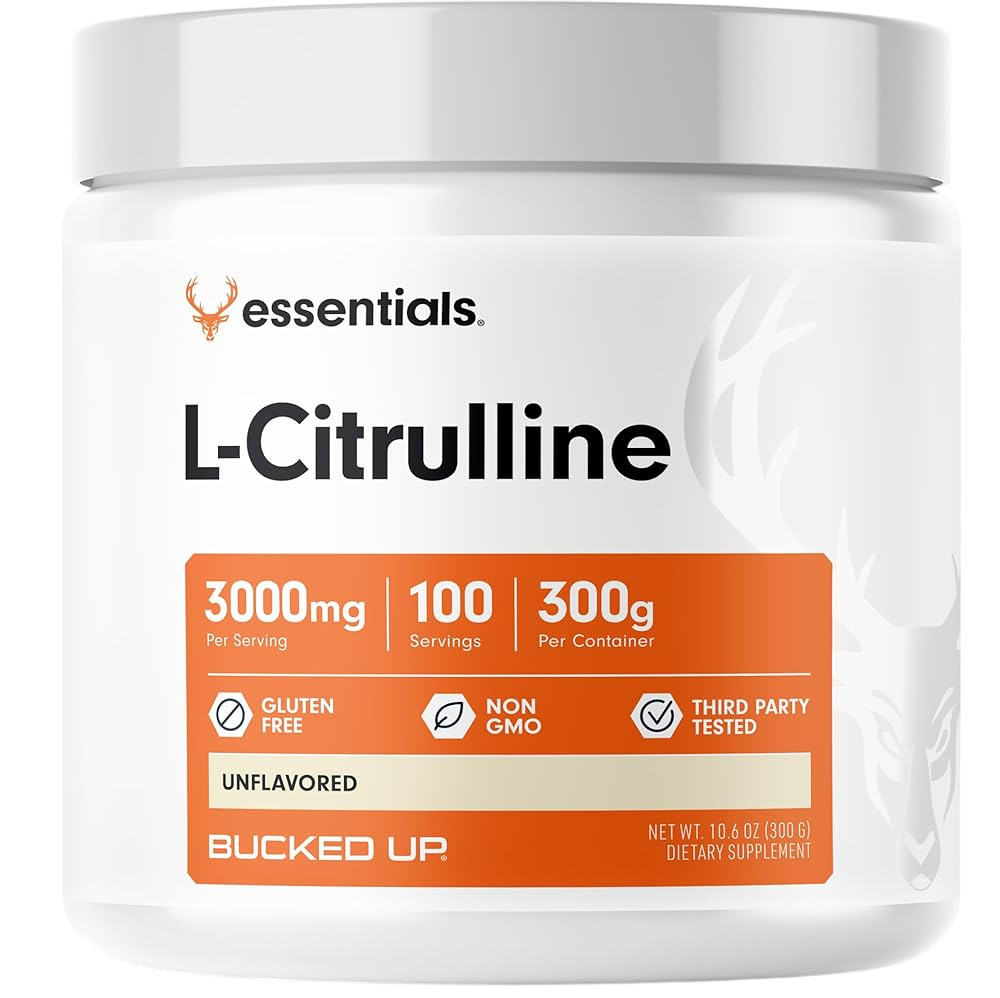
Bucked Up promotes a science-backed approach to ingredient dosing, including Citrulline Malate and pure L-Citrulline. Bucked Up’s L-Citrulline Powder provides transparent dosing to support your protocol — shop L-Citrulline here.
Stage 4: Stack EAAs with L-Citrulline
Once you have established your EAA dose and confirmed leucine thresholds, the next step is addressing metabolic byproducts that build up during training. Ammonia accumulation can limit how effectively those EAAs support performance, especially during hard or high-volume sessions.
L-Citrulline is a key intermediate in the urea cycle, the process that converts ammonia, a byproduct of amino acid breakdown and intense exercise, into urea for excretion. As an intermediate in the urea cycle, L-Citrulline participates in ammonia detoxification by facilitating conversion of toxic ammonia into non-toxic urea for renal excretion, which may help support a reduction in exercise-induced fatigue*.1
L-Citrulline supplementation supports nitric oxide production by raising plasma L-Arginine levels more effectively than oral L-Arginine itself, because it bypasses intestinal and hepatic arginase degradation, thereby supporting blood flow and oxygen delivery during exercise*.1 Better nutrient delivery means the EAAs consumed around training can reach working muscle tissue more efficiently.
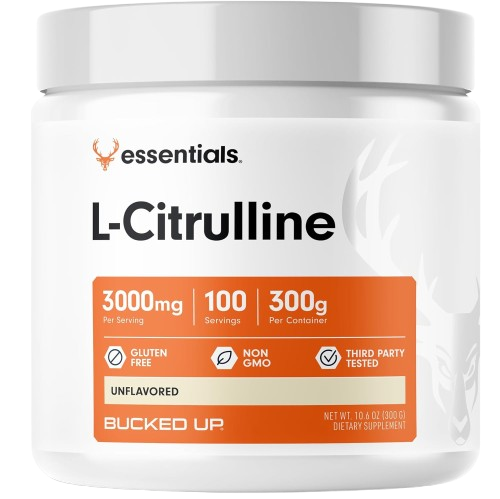
For performance support, 6–8 grams of pure L-Citrulline taken approximately 60 minutes before training represents an evidence-based range. Experienced athletes running higher-volume programs may consider higher doses of citrulline malate or pure L-Citrulline within researched limits. L-Citrulline supplementation can support exercise tolerance and performance.1 Bucked Up’s L-Citrulline Powder (300g) discloses 3,000 mg of pure L-Citrulline per scoop with no hidden blends, making it easy to scale your dose to the 6–8 gram evidence-based range. Always consult a healthcare provider before adding new supplements, particularly if you take blood pressure medications, nitrate medications, or PDE5 inhibitors.
Key Considerations for Your EAA and L-Citrulline Plan
Several variables determine whether an EAA and L-Citrulline protocol delivers results. Training goal matters. Hypertrophy-focused athletes prioritize leucine thresholds and peri-workout timing, while endurance athletes may benefit more from intra-workout EAA intake and consistent L-Citrulline use across multiple days. This timing consideration becomes especially important for fasted training, where free-form EAAs absorb faster than whole protein sources and can supply amino acids within a narrow pre-workout window.
When applying any timing strategy, verify serving size against the label in grams, not just scoops, because scoop sizes vary widely across products. Tolerance to higher EAA doses varies individually, and gastrointestinal discomfort at high single doses can occur, so splitting servings often helps. Consistency across weeks matters more than any single perfect dose. Track sessions in a training log to spot patterns in performance and recovery as you adjust the protocol.
Troubleshooting Common EAA and L-Citrulline Issues
The most common protocol failure is insufficient leucine per dose. If a product does not disclose individual EAA amounts, you cannot confirm the 2.5 to 3 gram leucine threshold. Switching to a product with full label disclosure solves that problem. Inconsistent timing forms the second common issue. Taking EAAs sporadically across different windows makes it hard to assess what actually works, so establish a consistent window, pre-workout or post-workout, for at least two to four weeks before adjusting.
Unrealistic expectations create the third issue. Muscle protein synthesis adaptations accumulate over weeks, not single sessions. Adjust one variable at a time, such as dose, timing, or form, instead of changing everything at once. If digestive discomfort appears with higher EAA doses, reduce the serving size and consult a healthcare provider before continuing.
How to Measure Progress from Your Protocol
Objective markers provide a more reliable gauge than subjective feel when evaluating protocol effectiveness. Track total reps completed per session at a given weight, session RPE (rate of perceived exertion) at equivalent loads, and next-day soreness on a consistent 1 to 10 scale. EAA supplementation can support a reduction in the severity of muscle soreness and help preserve muscle strength after strenuous exercise (Jackman et al., 2010).1
Noticeable differences in recovery markers and training volume typically emerge within two to four weeks of consistent use at appropriate doses. If no change appears after four weeks, reassess leucine content per dose and timing consistency before deciding the protocol does not work for you.
Advanced EAA and L-Citrulline Strategies
Experienced athletes who have established a consistent baseline protocol may benefit from splitting EAA doses across pre- and post-workout windows. This approach helps maintain elevated plasma amino acid levels throughout the training session and the early recovery period. Combining a pre-workout EAA dose with a Citrulline Malate (2:1) source addresses both muscle protein synthesis substrate availability and ammonia clearance support* at the same time.1
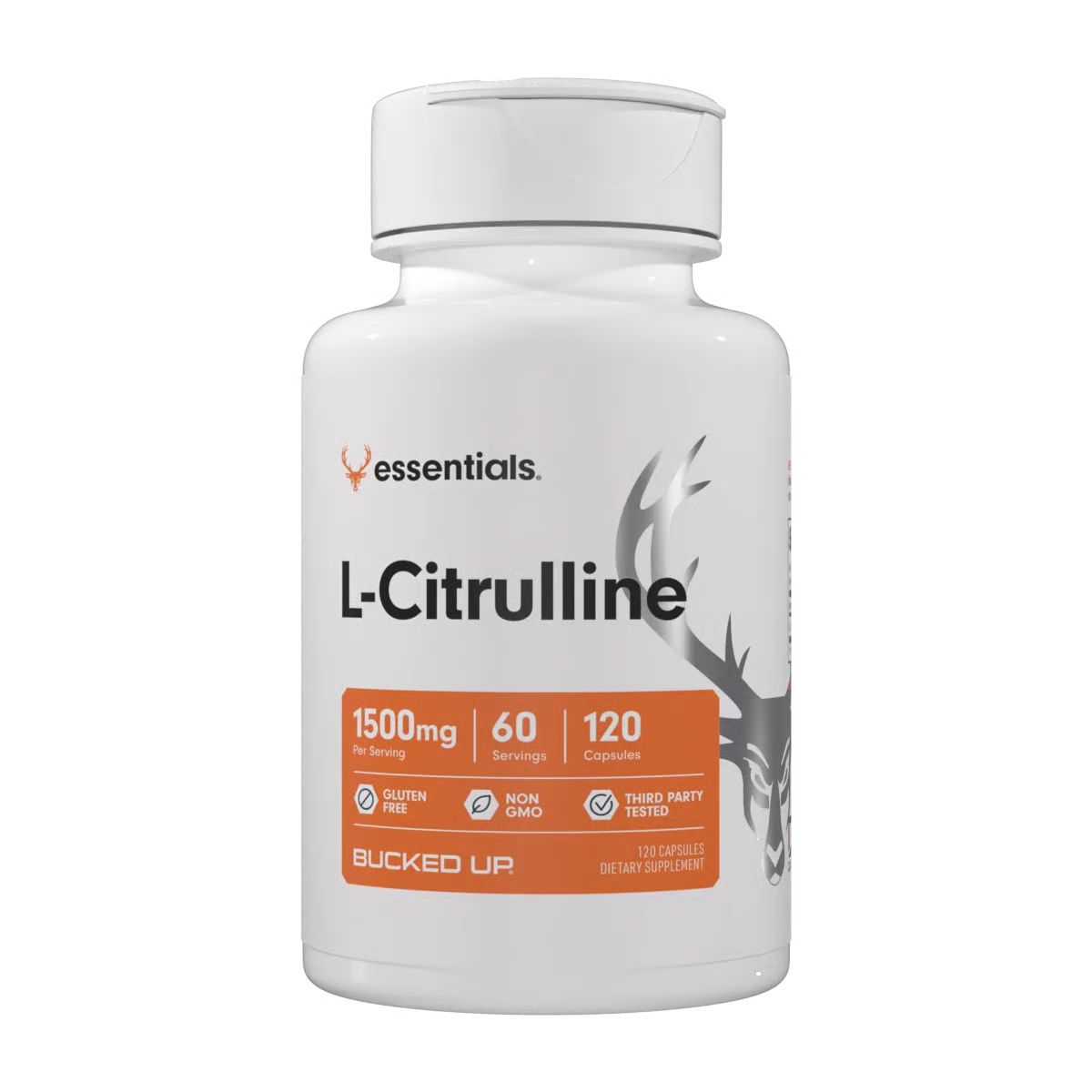
Athletes running very high training volumes, such as two-a-day sessions or competition prep phases, may also consider adding a second daily L-Citrulline serving outside the training window. This approach can align with the 3 to 6 gram daily dose range studied for cardiovascular function support in healthy adults*.1 Bucked Up’s unflavored L-Citrulline Powder mixes into any beverage, which makes split-dose protocols practical without adding unwanted flavoring to meals.
Bucked Up promotes a science-backed approach to ingredient dosing, including Citrulline Malate and pure L-Citrulline. Explore Bucked Up L-Citrulline options to support your advanced protocol.
Frequently Asked Questions
What is the difference between EAAs and BCAAs?
BCAAs, or branched-chain amino acids, are three of the nine essential amino acids: leucine, isoleucine, and valine. EAAs include all nine amino acids the body cannot synthesize on its own. Leucine from BCAAs can signal the mTORC1 pathway to initiate muscle protein synthesis, but without the remaining six EAAs present as building blocks, the actual assembly of new muscle protein remains limited. EAA supplements provide the complete substrate pool that BCAAs alone do not.
How much leucine do I need per EAA serving to support muscle protein synthesis?
Research points to approximately 2.5 to 3 grams of leucine per dose as the threshold for activating the mTORC1 pathway associated with muscle protein synthesis. When evaluating an EAA product, check the label for the disclosed leucine amount per serving rather than relying on total EAA grams alone. A product listing only a total EAA figure without individual amino acid breakdowns makes it impossible to verify whether this threshold is met.
Is it safe to take EAAs and L-Citrulline together?
Both EAAs and L-Citrulline are generally well tolerated at doses used in performance research. L-Citrulline often has a milder gastrointestinal side-effect profile than L-Arginine. Very high single doses of either compound, such as above 10 grams of L-Citrulline or very large EAA servings, may cause gastrointestinal discomfort in some individuals. Anyone taking blood pressure medications, nitrate medications, or PDE5 inhibitors should consult a healthcare provider before adding L-Citrulline, because additive vasodilatory effects are possible. Pregnant or breastfeeding individuals should also consult a healthcare provider before use.
When is the best time to take EAAs for muscle growth?
The most consistently supported timing window is 15 to 30 minutes before training or immediately after training. Pre-workout intake supplies amino acids during the session when muscle protein breakdown is elevated, and research indicates this approach does not blunt the anabolic response to a post-workout meal. Post-workout intake supports the repair and synthesis processes that follow resistance training. Athletes who train in a fasted state or more than two hours after their last protein-containing meal often see the most benefit from pre-workout EAA supplementation.
Do I need EAA supplements if I already hit my daily protein target?
Athletes who consistently consume adequate total protein, roughly 0.7 to 1.0 grams per pound of body weight daily from high-quality whole food sources, usually use EAA supplements as a targeted peri-workout tool rather than a daily staple. The practical case for EAA supplementation grows stronger when training sessions occur in a fasted state, when meal timing makes pre-workout protein intake difficult, or when training volume is high enough that recovery between sessions becomes the limiting factor. Consult a healthcare provider or registered dietitian to decide whether supplemental EAAs fit your specific training demands and dietary pattern.
Conclusion: Putting the Four Stages into Practice
The protocol is straightforward. Establish your protein baseline, time your EAA intake strategically, verify leucine content on the label, and stack with L-Citrulline for additional ammonia clearance and blood flow support*.1 Bucked Up discloses every gram on the label and uses science-backed doses, which helps you implement each stage with confidence.
Start with Bucked Up L-Citrulline to complete your four-stage protocol.
Disclaimer
*These statements have not been evaluated by the Food and Drug Administration. This product is not intended to diagnose, treat, cure, or prevent any disease.
References
Wolfe, R. R. (2017). Branched-chain amino acids and muscle protein synthesis in humans: Myth or reality? Journal of the International Society of Sports Nutrition, 14, 30. https://jissn.biomedcentral.com/articles/10.1186/s12970-017-0184-9
Bailey, S. J., Blackwell, J. R., Lord, T., Vanhatalo, A., Winyard, P. G., & Jones, A. M. (2015). L-citrulline supplementation improves O2 uptake kinetics and high-intensity exercise performance in humans. Journal of Applied Physiology, 119(4), 385–395. https://journals.physiology.org/doi/10.1152/japplphysiol.00192.2014
1 The content provided in this article is for informational purposes only and is not medical advice. Consult with a medical professional before implementing any changes to your diet, health, or exercise routines. Individual results will vary and are based on a combination of each individual’s diet, exercise, age, and health circumstances. These statements have not been evaluated by the Food and Drug Administration. This product is not intended to diagnose, treat, cure or prevent any disease.
This article was written by Ryan Gardner, CEO of Bucked Up. As the maker of Bucked Up Protein Soda, we have a financial interest in this information. The views expressed are our own and should be read with that context in mind.