Key Takeaways
- Clinical performance benefits appear at 6–8 g of citrulline malate in a 2:1 ratio for nitric oxide, pumps, and endurance.
- Take 6–8 g of citrulline malate 30–60 minutes before training on an empty stomach for strong absorption and performance.
- The malate portion supports ATP production through the Krebs cycle and makes citrulline malate about 15–20% more effective than pure L-citrulline for endurance.
- Avoid underdosed proprietary blends and choose products with clear labels that list exact 2:1 ratios and absorption enhancers.
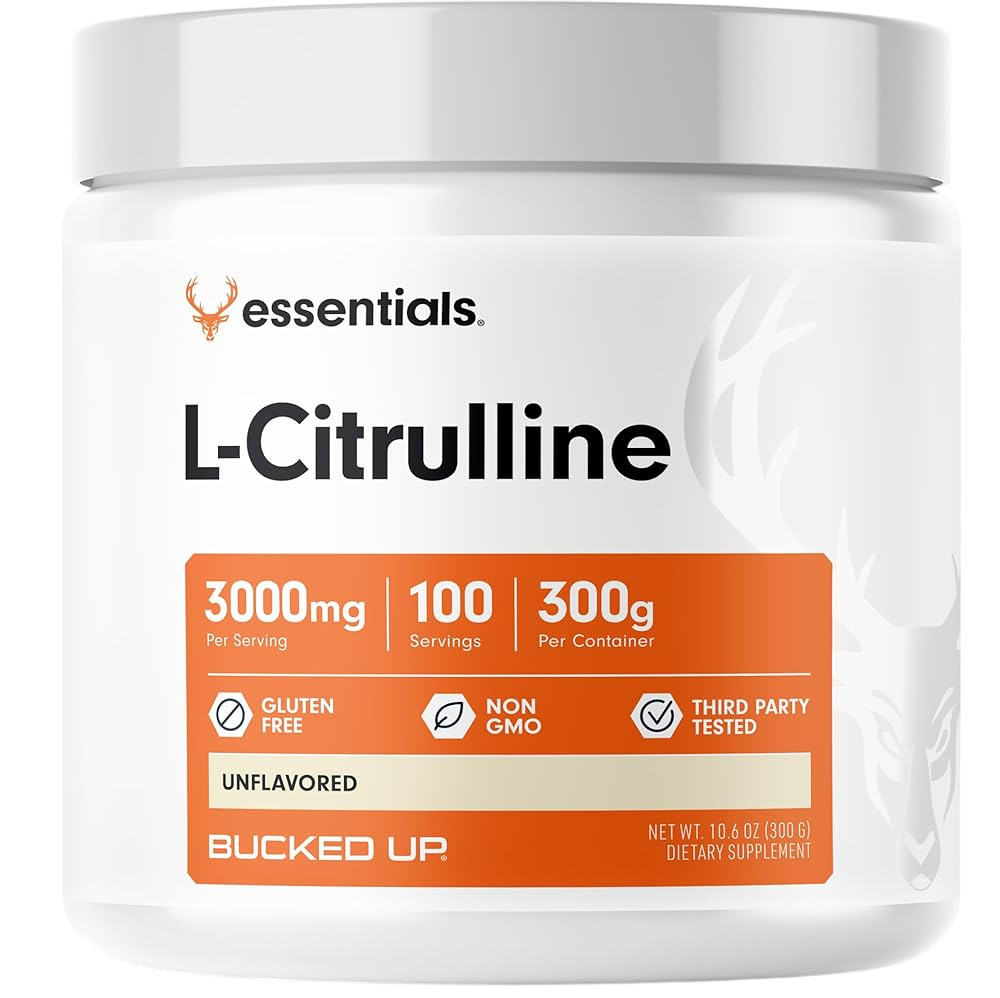
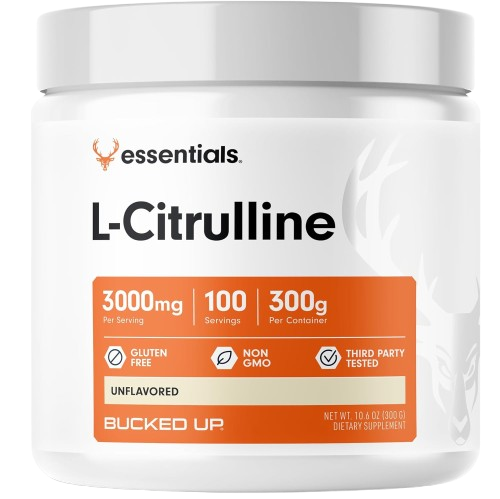
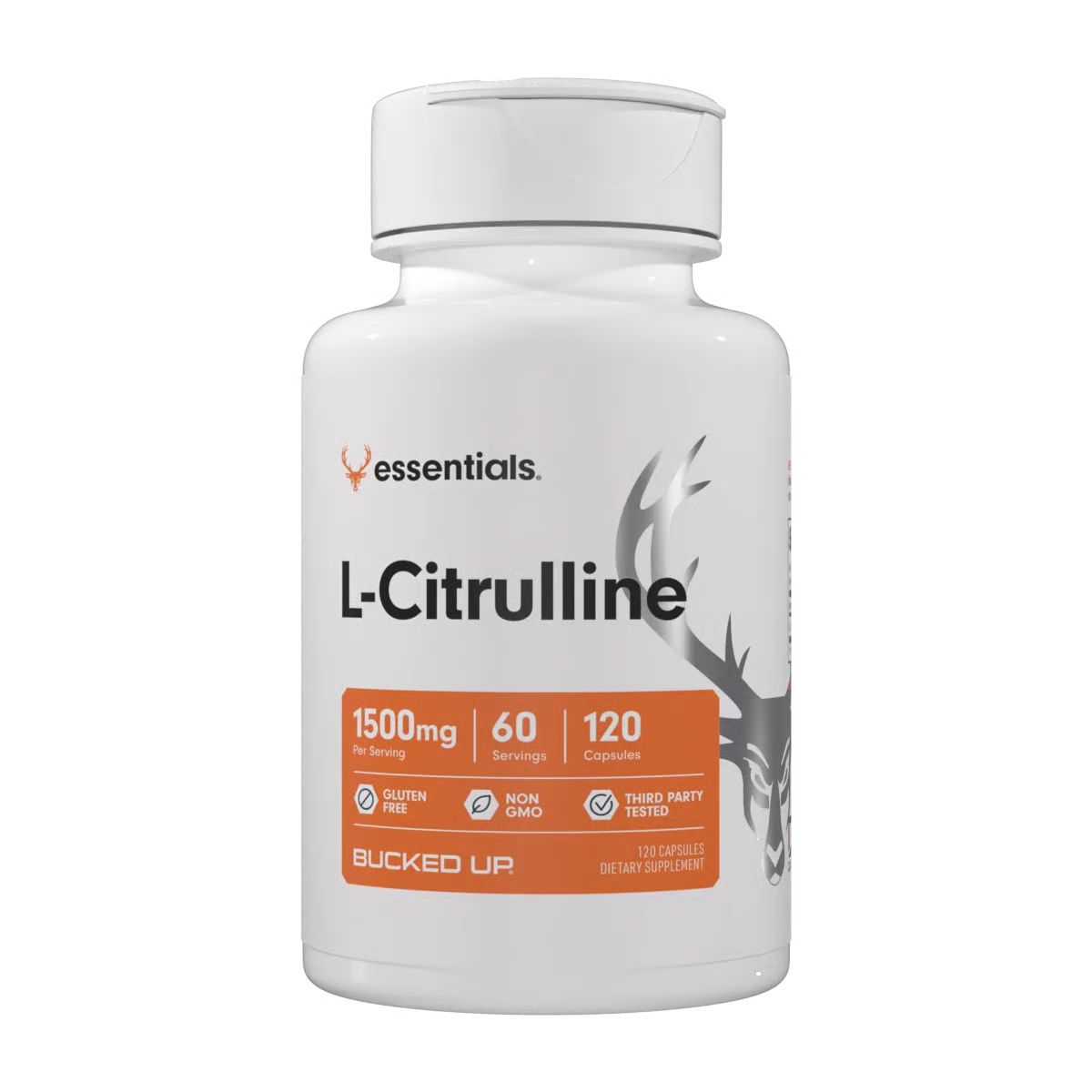
- Use Bucked Up’s pure L-Citrulline for precise dosing control and consistent performance results.
How Citrulline Malate Fits Into Your Training Plan
Citrulline malate works best when you follow specific, consistent dosing habits. Most research supports 6–8 g of 2:1 citrulline malate taken 30–60 minutes before exercise for nitric oxide production, muscle pumps, and better endurance. This guide walks through how it works, how much to take, when to take it, and how to use it safely. It also explains how Bucked Up promotes clinical dosing of science-backed ingredients, including Citrulline Malate and Pure L-Citrulline, so you can choose the right L-Citrulline option for peak performance.
Citrulline Malate’s Role In Today’s Pre-Workout Market
Citrulline malate now leads the nitric oxide category for muscle pumps and endurance support. Many pre-workouts still include only 1–2 g, often buried in proprietary blends that never reach the 6–8 g clinical range. This pattern leaves athletes short of the doses used in research. As a result, more lifters and endurance athletes now look for transparent formulas that clearly list a 2:1 citrulline-to-malate ratio at full clinical strength. Newer products also pair citrulline with absorption aids like Astragin® and nitric oxide partners such as Nitrosigine®.
How Citrulline Malate Works Inside Your Body
Citrulline malate combines L-citrulline with malic acid in a 2:1 ratio to support nitric oxide through several steps. L-citrulline bypasses the liver and converts to L-arginine in the kidneys, which improves bioavailability compared with taking arginine directly. The malate portion feeds into the Krebs cycle, which supports ATP production and helps limit exercise-related ammonia buildup. Peak plasma arginine levels correlate with performance gains (r=0.68, p<0.01), supporting the 6–8 g threshold for nitric oxide-related endurance benefits. The 2:1 malate ratio is critical for ATP recycling and requires about 5.3 g of pure citrulline to match the efficacy of 8 g of citrulline malate. These combined effects explain why citrulline malate often outperforms pure L-citrulline for endurance work.
Who Benefits Most From Citrulline Malate
Citrulline malate supports several training styles, but the dose shifts by goal. Bodybuilders and strength athletes usually see strong pumps and higher training volume with 6–8 g before lifting. Endurance athletes often use 3–6 g daily to support blood flow, oxygen delivery, and fatigue resistance. CrossFit and high-intensity interval athletes tend to respond well to 8 g before sessions for power output and recovery. Recreational lifters usually start at 6 g to test tolerance while still chasing pump benefits. All of these groups benefit from formulas that list exact ingredient amounts instead of hiding behind proprietary blends.
Practical Dosing, Forms, And Stacks
Citrulline malate dosing works best when you understand ratios, timing, and stacking basics. Use the following evidence-based guidelines as a quick reference.
|
Training Goal |
Dose |
Timing |
Study Reference |
|
Strength/Hypertrophy |
6–8 g Citrulline Malate |
30–60 min pre-workout |
Perez-Guisado 2010 |
|
Endurance Performance |
8 g Citrulline Malate |
60 min pre-exercise |
2025 Cycling Trial |
|
Daily Cardiovascular |
3–6 g Pure L-Citrulline |
Divided doses |
BP Meta-analysis |
|
High-Intensity Intervals |
8 g Citrulline Malate |
Pre-workout |
CrossFit 2025 Study |
|
Citrulline Malate Dose |
L-Citrulline Equivalent |
Malate Content |
|
|
6 g |
~4 g |
~2 g |
|
|
8 g |
~5.3 g |
~2.7 g |
|
|
10 g |
~6.7 g |
~3.3 g |
Dose-response analysis shows that strength gains level off around an 8 g single dose, and the 2:1 citrulline:malate ratio is 15–20% more effective than pure L-citrulline. Many advanced stacks pair citrulline malate with Astragin® to support absorption and Nitrosigine® to boost nitric oxide through a complementary pathway. Bucked Up promotes clinical dosing of science-backed ingredients, including Citrulline Malate and Pure L-Citrulline, so you can select the L-Citrulline option that best supports your performance goals with precise combinations.
Step-By-Step Guide To Using Citrulline Malate
Start by checking your product label for actual citrulline content, not just total citrulline malate weight. Many labels list the combined weight of citrulline and malate, which can mislead dosing. Begin with 6 g to gauge how your body responds, then move toward 8 g if you tolerate it well and want maximum benefit. Take your dose 30–60 minutes before training on an empty stomach to support absorption. Track changes in training volume, pump intensity, and recovery over several weeks. Choose products with clear 2:1 ratio labeling and absorption enhancers, and keep your timing and dose consistent across training blocks.
Common Citrulline Malate Mistakes To Avoid
Most citrulline malate mistakes come from low dosing or poor product choice. Many athletes use only 1–3 g, which falls below the clinical range and limits nitric oxide support. Some still choose arginine instead of citrulline, even though citrulline provides better and longer-lasting plasma arginine levels. Others worry that 6–8 g is too high, yet no toxic dose threshold has been identified in healthy adults, and oral doses up to 15 g have been reported without adverse events. Proprietary blends create another problem by hiding true citrulline content and blocking accurate dosing. Transparent formulas with clinical amounts remove these issues and support reliable results.
Safety, Interactions, And Product Quality
Citrulline malate shows a strong safety record in human studies. No side effects are reported at 15 g per day of citrulline, although most guidance suggests not exceeding 10 g per day for physically active people because long-term data above that level remain limited. Some people may notice mild stomach discomfort at doses above 10 g. People using blood pressure medications or PDE5 inhibitors should be cautious because of possible additive blood pressure lowering. Avoid use during pregnancy, breastfeeding, or in severe liver or kidney disease without medical supervision. High-quality brands follow GMP standards and use third-party testing to confirm purity and potency. Bucked Up promotes clinical dosing of science-backed ingredients, including Citrulline Malate and Pure L-Citrulline, and supports peak performance through strict quality control.
|
Dose Range |
Safety Profile |
Potential Interactions |
|
3–8 g daily |
Excellent tolerance |
Monitor with BP medications |
|
8–10 g daily |
Generally well-tolerated |
Avoid with PDE5 inhibitors |
|
10–15 g daily |
Possible GI discomfort |
Medical supervision recommended |
Frequently Asked Questions
What is the optimal citrulline malate dose for performance benefits?
The most supported dose for performance is 6–8 g of citrulline malate in a 2:1 ratio taken 30–60 minutes before exercise. This range consistently improves training volume, muscle pumps, and endurance in research. Doses under 6 g rarely reach the clinical threshold for nitric oxide support. Doses above 8 g show smaller added benefits for a single workout.
Is daily citrulline malate supplementation safe for healthy adults?
Daily citrulline malate use appears safe for healthy adults at doses up to 15 g, with most studies using 3–8 g per day without issues. Citrulline occurs naturally in the body and has a strong safety record. People taking blood pressure medications or PDE5 inhibitors should talk with a healthcare professional because of possible additive vasodilation. Starting at the lower end of the range helps you judge your own tolerance.
What is the difference between the 2:1 ratio and pure L-citrulline?
The 2:1 ratio means citrulline malate contains two parts L-citrulline and one part malic acid by weight. A 6 g serving of citrulline malate provides about 4 g of actual L-citrulline. The malate portion supports energy production through the Krebs cycle and makes citrulline malate roughly 15–20% more effective than equal L-citrulline doses for endurance. Pure L-citrulline works well when you want very precise citrulline amounts or specific stacking strategies.
Can I stack citrulline malate with other nitric oxide boosters?
Citrulline malate stacks well with other nitric oxide boosters such as Nitrosigine® and absorption enhancers like Astragin®. These combinations can enhance nitric oxide through different mechanisms and improve uptake. Avoid stacking with arginine supplements because citrulline already provides better arginine levels. When building a stack, track your total daily intake and begin with modest doses to see how you respond.
How long does it take to feel citrulline malate effects?
Most people feel citrulline malate effects within 30–60 minutes after taking it. Peak plasma levels usually appear within about 0.7–2 hours. Acute benefits such as stronger pumps and less fatigue show up during that same workout. Longer-term effects like better recovery and less soreness often appear after 7–14 days of steady use. Taking citrulline malate on an empty stomach supports faster absorption and earlier onset.
Final Thoughts On Citrulline Malate Dosing
Citrulline malate works best when you use precise 6–8 g doses that match clinical research. The 2:1 ratio supports nitric oxide production and energy metabolism through the malate component. Consistent timing, high-quality sourcing, and transparent labels help you get the most from each serving while keeping safety high. Athletes who want dependable performance support should choose products that deliver clinical doses, clear ingredient breakdowns, and proven absorption technologies.