Last updated: April 22, 2026
Key Takeaways: Fast-Acting L-Citrulline Pump Strategy
- L-citrulline outperforms arginine for nitric oxide support by bypassing gut and liver metabolism, which helps sustain plasma arginine without typical GI issues.1[1]
- Peak nitric oxide effects usually appear 45–90 minutes after dosing and can last up to 6 hours, supporting full-session pumps and vascularity.1[2]
- The 6g Pump Protocol uses 6–8 g citrulline malate taken about 60 minutes pre-workout on an empty stomach, mixed in 12–16 oz water.
- Citrulline malate (2:1) provides about 3.4 g pure L-citrulline per 6 g dose plus endurance support, while pure L-citrulline focuses on direct nitric oxide enhancement.1
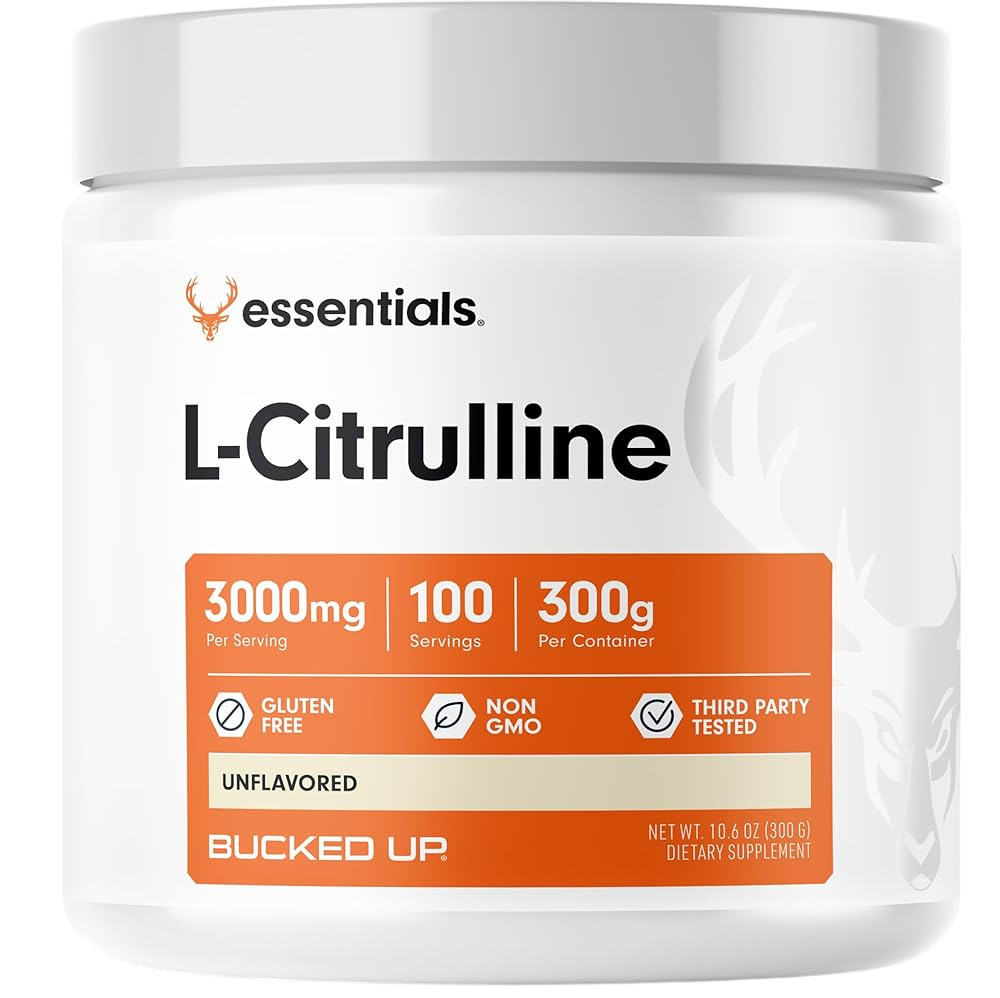
- Bucked Up L-citrulline delivers research-aligned doses that support nitric oxide production and workout performance.1[3]
The Knowledge Gap: Why Arginine Often Disappoints and L-Citrulline Delivers
Many athletes feel frustrated with arginine because of its poor bioavailability. L-arginine supplementation for nitric oxide production often requires high doses yet produces short-lived plasma spikes, heavy first-pass metabolism, and frequent GI side effects like cramping and diarrhea. These factors make arginine less reliable for consistent workout performance.
L-citrulline solves arginine’s bioavailability problem through a different metabolic pathway involving renal conversion.1 After absorption, L-citrulline travels to the kidneys, where it converts efficiently into L-arginine and provides a sustained substrate for nitric oxide synthesis.1 Studies show that L-citrulline malate supplementation improved the use of branched-chain amino acids during exercise and increased levels of human growth hormone, and research also reports enhanced endurance and high-intensity performance through increased oxygen uptake.1
Timing further strengthens this advantage for athletes seeking fast results. Taking L-citrulline on an empty stomach improves absorption and supports its nitric-oxide-boosting effects, which helps deliver noticeable vascularity and pumps within 45–90 minutes of consumption.1
Who Benefits Most from L-Citrulline: Forms, Doses, and Ideal Users
L-citrulline is a non-essential amino acid first isolated from watermelon that plays a central role in nitric oxide synthesis. Unlike arginine, which has poor uptake, L-citrulline bypasses liver metabolism and converts to arginine in the kidneys, giving it superior bioavailability for nitric oxide production.1
Two primary forms appear in supplements. Pure L-citrulline delivers 100% active ingredient. Citrulline malate combines L-citrulline with malic acid in a 2:1 ratio. At this 2:1 ratio, only about two-thirds of the listed weight is L-citrulline, so a 6 g dose of citrulline malate delivers roughly 3.4 g of L-citrulline. The malate component supports ATP production through the Krebs cycle, which makes citrulline malate appealing for endurance-focused athletes.1
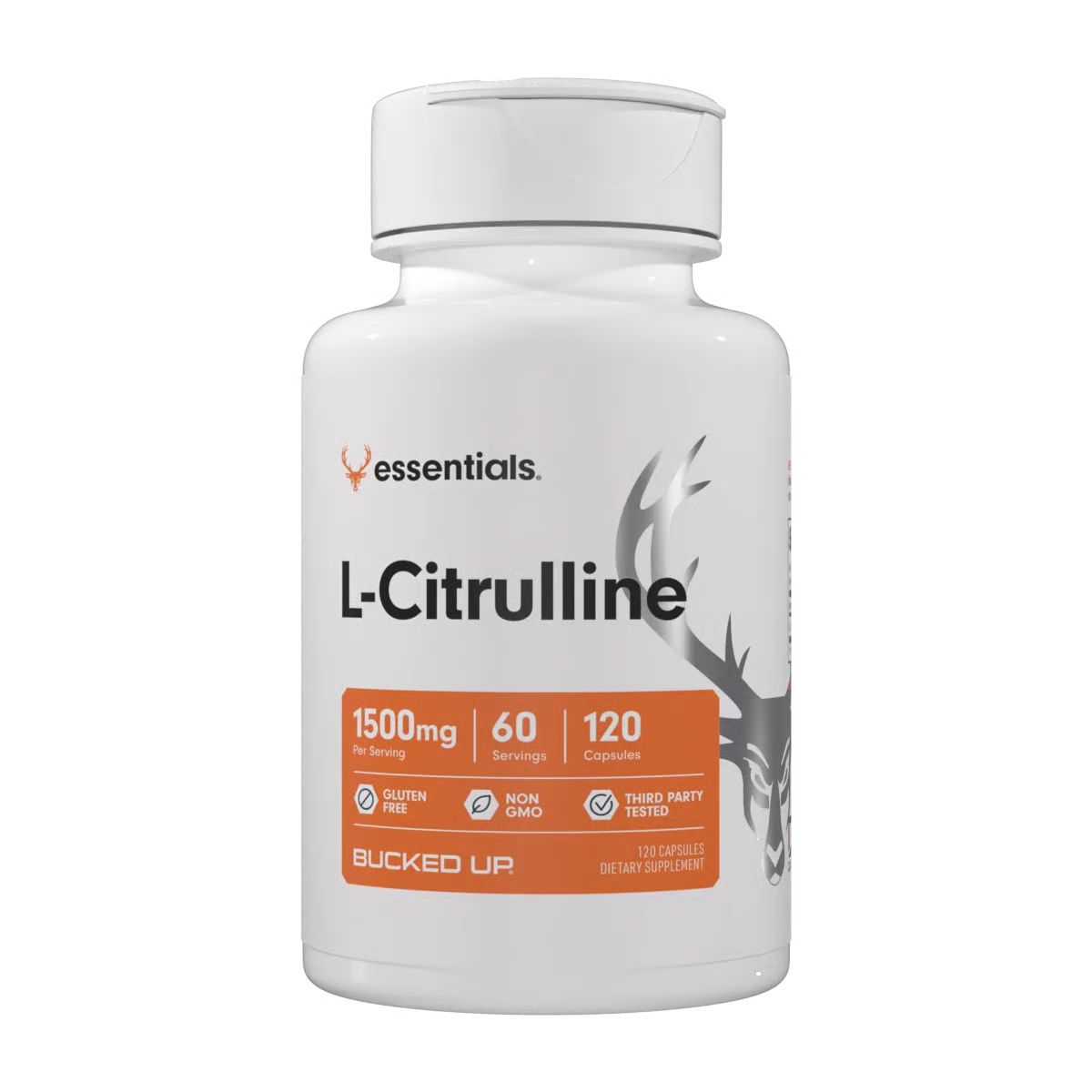
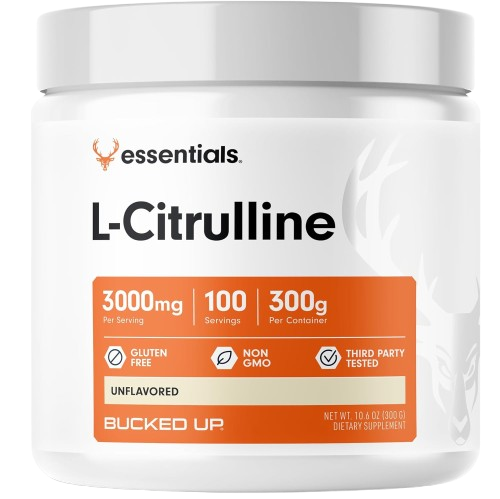
Given these form differences, this protocol is designed for athletes weighing roughly 150–250 lbs who want rapid nitric oxide enhancement. Prerequisites include healthy cardiovascular status, no low blood pressure, no medications that affect blood pressure, and the ability to take supplements on an empty stomach for maximum absorption. For athletes who meet these criteria, choosing a high-quality L-citrulline source supports consistent results, so many turn to Bucked Up pure L-citrulline and citrulline malate options.
How Fast L-Citrulline Raises Nitric Oxide and the 6–8 g Pump Protocol
Peak L-arginine levels generally occur about 1 hour after dosing and can last up to 6 hours, and L-citrulline shows superior bioavailability compared to L-arginine and more effectively increases plasma arginine concentrations.1 To use this timing window and support nitric oxide production before training, follow this practical protocol.
6g Pump Protocol
- Take 6–8 g citrulline malate (providing about 3–6 g pure L-citrulline) 60 minutes before training on an empty stomach.
- Mix the powder in 12–16 oz water to support comfort and reduce the chance of GI distress.
- Hydrate well and include moderate carbohydrates around training to support nutrient delivery.
- Begin your workout when vascularity and muscle fullness become noticeable, usually 45–90 minutes after dosing.
- Evaluate pump quality and any endurance changes after your working sets.
A 2026 study reported that acute supplementation with 8 g citrulline malate taken 60 minutes before exercise reduced completion time in trained female youth kayakers, which supports this timing approach.1
Beginners can start with 3–6 g per serving, while more advanced athletes may stack L-citrulline with other nitric oxide enhancers. Sports-nutrition doses of L-citrulline commonly range from 3 to 10 g per serving and support increases in plasma arginine and nitric oxide metabolites.1 To stay within this research-backed range with minimal guesswork, many athletes use Bucked Up’s L-citrulline formulations.
Citrulline Malate vs Pure L-Citrulline: Forms, Content, and Use Cases
The choice between pure L-citrulline and citrulline malate depends on whether you prioritize direct nitric oxide support or a blend of pump and endurance benefits. The comparison below highlights L-citrulline content and typical use cases for each form.
| Form | L-Citrulline Content | Best For | Source |
|---|---|---|---|
| Pure L-Citrulline | 100% | Direct nitric oxide support and pumps1 | Canyonside Labs |
| Citrulline Malate 2:1 | ~3.4 g per 6 g dose | Pumps plus endurance support1 | Canyonside Labs |
Key variables that influence nitric oxide speed include your training goals, individual tolerance, and how well you manage absorption. Pure L-citrulline focuses on direct nitric oxide enhancement, while citrulline malate adds endurance support through malic acid’s role in ATP production.1
As noted earlier regarding absorption, taking L-citrulline on an empty stomach remains critical, and absorption enhancers can further support bioavailability.[2] L-citrulline may cause gastrointestinal side effects at oral doses of about 10 g or more, and individuals should avoid combining it with nitrate medications because of potential interactions.1
Common Issues and Troubleshooting: Fix No-Pump Problems Fast
The most common issue that blocks rapid nitric oxide enhancement is underdosing, because many products contain too little L-citrulline for meaningful effects. Check supplement labels to confirm that each serving provides an effective amount. Even with correct dosing, poor timing can reduce results because food intake may interfere with absorption, so empty-stomach use with absorption enhancers becomes essential for this protocol.
If pumps still feel weak after following the 6 g protocol, consider increasing to 8 g citrulline malate or stacking with additional nitric oxide enhancers. Some individuals experience mild GI discomfort at higher doses, and splitting the dose or using capsules can help reduce this effect. Dizziness can signal excessive vasodilation, so discontinue use and speak with a healthcare provider if this occurs.
When these troubleshooting steps are applied correctly, individuals who follow proper dosing protocols often report enhanced vascularity and muscle fullness.1 Those who notice inconsistent results may benefit from stricter timing and choosing ingredient sources with transparent labels and built-in absorption support.
Tracking Results and Advanced L-Citrulline Pump Variations
Assess nitric oxide support through clear performance markers such as increased repetition capacity, stronger muscle fullness during sets, and pumps that last 2–3 hours after training.1 Research shows that L-citrulline supplementation improved physical performance, reduced fatigue, and improved concentration immediately after exercise, which aligns with these gym-level observations.1
Adjust one variable at a time to understand your individual response. Advanced athletes sometimes stack pure L-citrulline with other nitric oxide enhancers or use higher citrulline malate doses, such as 8 g, inside stimulant-containing pre-workouts to support both performance and pump.
Periodization helps prevent tolerance while maintaining effectiveness over time. To get the most from each training block, proper hydration supports nitric oxide benefits by aiding nutrient delivery and waste removal. These timing and hydration strategies work more reliably when paired with quality sourcing, since proprietary blends can hide variable ingredient amounts that limit even well-planned protocols.
FAQ: L-Citrulline Nitric Oxide Booster Answers
How long does it take for L-citrulline to kick in?
L-citrulline typically begins to support higher nitric oxide levels within about 45–90 minutes of consumption, with peak effects around 1 hour after dosing.1 The conversion of L-citrulline to L-arginine in the kidneys creates a sustained elevation that often lasts 2–3 hours, which fits most complete workout sessions.
What is an effective citrulline dose for pumps?
For pump support, many athletes use 6–8 g citrulline malate, which provides about 3.4–4.5 g pure L-citrulline, taken 60 minutes pre-workout on an empty stomach.1 Beginners can start with 3–6 g and increase gradually based on tolerance and visible response.
How does L-citrulline compare to arginine for nitric oxide?
L-citrulline provides stronger nitric oxide support than arginine because it bypasses liver metabolism and avoids much of the breakdown that limits arginine’s effectiveness.1 Due to the bioavailability and GI issues discussed earlier, arginine often requires 10+ g doses, while L-citrulline can deliver sustained arginine elevation at about 6–8 g with better tolerance.
What can I stack with L-citrulline for maximum nitric oxide support?
Advanced stacks often combine pure L-citrulline with ingredients such as nitrosigine and glycerol to target multiple vasodilation pathways. This strategy supports both blood volume and cellular hydration, which can enhance muscle fullness and nutrient delivery during training.
Is daily L-citrulline supplementation safe?
Daily L-citrulline intake at 3–6 g appears well tolerated in healthy individuals. Research has reported safety at doses up to about 15 g, although anyone with cardiovascular conditions or using blood pressure medications should consult a healthcare provider before starting supplementation.1
Ready to apply this protocol in your own training? Explore Bucked Up L-citrulline options to align your dosing with the research-backed ranges described above.
1 The content provided in this article is for informational purposes only and is not medical advice. Consult with a medical professional before implementing any changes to your diet, health, or exercise routines.
Individual results will vary and are based on a combination of each individual’s diet, exercise, age, and health circumstances.
These statements have not been evaluated by the Food and Drug Administration. This product is not intended to diagnose, treat, cure or prevent any disease.
This article was written by Ryan Gardner, CEO of Bucked Up. As the maker of Bucked Up Protein Soda, we have a financial interest in this information. The views expressed are our own and should be read with that context in mind.