Key Takeaways
- L-Arginine has poor bioavailability due to first-pass metabolism, so nitric oxide boosts and muscle pumps stay inconsistent for athletes.
- Common side effects include GI distress, headaches, hypotension, and electrolyte imbalances that interrupt and weaken training sessions.
- Serious risks include herpes outbreaks, cardiovascular complications, respiratory issues, and dangerous interactions with several common medications.
- L-Citrulline raises arginine levels more effectively, supports performance, reduces soreness, and avoids most L-Arginine side effects.
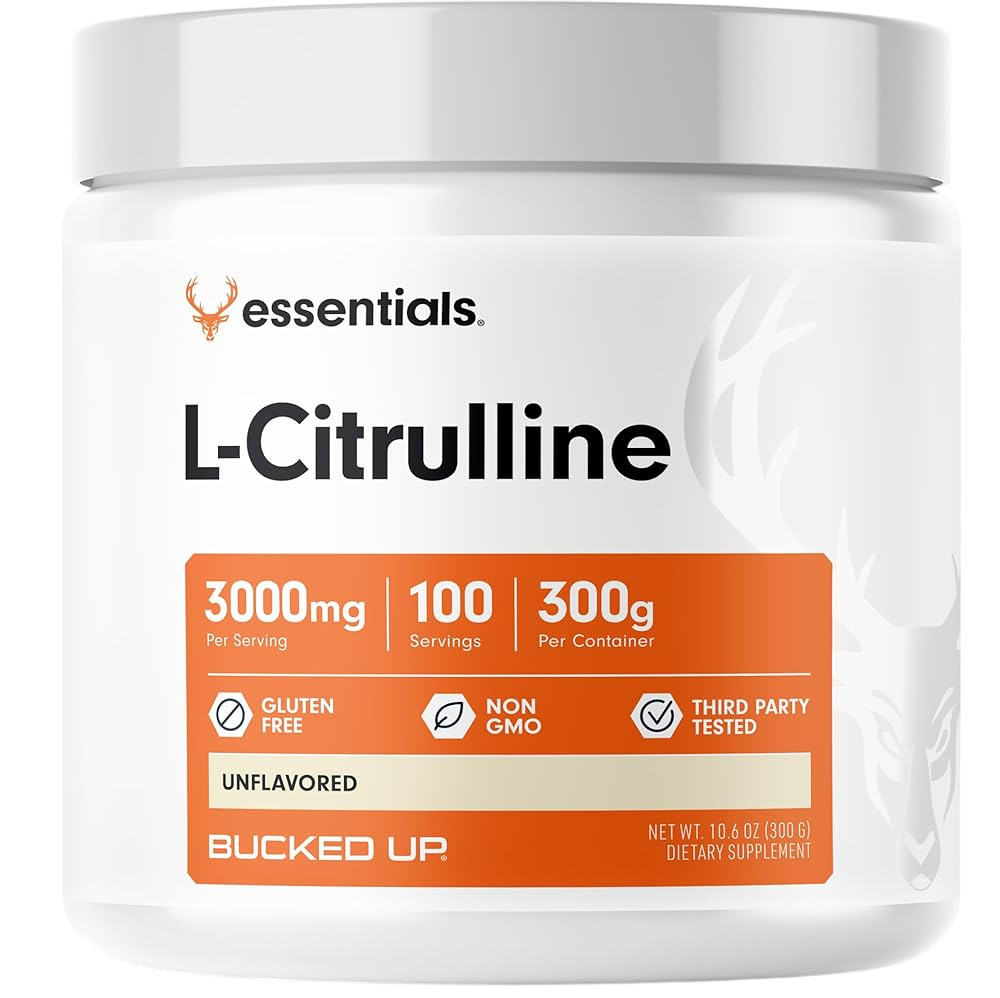
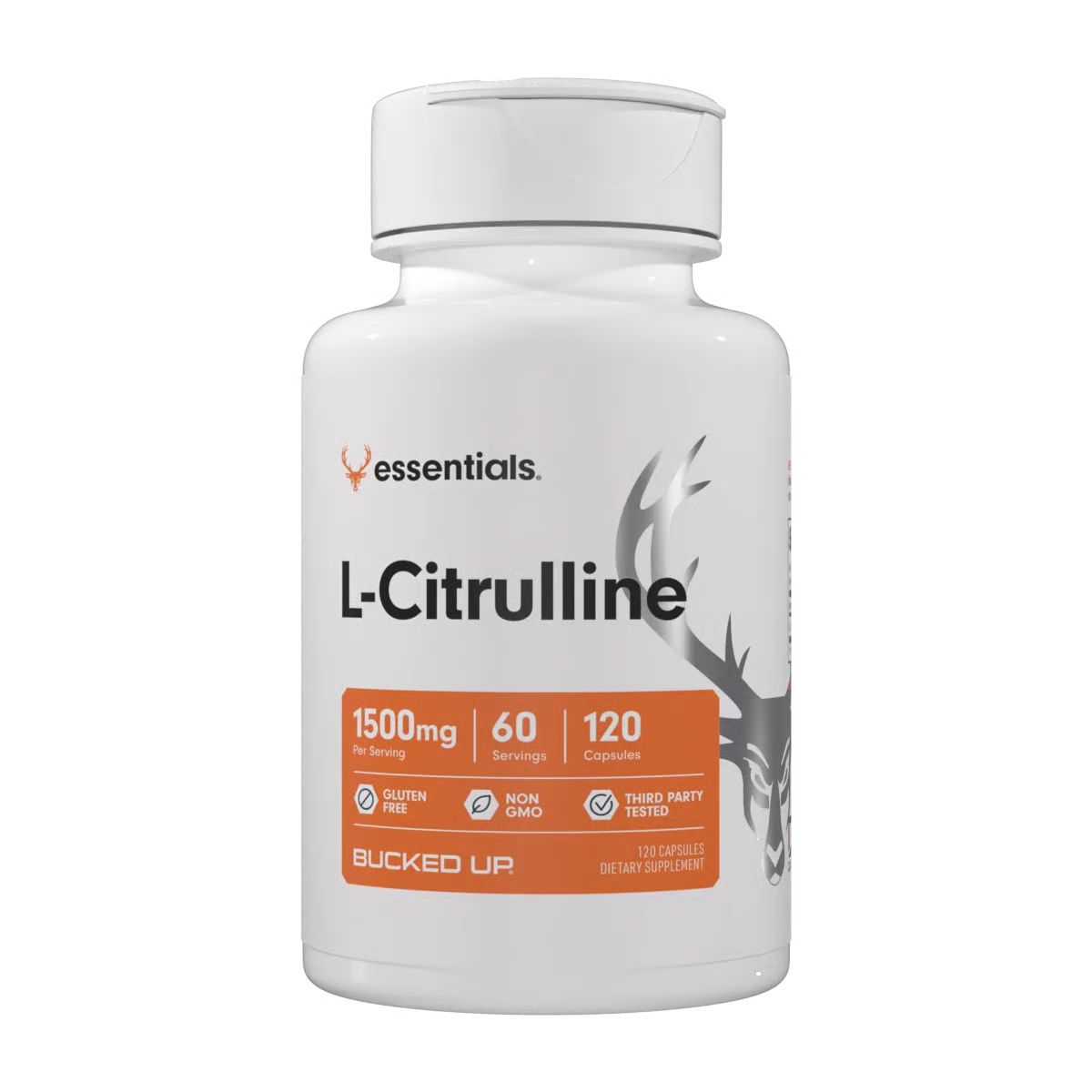
- Switch to Bucked Up’s high-quality L-Citrulline supplements for safer, consistent pumps and reliable athletic performance.
The Problem with L-Arginine: Why It Lets Athletes Down
L-Arginine’s main problem is its poor bioavailability when taken by mouth. The amino acid goes through heavy first-pass metabolism in the liver and intestines, where arginase enzymes break down 70–90% of the dose before it reaches your bloodstream. As a result, only a small fraction of the L-Arginine you take ever reaches your muscles to support nitric oxide production.
For athletes, this means inconsistent pumps and unpredictable performance. You might feel a strong pump one day and feel flat the next, even with the same serving size. Many users respond by increasing the dose, which raises the risk of side effects without delivering reliable benefits.
This bioavailability issue becomes even more obvious during intense training, when metabolic demands spike. The exact moments when you need steady nitric oxide production for blood flow and nutrient delivery are often when L-Arginine falls short. Bucked Up promotes a clinical dosing of science-backed ingredients, including Citrulline Malate and Pure L-Citrulline. Find the perfect L-Citrulline option to unlock your peak performance.
Common L-Arginine Side Effects That Disrupt Training
L-Arginine often causes dose-dependent side effects that directly interfere with training. These issues usually appear at daily doses above 9 grams, but some people react at much lower amounts.
|
Side Effect |
Symptoms |
Training Impact |
Frequency |
|
GI Distress |
Diarrhea, nausea, bloating, cramps |
Mid-workout bathroom breaks, reduced focus |
Most common |
|
Headaches |
Vascular headaches, dizziness |
Loss of concentration, early workout termination |
Common |
|
Hypotension |
Low blood pressure, lightheadedness |
Reduced lifting capacity, safety concerns |
Moderate |
|
Electrolyte Imbalance |
Weakness, irregular heartbeat |
Compromised performance, fatigue |
Less common |
Gastrointestinal issues cause the most trouble for athletes, because they often appear 30–60 minutes after taking L-Arginine. That window usually lines up with the start of your workout, so your prime training time can turn into a fight against cramps, nausea, or urgent bathroom trips.
The Dark Side of L-Arginine: Serious Health Risks
L-Arginine does more than cause short-term discomfort. It also carries several serious health risks that matter for anyone training hard or using other medications.
L-Arginine and Herpes Outbreak Risk
L-Arginine promotes herpes simplex virus replication, as the virus requires arginine to create new viral particles. For athletes with a history of cold sores or genital herpes, L-Arginine can trigger painful outbreaks that interrupt training for days or weeks. Foods high in arginine may promote viral replication and trigger outbreaks in sensitive individuals, so concentrated supplements raise that risk even more.
Cardiovascular Complications During Intense Training
L-Arginine’s vasodilatory effects can cause sharp drops in blood pressure, especially during high-intensity exercise when your cardiovascular system already works hard. Athletes performing HIIT, heavy lifting, or long endurance sessions face a higher chance of hypotensive episodes that can cause fainting, falls, or serious injury.
Respiratory Problems for Asthma and Airway Issues
People with asthma may notice worse symptoms after using L-Arginine because of its effects on airway smooth muscle. The supplement can trigger bronchospasm in susceptible users, which makes breathing harder during exercise when oxygen delivery is crucial.
L-Arginine Interactions and Situations to Avoid
L-Arginine’s vasodilatory properties create risky interactions with several medications and health conditions.
|
Drug/Condition |
Risk Level |
Potential Effect |
Recommendation |
|
Antihypertensive medications |
High |
Severe hypotension |
Avoid or monitor closely |
|
PDE5 inhibitors (Viagra, Cialis) |
Very High |
Life-threatening BP drop |
Contraindicated |
|
Nitrate medications |
Very High |
Excessive vasodilation |
Absolutely prohibited |
|
Blood thinners |
Moderate |
Increased bleeding risk |
Medical supervision required |
L-arginine with nitrates causes sudden drops in blood pressure. Men on nitrate therapy should avoid L-arginine. Arginine combined with blood thinners like warfarin, heparin, and clopidogrel increases bleeding risk.
L-Arginine Side Effects Specific to Males
Male athletes face added risk when they combine L-Arginine with erectile dysfunction medications. L-arginine with PDE5 inhibitors may increase risk of headache, flushing, or low blood pressure, which can create dangerous cardiovascular stress during workouts or sexual activity.
Groups That Should Avoid L-Arginine Completely
Certain groups should skip L-Arginine supplementation altogether:
- Individuals with kidney disease or impaired kidney function
- People with a history of heart attack or other cardiovascular events
- Those with active herpes infections or frequent outbreaks
- Individuals with asthma or chronic respiratory conditions
- Pregnant or breastfeeding women
- Anyone scheduled for surgery within two weeks
Daily L-Arginine Use: Safety Limits and Dosage Concerns
Supplementation with very high doses of L-Arginine at 300 mg/kg body weight per day is considered safe in short-term research, which equals about 25 grams daily for a 183-pound person. These studies focus on limited time frames, not long-term daily use for athletes.
Real-world use looks different. Higher or long-term use can cause gastrointestinal and metabolic adverse effects. Daily doses above 6 grams raise the chance of digestive problems, and doses above 9 grams cause GI distress for most users.
Individual tolerance varies widely, so no single daily dose works safely for everyone. This unpredictability, combined with poor bioavailability, makes L-Arginine a shaky option for consistent daily supplementation.
Why L-Citrulline Outperforms L-Arginine for Safe Pumps
L-Citrulline gives athletes a more reliable way to support nitric oxide. Unlike L-Arginine, L-Citrulline bypasses first-pass metabolism in the liver and converts to L-Arginine in the kidneys. This process raises plasma arginine levels more effectively and keeps nitric oxide production steadier.
Research shows that L-Citrulline can increase repetitions to failure in resistance training by up to 53 percent and cut delayed onset muscle soreness by about 40 percent. It also supports healthier blood pressure without the side effect pattern seen with direct L-Arginine use. Mild side effects from L-Citrulline usually appear only at doses above 10 grams, which is higher than most standard serving sizes.
This unique pharmacokinetic profile gives you consistent results without the GI distress, cardiovascular instability, or herpes triggers tied to L-Arginine. For athletes who want dependable performance support, L-Citrulline stands out as the smarter nitric oxide booster.
Bucked Up L-Citrulline: Pre-Workout Formulas Built for Pumps
Bucked Up solves L-Arginine’s shortcomings with L-Citrulline-based formulas that deliver consistent pumps and performance. Our Bucked Up and Woke AF pre-workouts each feature 6 grams of Citrulline Malate 2:1, which matches the clinical threshold for strong nitric oxide support while malic acid helps energy metabolism.
For advanced athletes who want next-level pumps, Mother Bucker includes 4 grams of Pure L-Citrulline with Nitrosigine and Hydroprime Glycerol. This combination creates a powerful pump matrix that supports vasodilation through several pathways. Each formula also includes Astragin to support absorption and help you get the most from every gram.
Whether you chase skin-splitting pumps, battle stimulant-induced vasoconstriction, or demand research-backed nitric oxide support, Bucked Up offers a transparent, clinically dosed L-Citrulline lineup that matches serious training goals.
Frequently Asked Questions About L-Arginine and L-Citrulline
Is L-Arginine safe to take daily?
Daily L-Arginine use carries real risks, including GI distress, blood pressure changes, and drug interactions. Long-term daily intake above 6 grams raises the odds of side effects, and poor bioavailability makes consistent results unlikely. L-Citrulline offers a safer daily option with better absorption and a cleaner side effect profile.
Does L-Arginine affect sleep?
L-Arginine can disrupt sleep for some users through its effects on blood pressure and nitric oxide. Changes in circulation may alter sleep quality, especially when taken later in the day. GI discomfort from L-Arginine can also cause nighttime issues that interfere with recovery.
Can L-Arginine trigger herpes outbreaks?
L-Arginine supplementation can trigger herpes simplex virus outbreaks because the virus uses arginine for replication and new viral particle formation. People with a history of cold sores or genital herpes should avoid L-Arginine, since it can increase both outbreak frequency and severity. L-Citrulline does not carry this specific risk.
What makes L-Citrulline safer than L-Arginine for daily use?
L-Citrulline bypasses liver metabolism that destroys most oral L-Arginine, so it delivers better bioavailability and steadier effects. It causes fewer GI problems, does not fuel herpes outbreaks, and has a milder interaction profile with medications. Its conversion to L-Arginine in the kidneys supports sustained nitric oxide benefits without the sharp risks seen with direct L-Arginine.
When should I completely avoid L-Arginine supplements?
Avoid L-Arginine if you have kidney disease, cardiovascular conditions, active herpes infections, asthma, or if you take blood pressure medications, nitrates, or PDE5 inhibitors. Pregnant women, people scheduled for surgery, and anyone with a history of heart attack should also skip L-Arginine. Always speak with your healthcare provider before starting a new supplement.
Conclusion: Choose L-Citrulline and Bucked Up for Safer Pumps
L-Arginine’s poor bioavailability, wide side effect range, and serious health risks make it unreliable for athletes who want consistent performance. GI distress, cardiovascular instability, herpes triggers, and drug interactions all limit its value as a pre-workout staple.
L-Citrulline delivers a stronger alternative, with steady nitric oxide support, lasting pumps, and better workout performance, all with fewer risks. Bucked Up’s L-Citrulline formulas provide clinical dosing and transparent labels so you know exactly what supports your training.