

Welcome to the world of enhanced performance and well-being, where the spotlight is on L-Citrulline – a natural amino acid that’s capturing the attention of fitness enthusiasts and health-conscious individuals alike. Let’s unravel the mysteries behind L-Citrulline and uncover the remarkable ways it can positively impact your body.*


At the heart of L-Citrulline’s charm lies its unique ability to stimulate nitric oxide production. Nitric oxide, often dubbed the “miracle molecule,” is responsible for widening blood vessels, leading to improved blood circulation and a cascade of benefits for both body and mind. But that’s not all – L-Citrulline also plays a crucial role in the urea cycle, aiding in the removal of toxic ammonia from the body.


At the heart of L-Citrulline’s charm lies its unique ability to support the stimulation of nitric oxide production.* Nitric oxide, often dubbed the “miracle molecule,” is responsible for widening blood vessels, leading to improved blood circulation and a cascade of benefits for both body and mind. But that’s not all – L-Citrulline also plays crucial role in supporting the urea cycle*, aiding in the removal of toxic ammonia from the body.*

Promote faster recovery times with open arms.* L-Citrulline’s vasodilatory properties support your muscles receiving a VIP supply of supply of oxygen and nutrients post-workout, minimizing soreness and helping you bounce back quicker than ever.*

Your heart deserves the best, and L-Citrulline delivers. By promoting healthy blood pressure levels and enhancing overall circulation, it supports your cardiovascular system.* However, remember that L-Citrulline is a complement, not a replacement, for prescribed medications.
In the journey toward wellness, a few pit stops are to be expected. Here are a couple of aspects to keep in mind:


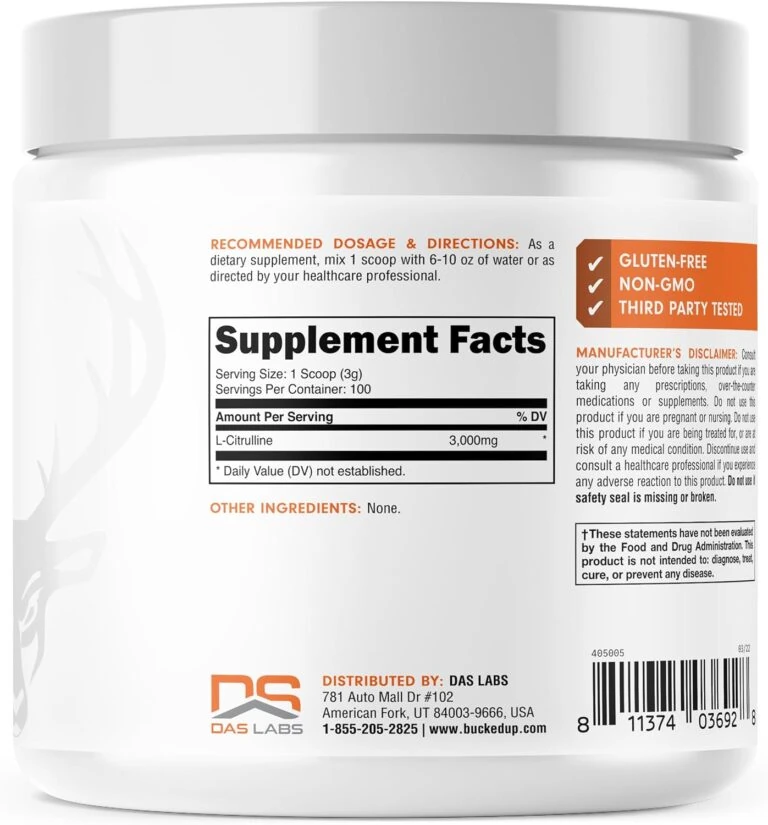
Navigating the optimal dosage and timing can be akin to fine-tuning an instrument. Seeking guidance from healthcare professionals or following product recommendations ensures you’re on the right track for effective and safe use.
Just like no two fingerprints are alike, individual responses to L-Citrulline can vary. While many experience notable benefits, some might not notice significant changes.* Patience and self-awareness are key.
Think of it as a face-off between two contenders for the nitric oxide throne. L-Citrulline and L-Arginine take different routes to the same destination. L-Arginine is a direct precursor to nitric oxide, while L-Citrulline transforms into L-Arginine, providing a sustained nitric oxide boost. Many individuals find L-Citrulline’s approach more potent and enduring.*
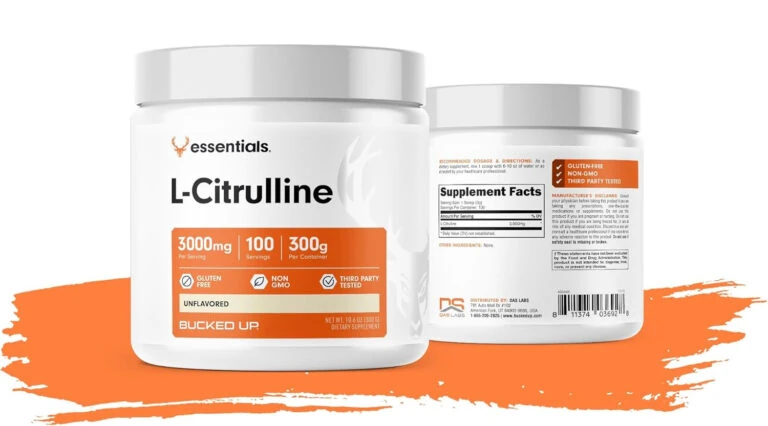
Imagine going the extra mile – quite literally. L-Citrulline supports improved vasodilation*, which in turn promotes providing your muscles with a constant supply of oxygen and nutrients.* Like a chain reaction, the next logical step is support for improved endurance* and reduced fatigue*, allowing you to push through challenging workouts and reach new heights in your fitness journey.*
In the world of supplements, there’s no one-size-fits-all solution. While L-Citrulline shines brightly, other options exist. The key is to tailor your choices to your specific goals, health status, and preferences. A consultation with healthcare professionals is your compass in this expansive landscape.
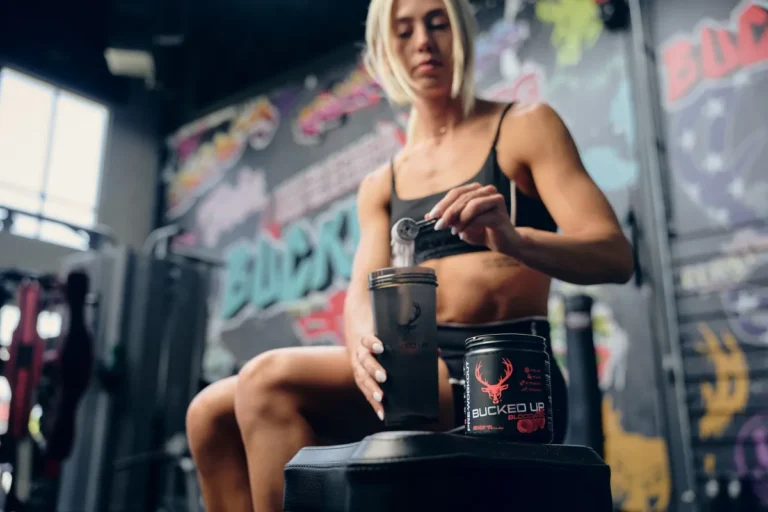
Ever wondered what gives preworkout supplements that extra kick? L-Citrulline is a powerhouse ingredient that’s become a staple in the world of fitness and performance enhancement.
At the heart of L-Citrulline’s popularity lies its unique ability to stimulate the production of nitric oxide – the vasodilator that expands blood vessels. This effect leads to increased blood flow, enhanced oxygen delivery, and nutrient transport to working muscles. In other words, L-Citrulline acts as a performance fuel, providing your muscles with the oxygen and nutrients they crave during intense workouts.*
Imagine going the extra mile – quite literally. L-Citrulline supports improved vasodilation*, which in turn promotes providing your muscles with a constant supply of oxygen and nutrients.* Like a chain reaction, the next logical step is support for improved endurance* and reduced fatigue*, allowing you to push through challenging workouts and reach new heights in your fitness journey.*
The aftermath of a workout often includes muscle soreness. L-Citrulline lends a helping hand here as well. By promoting blood flow to recovering muscles, it aids in nutrient and oxygen delivery, supporting faster recovery and minimizing post-workout soreness.*
L-Citrulline doesn’t work alone in pre-workouts. It often teams up with ingredients like caffeine, beta-alanine, Astrigin, and creatine to create a dynamic blend that maximizes your workout potential.* These ingredients complement each other, supporting energy,* focus,* and endurance,* all while enhancing blood flow* and muscle support.*
While L-Citrulline is a star player, the dosage matters. Pre-workouts containing the right amount of L-Citrulline can yield the best results. Consulting product labels or seeking advice from professionals ensures you’re reaping the full benefits of this performance enhancer.
The beauty of pre-workouts lies in their customization.* Different formulations cater to various fitness goals.* Whether you’re a weightlifter,* runner,* or athlete,* L-Citrulline’s versatile benefits can be tailored to suit your specific needs, helping you achieve the results you desire.*
The inclusion of L-Citrulline in pre-workouts isn’t just a trend – it’s backed by science and performance-enhancing benefits.* From boosting endurance* to accelerating recovery,* this ingredient is a game-changer. So, next time you sip on your preworkout,* remember that L-Citrulline is the secret ingredient working behind the scenes to elevate your fitness journey.*
Embrace L-Citrulline as your partner in the journey to promote performance and vitality.* Its potential to supercharge workouts,* expedite recovery,* and support cardiovascular health is undeniable.* However, safety remains paramount – consult healthcare experts, informed decisions,* and embark on your path with confidence.*