Last updated: April 22, 2026
Key Takeaways for L-Citrulline Pumps
- L-Citrulline boosts nitric oxide by converting to arginine in the kidneys, which supports stronger pumps and better endurance than low-bioavailable arginine.1
- Most lifters respond well to 6–8 g Citrulline Malate (about 4 g pure L-Citrulline) or 3–5 g pure L-Citrulline, scaled for roughly 150–250 lbs, taken 30–60 minutes before training.1
- Citrulline Malate adds malate for Krebs cycle energy support, while pure L-Citrulline works well for stacking with nitric oxide boosters like Nitrosigine.
- Common “no pump” issues often improve with the right dose, pre-workout timing on a relatively empty stomach, solid hydration, and absorption aids like AstraGin.1
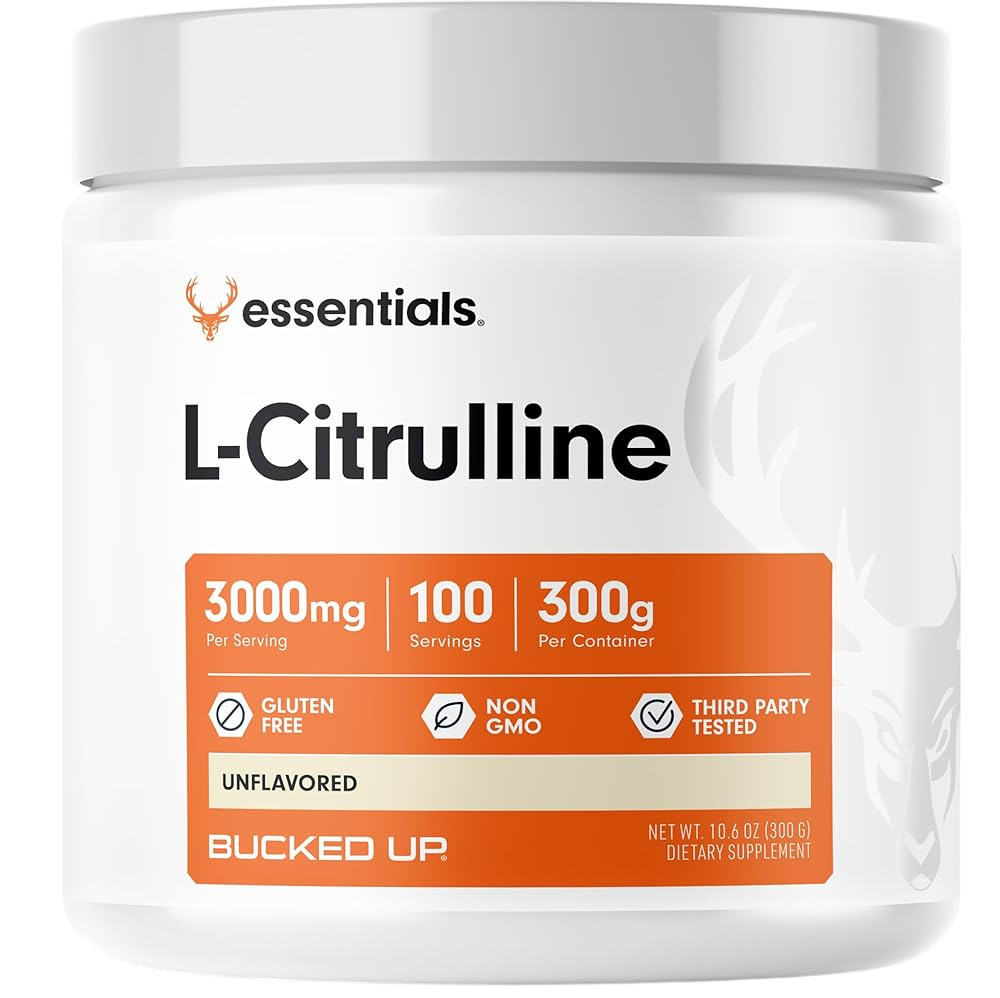
- Many lifters use Bucked Up’s pure L-Citrulline powder to dial in precise, research-backed dosing for their bodyweight and training style.
Dialing In Your Optimal L-Citrulline Dosage for Pumps
Most people see noticeable pump benefits with 6–8 g Citrulline Malate or 3–5 g pure L-Citrulline taken 30–60 minutes before a workout. This window supports peak plasma levels while you train.1 Research demonstrates up to a 53% increase in repetitions to failure when lifters follow structured dosing protocols.1
| Bodyweight (lbs) | Pure L-Citrulline (g) | Citrulline Malate (g) | Reported Effects |
|---|---|---|---|
| 150–175 | 3–4 | 6 | Around 40–50% more reps, noticeable vascularity1 |
| 175–200 | 4 | 6–7 | Performance gains similar to the study’s 53% increase in reps, stronger endurance1 |
| 200–225 | 4–5 | 7–8 | More pronounced pumps and muscle fullness1 |
| 225–250 | 5 | 8 | Nitric oxide support and recovery benefits1 |
L-Citrulline supports pumps through the nitric oxide pathway. It converts to arginine in the kidneys, and arginine then drives nitric oxide production for vasodilation and blood flow.1 The malate in Citrulline Malate supports the Krebs cycle, which helps energy production and can support both pump and endurance in the same dose.1
Performance Lab recommends 6–8 g daily of pure L-Citrulline or about 8 g daily of Citrulline Malate before training for effective pumps during resistance workouts.1
Pure L-Citrulline Dosing for Focused Pump Support
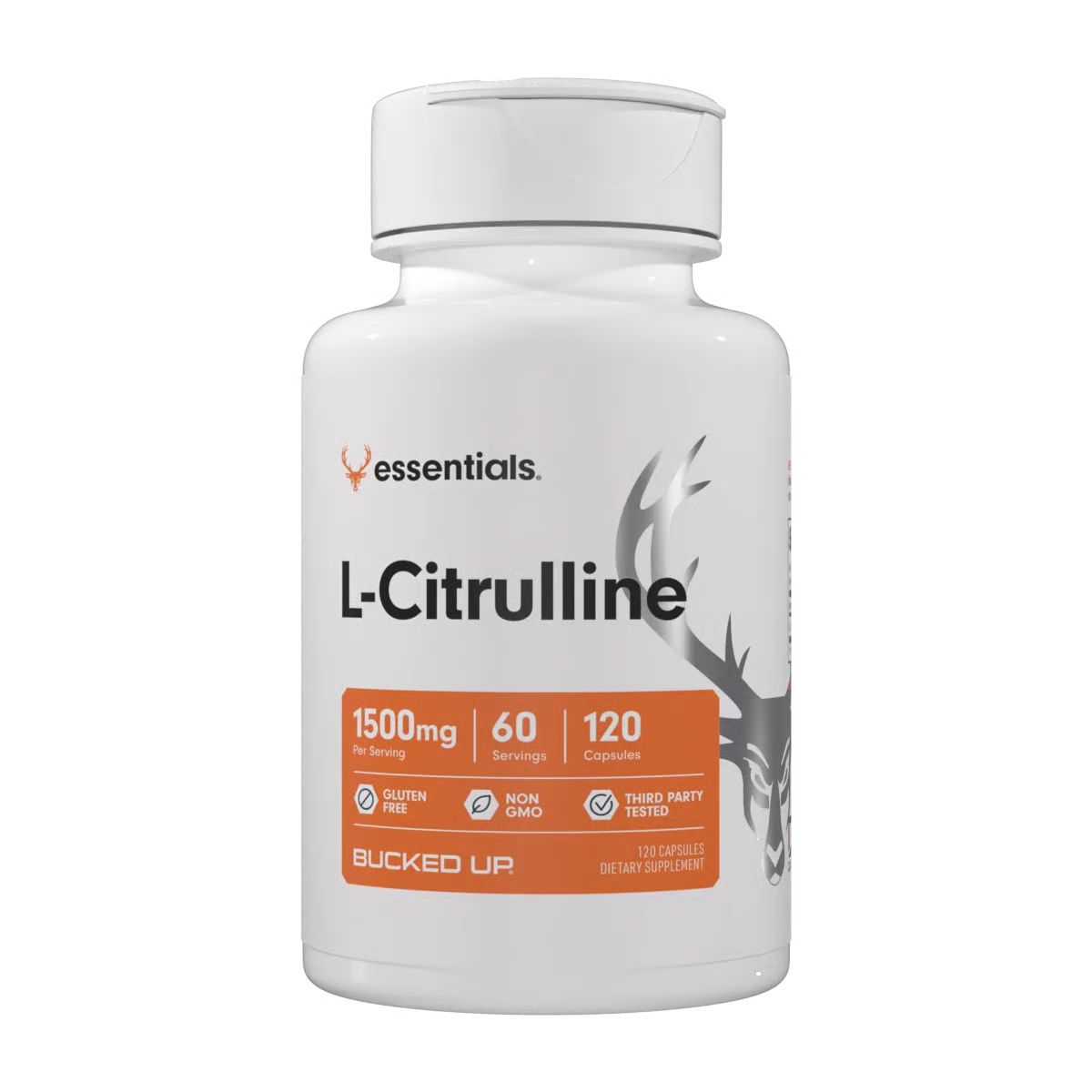
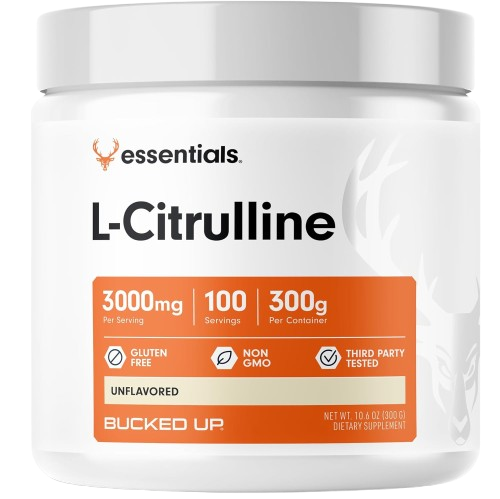
Pure L-Citrulline delivers 100% active amino acid, so many lifters see results with 3–5 g per serving. The conversion ratio shows that 1.76 g of Citrulline Malate equals about 1 g of pure L-Citrulline. Bucked Up’s pure powder provides 3 g per scoop, and the capsules deliver 1.5 g per two capsules, which makes it easier to adjust your dose.
Studies show that 6 g or more of L-Citrulline daily for seven days improved muscle oxygenation and high-intensity exercise performance.1 Pure L-Citrulline fits well into stacks with other nitric oxide boosters because it does not add extra compounds that might overlap with your pre-workout formula.
Comparing Citrulline Malate and Pure L-Citrulline for Pumps
Choosing between Citrulline Malate and pure L-Citrulline starts with understanding how much active citrulline you actually get. Six grams of 2:1 Citrulline Malate delivers roughly 4 g of actual L-Citrulline. Malate can support energy production through the Krebs cycle, while pure L-Citrulline focuses on providing a concentrated nitric oxide precursor.
The following comparison highlights how research-backed outcomes differ between the two forms.
Comparative research points to distinct strengths for each option. Citrulline Malate shows the performance gains mentioned earlier, while pure L-Citrulline sustains arginine levels more effectively, which can support prolonged nitric oxide production during longer or more intense sessions.1
Best Timing: How Much L-Citrulline Before a Workout
Most lifters get the best results when they take L-Citrulline 30–60 minutes before training. This timing supports peak blood levels during the working sets that matter most. Taking it on a relatively empty stomach can help absorption for some people.
Effects often become noticeable within 30–60 minutes of ingestion, so the pre-workout window plays a key role in how strong your pump feels during the session.1
Why You Might Not Feel a Pump: 5 Common Fixes
Many “no pump” experiences trace back to a few predictable issues that affect the nitric oxide pathway and blood flow. Addressing each factor in order helps you troubleshoot more efficiently and see whether L-Citrulline is working for you.
1. Insufficient dosage: Using less than 6 g Citrulline Malate or 3 g pure L-Citrulline can limit nitric oxide production, which forms the base of any pump effect.1
2. Poor timing: Even with a solid dose, taking L-Citrulline too close to or too far from your workout can prevent plasma levels from peaking when you train.
3. Absorption issues: When dose and timing look good but pumps still feel flat, absorption enhancers like AstraGin in some formulas can help more citrulline reach your bloodstream.
4. Dehydration: Once citrulline converts to arginine, low fluid intake can limit vasodilation and blunt the full pump sensation you expect.
5. Full stomach: Heavy meals can interfere with amino acid absorption and keep citrulline from entering circulation efficiently, which undercuts all the steps above.
Proven Bucked Up Stacks for Bigger Pumps
Clear, transparent dosing helps you know exactly how much citrulline and support ingredients you are taking. Bucked Up formulas list active ingredients at research-aligned levels instead of relying on proprietary blends that can hide exact amounts.
| Product | Citrulline Dose | Key Stack | Target |
|---|---|---|---|
| Bucked Up / Woke AF | 6 g Malate 2:1 | + AstraGin | All levels |
| Mother Bucker | 4 g Pure | + Nitrosigine / Hydroprime | Advanced |
| Pure Powder | 3 g per scoop | Stackable | Custom |
The Mother Bucker formula combines 4 g pure L-Citrulline with Nitrosigine and Hydroprime Glycerol to create a focused pump stack. This setup targets vasodilation and pump support through several biological pathways at once.
All Bucked Up products are manufactured in GMP-certified USA facilities, which supports consistent quality and potency from batch to batch.
Safety and Side Effects of L-Citrulline
Research reports no adverse events with oral L-Citrulline doses up to 15 g in healthy adults. Doses under 10 g per day are generally well tolerated and usually come with minimal side effects for most healthy users.1
Rare gastrointestinal discomfort can show up with very high single doses, especially in people new to the ingredient.1 Individuals with low blood pressure should use caution because of the vasodilatory effects.1 Those taking antihypertensive medications or PDE5 inhibitors should talk with a healthcare provider before starting L-Citrulline.
Assessing Your Pump Progress Over Time
Once L-Citrulline fits your health profile, tracking your response over 1–2 weeks helps you see whether your dose and timing are dialed in. Measuring pump effectiveness works best when you follow specific performance and visual markers across several sessions.
Track changes in repetitions, visible vascularity, and how full your muscles feel during and after training. Progressive overload often becomes easier as better blood flow and nutrient delivery support higher training volume and intensity. Record a clear baseline before you start supplementing so you can compare sessions accurately.
FAQ
How much L-Citrulline should I take for pumps?
Most lifters do well with 6–8 g of Citrulline Malate or 3–5 g of pure L-Citrulline taken 30–60 minutes before a workout. This range supports nitric oxide production and can enhance muscle pumps during resistance training.1 Heavier individuals closer to 250 lbs often benefit from the higher end of the range, while lighter lifters can start lower.
Should I choose pure L-Citrulline or Citrulline Malate for pumps?
Citrulline Malate supports both pumps and endurance because the malic acid component helps energy production through the Krebs cycle. Pure L-Citrulline focuses on nitric oxide precursor activity and fits well in stacks with other pump ingredients. Both forms can work effectively when you match the dose to your bodyweight and training demands.
What is the recommended Bucked Up L-Citrulline dosage?
Bucked Up products use transparent labeling with 6 g Citrulline Malate in standard pre-workouts like Bucked Up and Woke AF. Advanced formulas like Mother Bucker include 4 g pure L-Citrulline. The pure L-Citrulline powder provides 3 g per scoop, which lets you adjust your total intake across your stack.
What should I do if I am not feeling any pump effects?
Start by checking your dose and aim for at least 6 g Citrulline Malate or 3 g pure L-Citrulline. Adjust your timing so you take it about 60 minutes before training on a relatively empty stomach. Consider formulas that include absorption enhancers like AstraGin, stay well hydrated, and give the protocol 1–2 weeks so your body can respond consistently.
Can I take L-Citrulline daily for consistent pump benefits?
Daily L-Citrulline use up to 10 g appears safe for healthy adults in available research and may support ongoing nitric oxide production and vascular function.1 Consistent intake can help maintain higher baseline arginine levels, which may translate into more reliable pump effects during regular training.1
The optimal L-Citrulline dosage before a workout for strong pump support generally falls within the research-backed ranges discussed throughout this guide. Pairing those doses with smart timing, good hydration, and attention to absorption can turn routine training into more pump-focused sessions. Bucked Up’s emphasis on transparent dosing and research-aligned formulations gives you a clear starting point for consistent, repeatable results. Updated 2026.
1 The content provided in this article is for informational purposes only and is not medical advice. Consult with a medical professional before implementing any changes to your diet, health, or exercise routines.
Individual results will vary and are based on a combination of each individual’s diet, exercise, age, and health circumstances.
These statements have not been evaluated by the Food and Drug Administration. This product is not intended to diagnose, treat, cure or prevent any disease.
This article was written by Ryan Gardner, CEO of Bucked Up. As the maker of Bucked Up Protein Soda, we have a financial interest in this information. The views expressed are our own and should be read with that context in mind.