Key Takeaways
- Watermelon beats citrulline powders by bypassing liver metabolism, boosting nitric oxide by about 30% for stronger pumps.
- A stack of coffee, beets, and bananas delivers natural pre-workout energy and nitric oxide support that rivals synthetic formulas without crashes.
- Beets, cordyceps, and herring support ATP production as practical natural creatine alternatives through betaine, nitrates, and natural creatine.
- Greek yogurt, eggs, and chicken supply complete proteins and BCAAs, plus extra micronutrients that many powders lack.
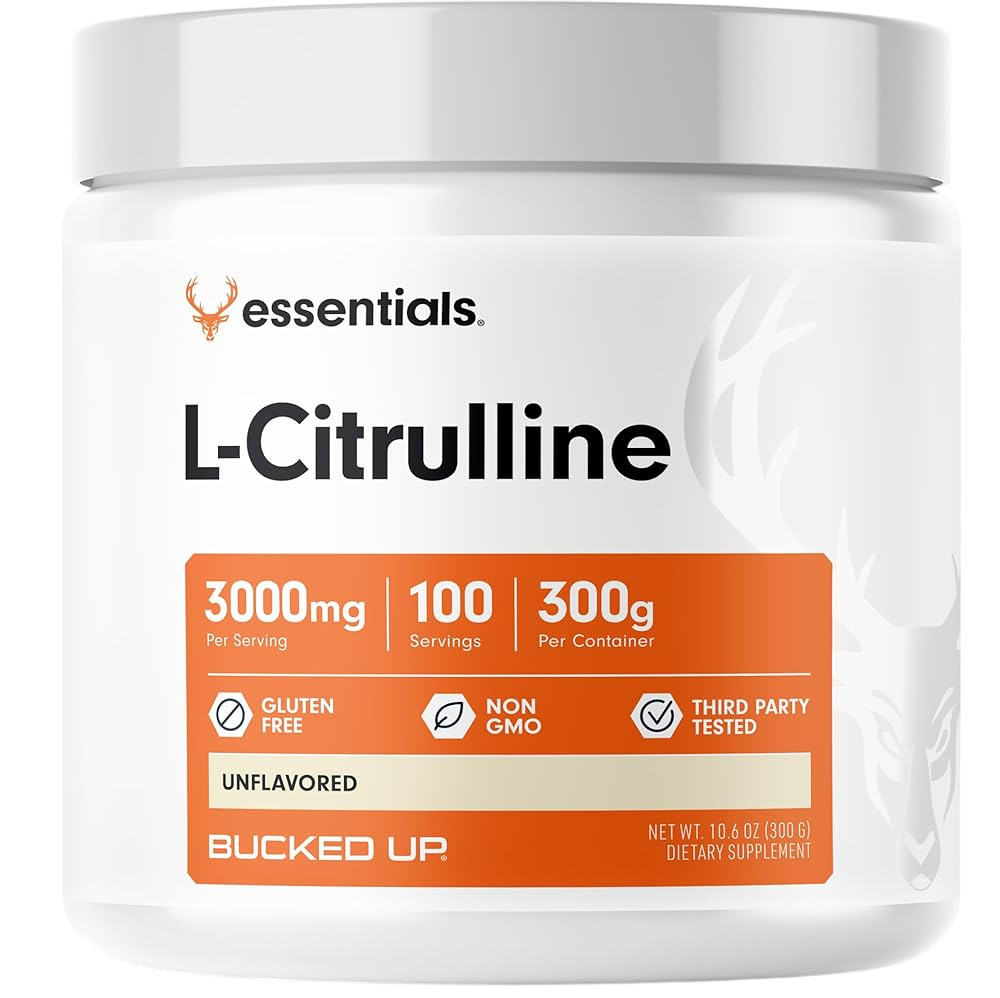
- When food volume gets unrealistic, Bucked Up L-Citrulline delivers a clinical 6g dose for elite gym performance. Choose Bucked Up’s clinically dosed L-Citrulline to upgrade pumps, endurance, and recovery in every training session.
Natural Swaps for Popular Gym Supplements
This comparison shows how specific foods can stand in for common gym supplements with research-backed effectiveness.
|
Popular Supplement |
Top Natural Alternative |
Why It Works |
Daily Dosing |
|
Pre-Workout |
Coffee + Beets + Banana |
Caffeine, nitrates, and carbs support energy and nitric oxide |
1 cup coffee + 16oz beet juice + 1 banana |
|
Creatine |
Beets + Cordyceps |
Betaine and nitrates support ATP production |
500g beets + 3g cordyceps daily |
|
Protein Powder |
Greek Yogurt + Eggs |
Complete amino acid profile |
1 cup yogurt + 3 whole eggs |
|
NO Boosters |
Watermelon (2.2 lbs = 3g citrulline) |
Kidney arginine conversion bypasses liver |
2-3 lbs watermelon with rind |
Impractical food volumes make Bucked Up’s 6g Citrulline Malate a realistic clinical-threshold option for serious athletes.
1. Natural Pre-Workout Stack with Beets, Coffee, Banana, Honey, and Salt
Coffee supplies natural caffeine for energy and focus, and beets deliver nitrates that convert to nitric oxide for better blood flow. Caffeine improves aerobic endurance, sprints, strength, and muscular endurance across multiple performance metrics. Bananas add quick-digesting carbs and potassium for steady energy without a hard crash.
Recipe: Mix 16oz fresh beet juice with 1 cup black coffee and drink it 60 minutes before training. Eat 1 sliced banana with a pinch of sea salt and a drizzle of honey to support electrolytes and glycogen.
Benefits:
- Natural caffeine reduces the harsh crashes linked to some synthetic stimulants
- Nitrates support oxygen delivery to working muscles
- Potassium helps maintain strong, efficient muscle contractions
For crash-free pumps without heavy prep, Bucked Up’s pre-workouts with 6g Citrulline Malate and AstraGin deliver clinical-dose nitric oxide support.
2. Watermelon for Citrulline, Nitric Oxide, and Pumps
Watermelon is one of the most concentrated natural citrulline sources, and the rind holds the highest levels. Its citrulline bypasses liver metabolism and converts to arginine in the kidneys, which supports stronger nitric oxide production. Citrulline supplementation increases repetitions to failure by up to 53% during resistance training.
Optimal Dosing: About 2.2 to 3.3 lbs of watermelon with rind provides roughly 3g of citrulline, which matches common clinical doses.
Watermelon vs. Beets: Beets supply nitrates that convert to nitric oxide, while watermelon delivers citrulline that raises arginine directly for longer-lasting pumps.
Smoothie Recipe: Blend 2 cups watermelon flesh with 1 cup chopped rind, ice, and a squeeze of lime to improve flavor and drinkability.
When eating over 3 lbs of watermelon daily feels unrealistic, Bucked Up’s Pure L-Citrulline or Mother Bucker (4g plus Nitrosigine) delivers concentrated pump power.
3. Creatine Support from Beets, Cordyceps, and Herring
No whole food fully matches creatine’s direct phosphocreatine support, but several foods still help ATP production. Nutrient-dense meals with solid protein distribution support recovery and adaptation in high-intensity training. Beets provide betaine, which supports methylation pathways involved in energy metabolism.
Natural Stack:
- 500g cooked beets daily for betaine and nitrates
- 3g cordyceps mushroom extract for cellular energy support
- Herring or sardines three times weekly for natural creatine content
Mechanism: Betaine supports phosphocreatine regeneration, and nitrates support oxygen delivery to muscles, which together can support strength and power.
4. Whole Food Protein and BCAA Alternatives
Whole food proteins deliver complete amino acid profiles with fewer artificial additives and often better digestion. Natural dairy proteins such as whey provide essential amino acids for muscle growth and recovery after training, along with extra vitamins, minerals, and gut-friendly compounds.
Complete Protein Sources:
- Greek yogurt: about 20g protein per cup plus probiotics
- Whole eggs: about 6g complete protein per egg with leucine
- Spirulina: about 8g protein per 2 tablespoons with B vitamins
- Chicken breast: about 25g protein per 3.5oz serving
BCAA Alternative: BCAA supplementation after exercise reduces delayed-onset muscle soreness and supports muscle repair through improved energy metabolism. Eggs and chicken naturally provide leucine, isoleucine, and valine in effective ratios.
5. Recovery Foods with Tart Cherry, Coconut Water, and Turmeric
Targeted recovery foods help manage inflammation and support muscle repair with antioxidants and electrolytes. Proper recovery nutrition can reduce delayed-onset muscle soreness by up to 40%.
Recovery Stack:
- 8oz tart cherry juice for natural melatonin and anthocyanins
- 16oz coconut water for potassium and natural electrolytes
- 1 teaspoon turmeric with black pepper to support curcumin absorption
Timing: Drink or eat these within 30 minutes after training to support nutrient delivery and inflammation control.
6. Pro-Level Natural Stacks for Pumps and Recovery
Combining several natural options often delivers better results than using a single food alone. Combining caffeine with L-theanine from tea improves performance while reducing anxiety and limiting crashes. Many high-level athletes pair watermelon before training with beet juice after training to keep nitric oxide levels elevated.
7. Forum-Tested Natural Stacks and Timing
Experienced lifters often see the best results when they time natural stacks around their workouts.
Pre-Workout Stack (60 minutes before):
- 2 cups watermelon plus 1 cup coffee
- 1 banana with sea salt
- Green tea for L-theanine and smoother stimulation
Post-Workout Stack (within 30 minutes):
- 16oz beet juice for continued nitric oxide support
- Greek yogurt with berries for protein and antioxidants
- Coconut water for electrolyte replenishment
Advanced users often combine these foods with Bucked Up’s Woke AF pre-workout, which features 6g Citrulline Malate for a strong mind-muscle connection and sustained pumps.
8. When Serious Lifters Upgrade to Bucked Up
Natural alternatives work well for general fitness, but serious athletes eventually hit practical limits. Eating over 3 lbs of watermelon every day for enough citrulline is difficult, and reaching clinical doses of several key compounds from food alone requires very large portions.
Upgrade Indicators:
- Training more than five days per week at high intensity
- Hitting a performance plateau despite consistent whole-food nutrition
- Limited time for shopping, cooking, and food prep
- Needing precise clinical dosing for competition or peak phases
User Testimonials: “Best pre ever, pumps last through my entire 90-minute session. The 6g citrulline malate feels stronger than any natural setup I have tried.”
Bucked Up lists clear clinical dosing such as 6 to 8g citrulline instead of hiding behind proprietary blends, so you get therapeutic amounts that food alone rarely matches in practice.
Frequently Asked Questions
Is watermelon better than citrulline supplements?
Watermelon delivers natural citrulline plus extra nutrients and fiber, but you need about 2 to 3 lbs daily to reach roughly 3g citrulline. Bucked Up’s concentrated L-Citrulline provides an efficient 6g dose without huge food volume and uses AstraGin to support absorption.
What is the most effective natural alternative to creatine?
Beets supply betaine and nitrates that support ATP production through different pathways, and cordyceps mushrooms support cellular energy metabolism. No food fully replaces creatine’s phosphocreatine benefits, but 500g beets per day can provide meaningful betaine for strength support.
When should I drink beet juice for performance?
Drink 16oz beet juice about 60 to 90 minutes before training to allow nitrate conversion to nitric oxide. Nitrates need time for bacterial conversion in the mouth and absorption in the gut. Avoid strong mouthwash before training because it kills helpful bacteria needed for this conversion.
Does Bucked Up use clinical citrulline doses?
Yes. Bucked Up includes 6g Citrulline Malate in standard pre-workouts and 4g Pure L-Citrulline plus Nitrosigine in Mother Bucker. These doses meet or exceed clinical thresholds from research, while many competitors hide lower amounts in proprietary blends.
Can I combine natural alternatives with Bucked Up products?
Yes. Many lifters stack watermelon or beet juice with Bucked Up pre-workouts to support higher nitric oxide levels. The foods add micronutrients and fiber, and Bucked Up covers clinical dosing of key performance ingredients such as citrulline, beta-alanine, and caffeine.
Conclusion: Blend Whole Foods with Clinical Dosing
These seven natural strategies give you real paths to better gym performance through whole food nutrition. Watermelon stands out as a powerful natural nitric oxide booster, and smart combinations of coffee, beets, eggs, and recovery foods can replace many basic synthetic supplements.
Use natural alternatives as your base, then add Bucked Up’s clinically dosed formulas when your goals and training intensity move beyond what food alone can realistically support. Get Bucked Up L-Citrulline Powder and unlock peak performance with clinical dosing for pumps that last.