Key Takeaways for Faster, Natural Muscle Recovery
- L-Citrulline delivers up to 40% DOMS reduction through nitric oxide support and ammonia clearance, and it outperforms NSAIDs for long-term use.
- Tart cherry juice cuts soreness by about 25% through anthocyanins, with results backed by 2024 randomized controlled trials.
- Turmeric and curcumin reduce muscle soreness by 16% and lower inflammation in a way similar to NSAIDs, with better long-term safety.
- Ginger provides rapid relief, reducing DOMS by 32% at 24 hours post-exercise in recent research.
- Stack these options with Bucked Up’s L-Citrulline to reach clinical doses that support stronger recovery and performance.
Top 9 Natural Alternatives for DOMS Relief
1. L-Citrulline: Strongest Natural DOMS Reducer
L-Citrulline ranks as the most powerful natural option for easing muscle soreness, with up to 40% DOMS reduction in studies. It outperforms L-Arginine because it bypasses liver breakdown and converts to L-Arginine in the kidneys, which significantly raises nitric oxide levels.
This amino acid supports recovery in two main ways. It improves blood flow so nutrients reach your muscles more efficiently. It also helps clear ammonia through the urea cycle, which reduces fatigue and soreness. Clinical research shows about 40% less soreness and roughly 12% better endurance when you follow effective dosing protocols.
Protocol: Take 6–8 g Citrulline Malate about 60 minutes before training, or 3–6 g pure L-Citrulline with absorption enhancers.
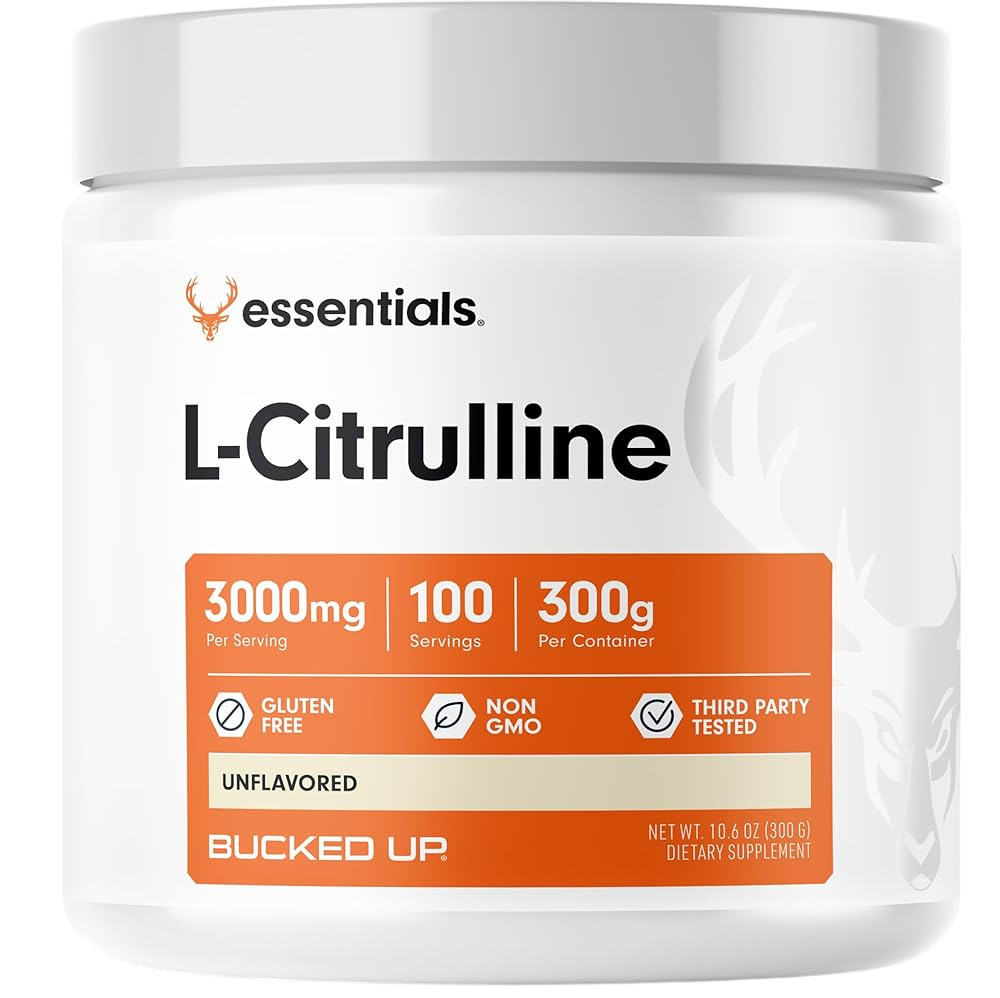
Bucked Up uses clinical doses of science-backed ingredients, including Citrulline Malate and pure L-Citrulline. Find the L-Citrulline option that matches your training goals.
2. Tart Cherry Juice: Anthocyanin-Powered Soreness Support
Tart cherry juice eases DOMS through its high anthocyanin content, which targets inflammation and oxidative stress. A 2024 RCT with 48 resistance-trained males found that 480 mL tart cherry juice twice daily for 7 days reduced DOMS by 25% at 24–48 hours post-exercise and lowered creatine kinase by 18%.
Protocol: Use 240–480 mL daily, which equals about 90–180 mg anthocyanins, for short-term post-exercise recovery. Drink a serving right after your workout and continue for 3–7 days, especially around heavy training blocks or competitions.
3. Turmeric and Curcumin: NSAID-Like Inflammation Control
A 2023 meta-analysis of 12 RCTs with 312 participants showed that turmeric and curcumin supplements reduced post-exercise muscle soreness by 16% and C-reactive protein by 22%. These results point to meaningful reductions in both pain and systemic inflammation.
Curcumin blocks inflammatory pathways in a way comparable to ibuprofen but with fewer gastrointestinal side effects. This makes it a strong choice for athletes who train hard and want to avoid long-term NSAID use.
Protocol: Take 500–2000 mg curcuminoids daily with 5–20 mg piperine to improve absorption. Use it consistently for 4–7 days before and after intense training blocks for the best results.
4. Omega-3 Fatty Acids: Ongoing Support for Muscle Pain
A 2023 systematic review and meta-analysis of 8 RCTs found that omega-3 supplementation at 2–4 g per day of EPA plus DHA for at least 7 days reduced DOMS by 20% and lowered perceived exertion after exercise. These benefits build over time with consistent intake.
The anti-inflammatory effects of omega-3s support joint comfort, muscle recovery, and overall training capacity when used regularly.
Protocol: Take 2–3 g per day of combined EPA and DHA from fish oil. Start 1–2 weeks before demanding training phases. Expect the clearest benefits after steady use rather than a single dose.
5. Epsom Salt Baths: Heat and Magnesium for Tense Muscles
Epsom salt baths help reduce pain and swelling through magnesium sulfate, while warm water supports muscle relaxation. Using two cups of Epsom salt for 15–20 minutes can increase blood flow and promote deep relaxation.
Protocol: Add 1–2 cups of Epsom salt to warm bath water and soak for 15–20 minutes after training. The mix of heat therapy and magnesium can provide fast relief from tight, overworked muscles.
6. Ginger: Fast-Acting DOMS Support
A 2024 double-blind RCT with 60 athletes reported that 2 g per day of ginger for 7 days reduced eccentric exercise-induced DOMS by 32% at 24 hours and muscle damage by 28%. Gingerol compounds in ginger drive these anti-inflammatory effects and lower TNF-α levels by about 19%.
Protocol: Use 1–2 g per day of standardized ginger extract with 5–10% gingerols, taken around hard training sessions. You can also use fresh ginger root as tea or blend it into smoothies for additional support.
The supplements above have the strongest scientific backing among natural options, with L-Citrulline at the top due to its 40% DOMS reduction and dual-action pathway. The other strategies work well alongside it and help build a complete recovery plan.
7. Active Recovery and Massage-Based Techniques
Vibrating foam rollers reduce delayed-onset muscle soreness, lower inflammatory responses, and improve performance after exercise. Standard foam rolling also helps by breaking up muscle knots, improving circulation, and increasing flexibility.
Protocol: Spend 10–15 minutes foam rolling major muscle groups 24–48 hours after your workout. Use slow, controlled movements and stay on each area for 30–60 seconds, especially on tight or tender spots.
8. Hydration and Sleep: Recovery Basics That Move the Needle
Hydration and sleep create the base for every other recovery strategy. Dehydration slows protein synthesis and makes it harder for your body to clear metabolic waste. Poor sleep disrupts growth hormone release and weakens the tissue repair processes that rebuild muscle.
Protocol: Aim for 7–9 hours of quality sleep each night and drink about 0.5–1 ounce of water per pound of body weight daily. Increase your fluid intake on heavy training days or in hot environments.
9. Watermelon: Whole-Food Source of Citrulline
Watermelon supplies natural L-Citrulline, although supplements remain more practical for clinical doses. One cup of fresh watermelon contains about 250 mg of L-Citrulline, so you would need roughly 2.2–3.3 pounds per day to match typical supplement protocols.
Protocol: Enjoy 2–3 cups of fresh watermelon after training as a refreshing, natural source of L-Citrulline. Combine it with supplemental L-Citrulline when you want to reach higher, research-backed doses.
Why Bucked Up L-Citrulline Beats Typical Recovery Remedies
Bucked Up products provide clear, clinically effective L-Citrulline doses without hiding behind proprietary blends. The 6 g and higher Citrulline Malate doses in Bucked Up and Woke AF pre-workouts, paired with Astragin® for better absorption, support stronger bioavailability than many underdosed competitors. Advanced lifters can also use Mother Bucker, which delivers 4 g pure L-Citrulline stacked with Nitrosigine® for powerful pump and performance support.
Customer feedback frequently highlights intense pumps, solid flavor profiles, steady energy, and noticeable performance improvements.
Bucked Up uses clinical doses of science-backed ingredients, including Citrulline Malate and pure L-Citrulline. Find the L-Citrulline formula that fits your training style.
Frequently Asked Questions
Is L-Citrulline the strongest natural muscle relaxer?
L-Citrulline currently offers the most significant natural DOMS reduction at about 40% in research settings. It works through nitric oxide support and ammonia clearance, which goes beyond simple inflammation control. Most natural remedies mainly target inflammation, while L-Citrulline also improves blood flow and cellular waste removal, making it a broad-spectrum recovery aid.
What is the best L-Citrulline dosage for muscle soreness?
For muscle soreness relief, use 6–8 g Citrulline Malate about 60 minutes before training, or 3–6 g pure L-Citrulline each day. Citrulline Malate adds malic acid, which supports energy metabolism, while pure L-Citrulline gives a higher amount of citrulline per gram. Doses above 10 g can cause mild stomach discomfort in some people.
Are there any L-Citrulline side effects?
L-Citrulline has an excellent safety record with very few side effects reported. Most people tolerate doses under 10 g without issues, and higher doses usually only cause mild gastrointestinal discomfort. This safety profile is far better than NSAIDs, which can increase the risk of gut damage, liver strain, and cardiovascular problems when used often.
How does L-Citrulline compare to typical pain relief methods?
L-Citrulline supports nitric oxide production naturally and avoids the health risks linked to frequent NSAID use. NSAIDs can provide faster short-term relief, but they may cause gastrointestinal damage and rebound soreness with repeated use. L-Citrulline focuses on long-term benefits by improving blood flow and cellular repair, which supports muscle health and performance over time.
What makes Bucked Up’s L-Citrulline dosing superior?
Bucked Up formulas use clinical 6 g and higher Citrulline Malate doses with Astragin® to improve absorption and support full bioavailability. Many competitors rely on proprietary blends that hide low doses, while Bucked Up lists every ingredient amount clearly. The 2:1 Citrulline to Malic Acid ratio supports both pump and energy metabolism, which creates well-rounded performance benefits.
What are the best supplements for muscle pain overall?
L-Citrulline ranks first for muscle pain support because of its 40% DOMS reduction and strong safety profile. Tart cherry juice and curcumin work well alongside it, with soreness reductions of about 25% and 16% in research. Omega-3 fatty acids add long-term anti-inflammatory support, and ginger offers fast 32% DOMS relief for acute soreness.
Conclusion: Pill-Free Recovery That Still Protects Your Gains
Natural options led by L-Citrulline can outperform NSAIDs for sustainable muscle recovery and long-term training consistency. Using these evidence-based strategies together helps you train hard, bounce back faster, and protect your health over time.
Bucked Up uses clinical doses of science-backed ingredients, including Citrulline Malate and pure L-Citrulline. Choose your L-Citrulline formula and support your best performance.