Key Takeaways
- Time carbs and protein before training to keep energy steady and protect muscle during hard sessions.
- Drink 0.5–1oz of water per pound of bodyweight daily, plus extra during workouts, and include electrolytes to reduce cramping.
- Use progressive overload and tempo work to push past plateaus with steady, controlled increases in training demand.
- Sleep 7–9 hours per night and include active recovery to support growth hormone release and faster muscle repair.
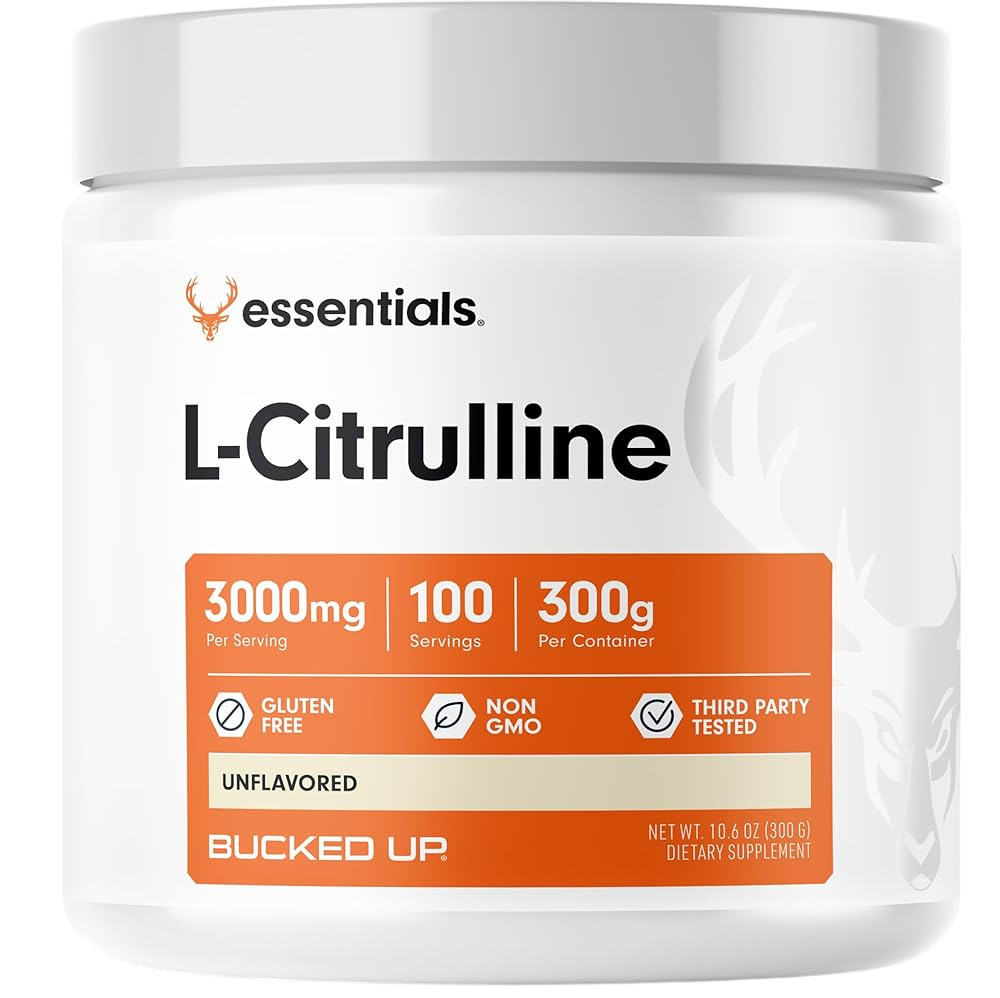
- Use 6–8g of L-Citrulline pre-workout to support nitric oxide, blood flow, and ammonia buffering, and get Bucked Up L-Citrulline to enhance pumps and endurance.1
Nutrition Strategies That Power Your Training
1. Time Carbs and Protein Before Your Workout
Pre-workout carbs give your muscles the fuel they need for intense training. A 180-pound lifter can use a serving equal to 1.5 cups of oatmeal or two large bananas to cover energy demands. Pair those carbs with protein to support muscle protein synthesis and reduce breakdown during your session. The carbs power the work, while the protein helps protect the muscle doing it.
2. Dial In Hydration and Electrolytes
Daily hydration sets the base for performance, so aim for 0.5–1oz of water per pound of bodyweight each day. Add extra water around and during training to replace sweat losses and keep performance stable. Mix a pinch of Himalayan salt into your pre-workout drink to help maintain sodium levels and reduce cramping during high-intensity sets.
3. Use L-Citrulline to Support Nitric Oxide
L-Citrulline converts to L-Arginine in the kidneys and avoids the liver breakdown that can limit other nitric oxide precursors. Research reports that citrulline malate supplementation can enhance exercise performance and recovery, with effective dosages of 6–8 grams taken 30–60 minutes before exercise.1 Track reps to failure or total volume over time to see how your body responds.
Training Tactics to Turn Fuel Into Results
4. Build Strength with Progressive Overload
Progressive overload steadily increases training demand to drive adaptations like muscle growth and neuromuscular efficiency while helping prevent plateaus. Add 5 pounds or 2 reps each week to keep progression moving, and cap total weekly increases at about 10 percent to reduce the risk of overreaching. Use the 2-for-2 rule as your decision tool: increase weight only when you perform two more reps than your target in the final set for two straight workouts. This approach helps confirm that you have adapted before you raise the load again.
5. Use Tempo and Intervals to Increase Training Density
Controlled tempo work increases time under tension and can make each rep more effective. Use a 4-second eccentric phase on the lowering portion of key lifts to challenge your muscles without changing the weight. Add simple HIIT intervals between or after strength sets, such as 30 seconds of high-intensity work followed by 90 seconds of rest. Track changes in VO2 max, work completed per session, or endurance capacity over time to see how these intervals affect your conditioning.
6. Strengthen Mind-Muscle Connection with Better Blood Flow
L-Citrulline’s pump effects do more than change appearance, because they support nutrient delivery and waste removal in working muscles.1 Gonzalez and Trexler (2020) published a paper on the effects of citrulline supplementation on exercise performance in the Journal of Strength and Conditioning Research1, adding to the evidence base for its use. Bucked Up offers science-backed formulas that include Citrulline Malate and Pure L-Citrulline, so you can choose the option that fits your training style and goals.
Recovery Essentials That Lock In Progress
7. Use Sleep to Support Growth Hormone and Repair
Consistent, high-quality sleep gives your body the recovery window it needs. Aim for 7–9 hours of sleep each night to support growth hormone peaks that occur during deep sleep, which help muscle repair and adaptation. Track simple recovery markers such as morning energy, mood, or performance in key lifts to see how sleep changes affect your training.
8. Add Active Recovery and Mobility Work
Light movement on rest days keeps blood flowing without adding heavy training stress. Use low-intensity options such as walking, easy cycling, yoga, or stretching to promote circulation. This approach can help remove metabolic waste and deliver nutrients to muscles that are still recovering from harder sessions.
9. Support Ammonia Buffering with Citrulline Malate
Citrulline Malate helps your body handle ammonia, a byproduct of intense exercise that can contribute to fatigue.1 The citrulline portion supports waste removal, while the malate portion participates in the Krebs cycle to assist energy production. Track muscle soreness, perceived exertion, or performance on repeated efforts to see how ammonia buffering support affects your training days.
Key Strategies at a Glance
Nutrition, training, and recovery work together, so each strategy builds on the others. The table below highlights core moves, when to use them, and the main benefit you can expect.
1
| Strategy | Dosage/Timing | Key Benefit |
|---|---|---|
| Pre-workout carbs | Carbs before training | Sustained energy |
| Hydration | 0.5–1oz per lb daily plus extra water during workouts | Performance support |
| L-Citrulline | 6–8g Citrulline Malate, 30–60 minutes pre-workout | Blood flow, pumps, and endurance |
| Progressive overload | About +5 lbs or +2 reps weekly, up to 10% total | Ongoing adaptation |
| Sleep | 7–9 hours each night | Hormone support and recovery |
Dosing and Safety Guidelines for L-Citrulline
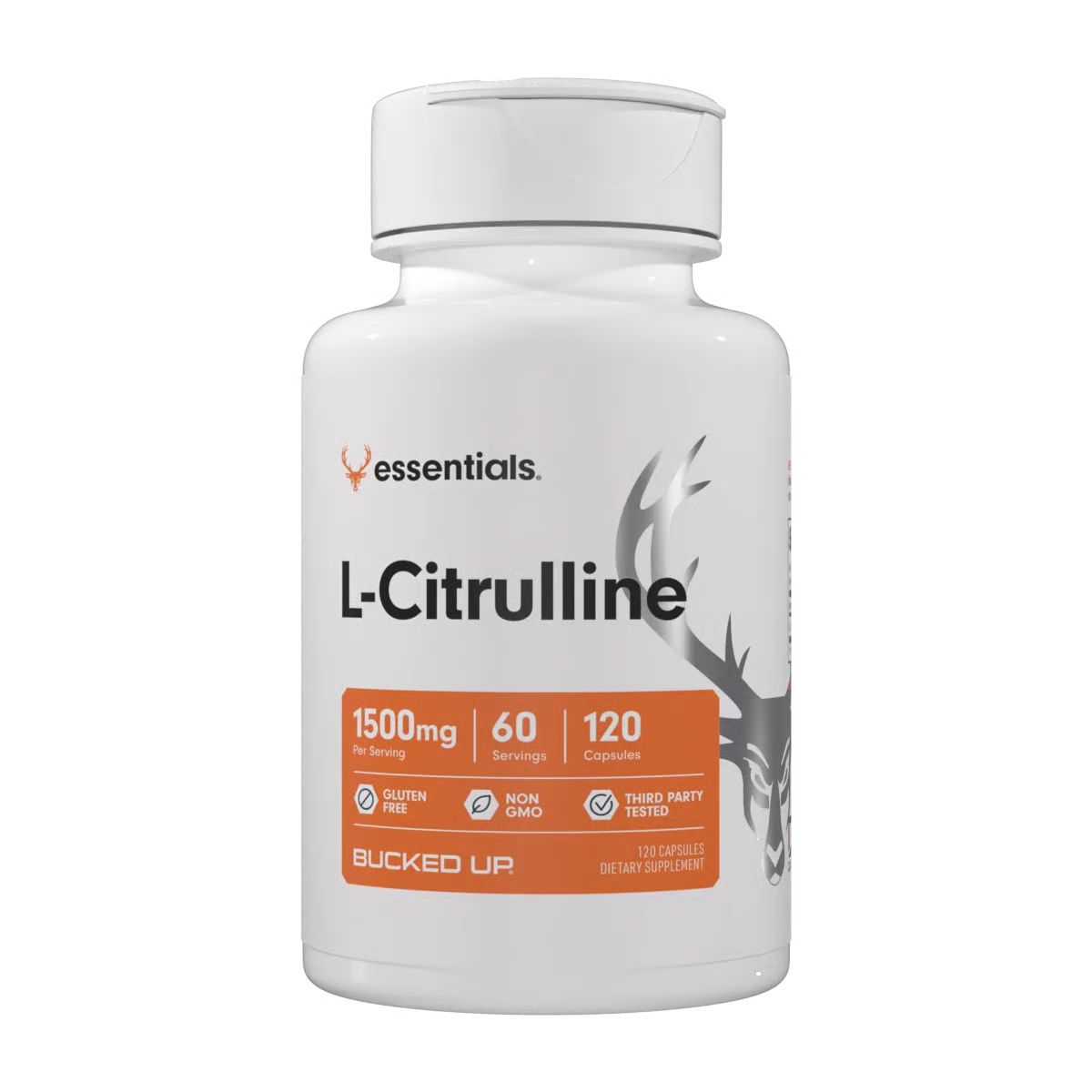
Pure L-Citrulline often falls in the 3–6g daily range for general health, with around 6g used more often for performance goals.1 Citrulline Malate typically follows the 6–8g pre-workout window discussed earlier. Start at the lower end of your chosen range to see how your body responds. Some people notice mild gastrointestinal discomfort at doses above 10g, so increase gradually if you adjust upward.1 Individuals with low blood pressure or kidney conditions should speak with a healthcare provider before using L-Citrulline. L-Citrulline and beetroot nitrates use complementary nitric oxide pathways that can support vasodilation and blood flow.1 Ready to dial in your dosage? Explore Bucked Up Citrulline Malate and Pure L-Citrulline options to match your specific performance goals.
Frequently Asked Questions
What is the best form of L-Citrulline for gym performance?
Citrulline Malate in a 2:1 ratio provides L-Citrulline for nitric oxide production and malic acid for energy metabolism support.1 The 6–8g range often appears in performance-focused research and can serve as a useful reference point.1 Pure L-Citrulline suits lifters who want maximum citrulline content without added compounds and prefer to stack ingredients on their own.
Can I stack L-Citrulline with other supplements?
L-Citrulline stacks well with beta-alanine for endurance, creatine for strength and power, and carbohydrates for sustained training energy.1 Avoid combining L-Citrulline with blood pressure medications or nitrate-based supplements without medical guidance, because the combined effects on blood pressure can be stronger than intended.
What vitamins improve stamina naturally?
B-vitamins support energy metabolism, vitamin D contributes to muscle function, and iron can reduce fatigue in people who are deficient. Many lifters notice more direct performance changes from amino acids such as L-Citrulline and beta-alanine compared with vitamins alone.1 Build a balanced diet first, then add targeted supplements based on your specific needs and lab work when possible.
How long does it take to see results from these strategies?
Acute effects from L-Citrulline and solid pre-workout nutrition often appear within 30–60 minutes of ingestion.1 Progressive overload usually produces noticeable strength or performance changes after 2–3 weeks of consistent training. Sleep and recovery upgrades can improve how you feel within a few days, while larger strength and endurance gains tend to develop over 4–8 weeks of steady application.
Is it safe to train to failure every session?
Occasional sets taken to complete muscle failure can support adaptation, but doing this every session can strain recovery and raise injury risk. Train close to failure most of the time, leaving about 1–2 reps in reserve on working sets. Save true failure for select final sets or specific training blocks, while relying on progressive overload through weight, reps, or volume for long-term progress.
1 The content provided in this article is for informational purposes only and is not medical advice. Consult with a medical professional before implementing any changes to your diet, health, or exercise routines.
Individual results will vary and are based on a combination of each individual’s diet, exercise, age, and health circumstances.
These statements have not been evaluated by the Food and Drug Administration. This product is not intended to diagnose, treat, cure or prevent any disease.
This article was written by Ryan Gardner, CEO of Bucked Up. As the maker of Bucked Up Protein Soda, we have a financial interest in this information. The views expressed are our own and should be read with that context in mind.