Written by: Ryan Gardner, Owner, Managing Partner, CEO, Bucked Up
Key Takeaways for Pre-Workout Amino Acid Dosing
-
Many pre-workout labels hide L-Citrulline doses inside proprietary blends, which prevents you from confirming researched gram amounts.
-
L-Citrulline often outperforms L-Arginine because it bypasses first-pass metabolism and delivers higher, more sustained plasma arginine for nitric oxide production.*1
-
Effective acute dosing typically uses 6–8 g Citrulline Malate 2:1 or 5.3 g pure L-Citrulline taken 45–60 minutes before training. Multi-day loading at 6 g/day pure form shows even more consistent benefits.1
-
Beta-alanine supports performance through chronic muscle carnosine saturation at 3.2–6.4 g daily for 4–8 weeks.1 Leucine and EAAs support muscle protein synthesis at roughly 2.5–4 g leucine and 15–18 g EAAs per dose.1
-
Bucked Up discloses every gram on the label and includes Astragin® to support citrulline absorption.1 Shop Bucked Up L-Citrulline to hit researched doses without guesswork.
The table below gives you a quick reference for researched dose ranges, forms, and timing for key pre-workout amino acids. You will see how to apply each line in real training scenarios as you move through this guide.
|
Ingredient |
Form |
Studied Dose Range |
Timing |
|---|---|---|---|
|
L-Citrulline (pure) |
Free-form powder or capsule |
3–6 g/day (multi-day); 5.3 g acute pre-workout |
45–60 min pre-exercise |
|
Citrulline Malate 2:1 |
Compound (citrulline + malic acid) |
6–8 g pre-workout (delivers ~3.4–4.5 g L-Citrulline) |
45–60 min pre-exercise |
|
Beta-Alanine |
Free-form |
3.2–6.4 g/day (chronic loading, 4–8 weeks) |
Daily, split doses; timing relative to training is secondary |
|
Leucine |
Free-form or from whole protein |
2.5–3 g/meal (active adults); 3–4 g/meal (heavy training) |
Per meal; ~30 g quality protein delivers 2–3 g leucine |
|
Total EAAs |
Free-form blend |
3–6 g free-form EAAs (fasted/peri-workout); response plateaus ~15–18 g |
Peri-workout or fasted window |
How This Guide Helps You Read Pre-Workout Labels
This guide explains why L-Citrulline bypasses first-pass metabolism while L-Arginine does not, and how that difference affects dosing. You will see what the dose table above means in real-world terms, how beta-alanine loading differs from acute pre-workout ingredients, and how leucine and EAA thresholds apply to resistance-trained adults. You will also get a five-point checklist you can use to evaluate any pre-workout label against those thresholds.
Why Under-Dosed Pre-Workouts Are So Common
Proprietary blends are a legal formulation choice, not automatically a fraudulent one, but they prevent you from confirming whether a dose reaches any researched threshold. Ingredient transparency is increasingly cited as a key evaluation criterion by sports nutrition researchers because chronic-loading ingredients like beta-alanine and acute vasodilatory ingredients like L-Citrulline depend on specific gram amounts. A label that discloses full gram amounts gives you what you need to judge the formula. A label that does not, cannot.
L-Citrulline vs. L-Arginine: Why Bioavailability Wins
L-Arginine is the direct substrate for nitric oxide synthase (NOS) enzymes, so many people assume direct supplementation makes the most sense. The limitation is bioavailability. Oral L-arginine bioavailability in humans shows high inter-subject variability, with reported values ranging from 21% at a 10 g dose to 68% at a 6 g dose, due to substantial first-pass extraction by intestinal and hepatic arginases. A meaningful fraction of every L-Arginine dose is degraded before it reaches systemic circulation.
L-Citrulline bypasses this limitation. It is well-absorbed from the small intestine, largely evades first-pass hepatic metabolism, and is converted to L-Arginine in the kidneys via argininosuccinate synthase and argininosuccinate lyase, delivering approximately twice the plasma arginine area under the curve compared to direct L-Arginine supplementation. The result is higher, more sustained plasma L-Arginine, which supports nitric oxide production* and, downstream, vasodilation and nutrient delivery to working muscle.
Peak plasma concentrations of L-Citrulline typically occur within 0.7 to 2 hours after ingestion. This timing explains the common recommendation to take citrulline 45 to 60 minutes before training.
How L-Citrulline Dosing Plays Out in Real Training
The acute pre-workout protocol studied most frequently uses 6–8 g of Citrulline Malate taken about one hour before exercise, with effects peaking 45–90 minutes after ingestion. For pure L-Citrulline, multi-day supplementation at 6 g/day shows more consistent benefits for exercise tolerance than single acute doses.
Bucked Up includes Astragin® across the pre-workout line. Astragin® is studied to support citrulline absorption and bioavailability,* so the grams disclosed on the label are paired with an absorption-support ingredient rather than listed in isolation.
Bucked Up promotes a science-backed approach to L-Citrulline dosing, including both Citrulline Malate and Pure L-Citrulline formats. Find the Bucked Up L-Citrulline option that fits your training style.
Three Lifter Profiles and How They Use Citrulline
Three common lifter profiles map onto the dose table above in different ways.
The Pump Chaser (roughly 150–185 lbs, training 4 days per week) wants visible vascularity and a full muscle feel during training. The 6,000 mg Citrulline Malate 2:1 dose in Bucked Up Pre-Workout and Woke AF sits at the threshold studied for supporting nitric oxide production* and muscle pump.* The Citrulline component supports vasodilation, and the Malic Acid component, a Krebs Cycle intermediate, supports the energy side of the equation.*1
The High-Tolerance Veteran (185–220 lbs, training 5–6 days per week) often has a significant stimulant tolerance and may notice that high-caffeine products create jittery energy without much pump. Woke AF pairs 333 mg of caffeine with 6,000 mg Citrulline Malate 2:1, supporting vasodilation alongside the stimulant load.*1
The Science-Based Bodybuilder (any weight, focused on dialing in every variable) wants an advanced nitric oxide stack that addresses vasodilation through multiple mechanisms rather than relying on a single pathway. Mother Bucker combines 4,000 mg Pure L-Citrulline with Nitrosigine® and Hydroprime® Glycerol, a “Pump Trifecta” that supports blood flow and cellular hydration through multiple biological pathways.*1
Choosing Between Pure L-Citrulline and Citrulline Malate
Pure L-Citrulline delivers 100% L-Citrulline per gram listed. Citrulline Malate 2:1 delivers approximately 56.6% actual L-Citrulline by weight, so an 8 g dose of the malate form delivers roughly 4.5 g of L-Citrulline. Neither form works better in every situation. The malate form adds a Krebs Cycle intermediate that may support aerobic ATP production,* while pure L-Citrulline allows precise dosing without the additional compound.1
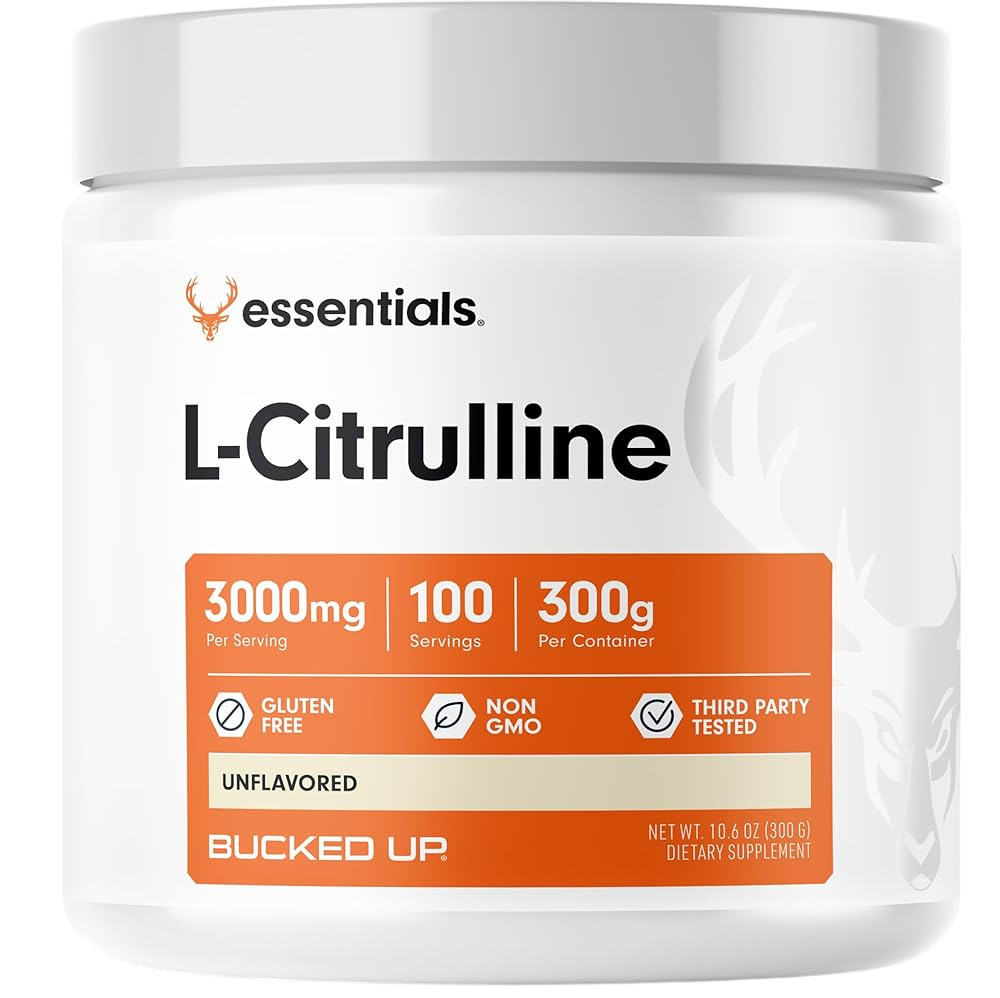
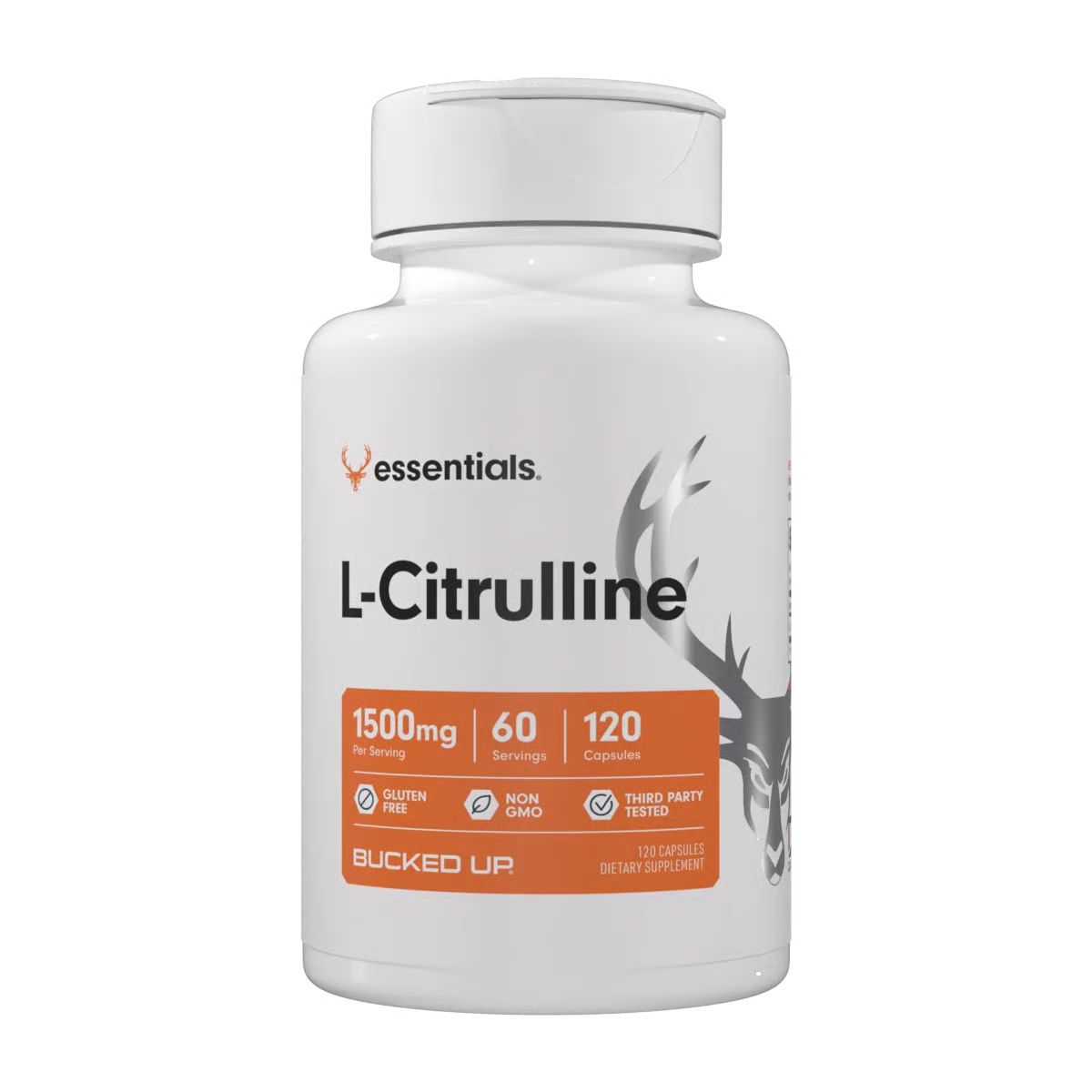
For athletes who want to stack or fine-tune their own dose, Bucked Up’s Pure L-Citrulline Powder (300 g) provides 3,000 mg per scoop in an unflavored format that mixes with any beverage. Capsule formats (1500 mg per capsule) suit those who prefer exact-count dosing without powder prep.
Five-Point Checklist for Evaluating Any Pre-Workout Label
Use this checklist before you buy a pre-workout.
First, confirm that the gram amount is disclosed. A proprietary blend listing L-Citrulline without a gram total cannot be compared to any researched threshold. Second, identify the form. “Citrulline Malate” and “L-Citrulline” are not interchangeable on a label. Six grams of Citrulline Malate 2:1 delivers about 3.4 g of actual L-Citrulline, while 6 g of pure L-Citrulline delivers 6 g.
Third, check the beta-alanine dose against the 3.2–6.4 g/day range studied for carnosine loading, and remember that full muscle carnosine saturation requires 4–6 weeks of consistent daily intake, not a single pre-workout dose. Fourth, if EAAs or leucine appear on the label, reference the dose table. Athletes in heavy training often require 3–4 g of leucine per meal to support muscle repair and growth, and the EAA anabolic response plateaus around 15–18 g of free-form EAAs.
Fifth, look for an absorption-support ingredient such as Astragin® and confirm that it is listed with a gram amount rather than hidden in a blend.
Common Misunderstandings and Practical Limits
The most common misunderstanding about L-Citrulline is that a single pre-workout dose produces the same magnitude of benefit as a multi-day loading protocol. As noted earlier, the chronic protocol at 6 g/day over multiple days produces more reliable data on exercise tolerance outcomes than acute dosing, although acute dosing still supports nitric oxide production* and muscle pump* within the training session.
The same logic applies to beta-alanine. Beta-alanine is not an acute supplement and does not produce performance effects in the moment like caffeine. It works through gradual muscle carnosine saturation over weeks of daily use. A pre-workout that includes beta-alanine contributes to your daily loading dose, but the tingling you feel is paresthesia, not a performance effect arriving in real time.
Food sources also have limits. Reaching 3 g of L-Citrulline from watermelon alone would require roughly 2.2 to 3.3 lbs of watermelon per day. A single slice of watermelon delivers only a few hundred milligrams, a fraction of the several grams used in research. Supplementation offers a more practical path to researched doses.
L-Citrulline Safety and Bucked Up Quality Standards
L-Citrulline is generally well-tolerated at doses used for performance support. L-Citrulline doses up to 15 g have been reported without adverse events in healthy adults, although gastrointestinal discomfort such as nausea, bloating, or cramps may occur at very high single doses of 10 g or more. Individuals with low blood pressure, kidney conditions, or those taking blood pressure medications, nitrate medications, or PDE5 inhibitors should consult a healthcare provider before use. Discontinue use at least two weeks before any scheduled surgery and consult your healthcare provider.
Bucked Up products are manufactured in the USA in GMP (Good Manufacturing Practices) certified facilities, which supports consistent quality and safety standards in the production process. Consult your healthcare provider before beginning any new supplement regimen.
FAQ
What is the leucine threshold for supporting muscle protein synthesis in resistance-trained adults?
Active adults aged 18–49 often require about 2.5–3 g of leucine per meal to support muscle protein synthesis, while athletes in heavy training may need 3–4 g per meal to cover elevated demands for muscle repair and growth. Approximately 30 g of high-quality animal protein supplies 2–3 g of leucine. Free-form leucine or EAA supplements can help bridge the gap in peri-workout windows, especially during fasted training sessions, where rapid amino acid delivery is the goal. The anabolic response to free-form EAAs plateaus around 15–18 g per dose, so higher amounts do not necessarily add benefit.
Does beta-alanine work acutely as a pre-workout ingredient?
Beta-alanine works through chronic muscle carnosine saturation, not through an acute mechanism triggered at the time of ingestion. Full saturation typically requires 4–8 weeks of consistent daily intake at 3.2–6.4 g per day, including rest days. The tingling sensation (paresthesia) that many people associate with beta-alanine “working” is a harmless nerve response to the dose, not a signal of performance benefit arriving in real time. Splitting the daily dose into two or three smaller servings can reduce paresthesia without reducing efficacy. Evidence most strongly supports repeated high-intensity exercise lasting about 1–4 minutes, such as high-rep sets, intervals, or circuit-style training.
Is Citrulline Malate or Pure L-Citrulline better for pre-workout use?
Neither form works better for every lifter. Citrulline Malate 2:1 delivers approximately 56.6% actual L-Citrulline by weight alongside Malic Acid, a Krebs Cycle intermediate theorized to support aerobic ATP production and ammonia clearance during high-volume training. Pure L-Citrulline delivers 100% L-Citrulline per gram listed, which makes it an efficient choice when the goal is maximizing the nitric oxide precursor load without additional compounds. Bucked Up uses Citrulline Malate 2:1 in Bucked Up Pre-Workout, Woke AF, and the Non-Stimulant Pre-Workout, and Pure L-Citrulline in Mother Bucker, where it is stacked with Nitrosigine® and Hydroprime® Glycerol for a multi-pathway approach to supporting blood flow and cellular hydration.*
How do I evaluate whether a pre-workout’s amino acid doses meet researched thresholds?
Start by confirming that gram amounts are fully disclosed on the label. A proprietary blend that lists L-Citrulline without a gram total cannot be compared to any researched threshold. Then identify the form. Six grams of Citrulline Malate 2:1 delivers about 3.4 g of actual L-Citrulline, while 6 g of pure L-Citrulline delivers 6 g.
For beta-alanine, check whether the label discloses a dose in the 3.2–6.4 g/day range and remember that the benefit accumulates over weeks, not within a single session. For EAAs and leucine, reference the dose table at the top of this guide. Finally, look for an absorption-support ingredient such as Astragin® with a disclosed gram amount, which supports the bioavailability of the citrulline dose listed.*
Conclusion: Using Disclosed Grams to Guide Your Stack
The conversation about clinical amino acid dosing in pre-workout formulas centers on one principle. Disclosed gram amounts that match researched thresholds give you the only reliable way to judge whether a formula can deliver the effects studied in the literature. L-Citrulline supports nitric oxide production* and muscle pump* through a pharmacokinetic pathway that L-Arginine cannot consistently match because of first-pass metabolism.1 Beta-alanine supports muscle endurance* through chronic carnosine loading, not acute dosing.1 Leucine and total EAAs support muscle protein synthesis* at specific per-meal thresholds that free-form supplements can help you reach in peri-workout windows.1
Bucked Up discloses every gram on the label, uses Citrulline Malate 2:1 at the 6,000 mg threshold studied for performance support in its foundational formulas, and stacks 4,000 mg Pure L-Citrulline with Nitrosigine® and Hydroprime® Glycerol in Mother Bucker for an advanced multi-pathway approach.1 Astragin® appears across the line to support citrulline absorption.*1 No proprietary blends. No dusting. Just grams on the label.
The takeaway: look for disclosed gram amounts that match researched thresholds, and consider whether your formula includes absorption support like Astragin®. Shop Bucked Up L-Citrulline to hit researched doses without guesswork.
*These statements have not been evaluated by the Food and Drug Administration. This product is not intended to diagnose, treat, cure, or prevent any disease.
References
Moinard, C., Nicolis, I., Neveux, N., Darquy, S., Bénazeth, S., & Cynober, L. (2008). Dose-ranging effects of citrulline administration on plasma amino acids and hormonal patterns in healthy subjects. British Journal of Nutrition, 99(4), 855–862. PubMed 18299255
Schwedhelm, E., Maas, R., Freese, R., Jung, D., Lukacs, Z., Jambrecina, A., Spickler, W., Schulze, F., & Böger, R. H. (2008). Pharmacokinetic and pharmacodynamic properties of oral L-citrulline and L-arginine: impact on nitric oxide metabolism. British Journal of Clinical Pharmacology, 65(1), 51–59. PMC6683098
1 The content provided in this article is for informational purposes only and is not medical advice. Consult with a medical professional before implementing any changes to your diet, health, or exercise routines. Individual results will vary and are based on a combination of each individual’s diet, exercise, age, and health circumstances. These statements have not been evaluated by the Food and Drug Administration. This product is not intended to diagnose, treat, cure or prevent any disease.
This article was written by Ryan Gardner, CEO of Bucked Up. As the maker of Bucked Up Protein Soda, we have a financial interest in this information. The views expressed are our own and should be read with that context in mind.