Key Takeaways
- Pre-workout powders outperform gym performance drinks by delivering clinical 6g+ citrulline doses for stronger muscle pumps and better endurance.
- Powders support 53% more reps and a 12% endurance boost, while many drinks cause quick energy spikes followed by crashes.
- Powders typically cost $1–$1.50 per serving compared to $3–$4 for drinks, giving you about three times more value.
- Citrulline supports nitric oxide, blood flow, and ATP production without the bloating or sugar issues common with many drinks.
- Choose Bucked Up L-Citrulline for clinical dosing that supports peak performance and real PRs.
How Performance Drinks Compare to Pre-Workout Powders
Performance drinks act as quick energy and hydration options, usually with 150–300mg caffeine, simple sugars, and basic electrolytes. Pre-workout powders focus on nitric oxide support and muscular endurance with ingredients like citrulline. This “king of NO boosters” bypasses liver breakdown, converts to arginine in the kidneys, and reaches peak plasma levels about 1–2 hours after you take it.
What We Looked At When Comparing Drinks and Powders
Seven key factors determine how well a supplement supports your training:
- Ingredient dosing, especially 6–8g citrulline for clinical benefits
- Performance evidence, such as rep increases and endurance data
- Absorption support, including ingredients like Astragin for better bioavailability
- Cost per serving over weeks and months
- Convenience and flavor preferences
- Safety profile, including blood pressure impact and crash potential
- How well it fits your tolerance and stacking strategy
Direct Comparison: Gym Performance Drinks vs Pre-Workout Powders
|
Criteria |
Performance Drinks |
Pre-Workout Powders |
|
Citrulline Dosing |
0–2g (insufficient) |
6g+ (clinical threshold) |
|
Cost Impact |
$3–$4 per serving |
$1–$1.50 per serving |
|
Performance Outcome |
Energy crash, bloating |
53% more reps, sustained pumps |
|
Absorption |
Basic formulation |
Enhanced with Astragin |
|
Customization |
Fixed formula |
Stackable, adjustable dosing |
Performance drinks pros: Portable, no mixing required, ready to drink on the go. Cons: Higher cost, underdosed active ingredients, sugar crashes, and possible bloating.
Pre-workout powders pros: Clinical dosing, better value, customizable stacks, and stronger pumps. Cons: Require mixing, and flavor preferences differ by user.
Why Pre-Workout Powder Often Beats Energy Drinks
Pre-workout powders with 6g+ citrulline malate deliver 12–15% improvements in workout volume and about 40% less muscle soreness compared to performance drinks that rely mainly on caffeine and sugar for short-lived energy. Citrulline bypasses liver metabolism, unlike arginine, and converts efficiently to nitric oxide in the kidneys. The malate component supports the Krebs cycle and ATP production, which explains why Bucked Up’s 2:1 citrulline malate ratio supports both pumps and endurance without the crash that often follows high-sugar drinks.
Reddit users frequently report that powders fix “flat pump” issues and digestive discomfort that show up with many ready-to-drink options. These benefits appear most often when users take clinical doses of 6–8g citrulline about 30–45 minutes before training.
Choosing Between Drinks and Powders Based on Your Goals
Training for Strength and Bigger Pumps
Pre-workout powders with 6g+ citrulline malate support maximum muscle pumps and strength gains by reaching the clinical threshold for nitric oxide support. Evening lifters often prefer non-stimulant formulas that use pure citrulline so they avoid caffeine interfering with sleep.
Training for Endurance and High Volume
High-volume training calls for steady energy and better ammonia buffering. Citrulline malate supports both nitric oxide production and the Krebs cycle through its malic acid component. This combination supports longer, more productive sessions more effectively than the quick spikes from many performance drinks.
Lifting With High Blood Pressure in Mind
People with elevated blood pressure may benefit from citrulline’s vasodilatory effects, although anyone on blood pressure medication should use caution. High caffeine and sodium content in many performance drinks can worsen hypertension. Citrulline, by contrast, supports healthy blood pressure through improved endothelial function.
|
Training Goal |
Performance Drinks |
Pre-Workout Powders |
Bucked Up Recommendation |
|
Strength/Pumps |
Insufficient citrulline |
6g+ citrulline malate |
Bucked Up (6g citrulline malate) |
|
High-Volume |
Higher energy crash risk |
Sustained ATP support |
Woke AF (333mg caffeine + citrulline) |
|
Advanced Athletes |
Limited customization |
Stackable compounds |
Mother Bucker (4g pure citrulline + Nitrosigine) |
Long-Term Value: Cost, Tolerance, and Consistency
A 30-serving tub of quality pre-workout powder usually costs about $30, or roughly $1 per serving. Comparable performance drinks often cost $3–$4 each, which adds up to $90–$120 per month. This 300% cost difference becomes a major factor for anyone who trains consistently.
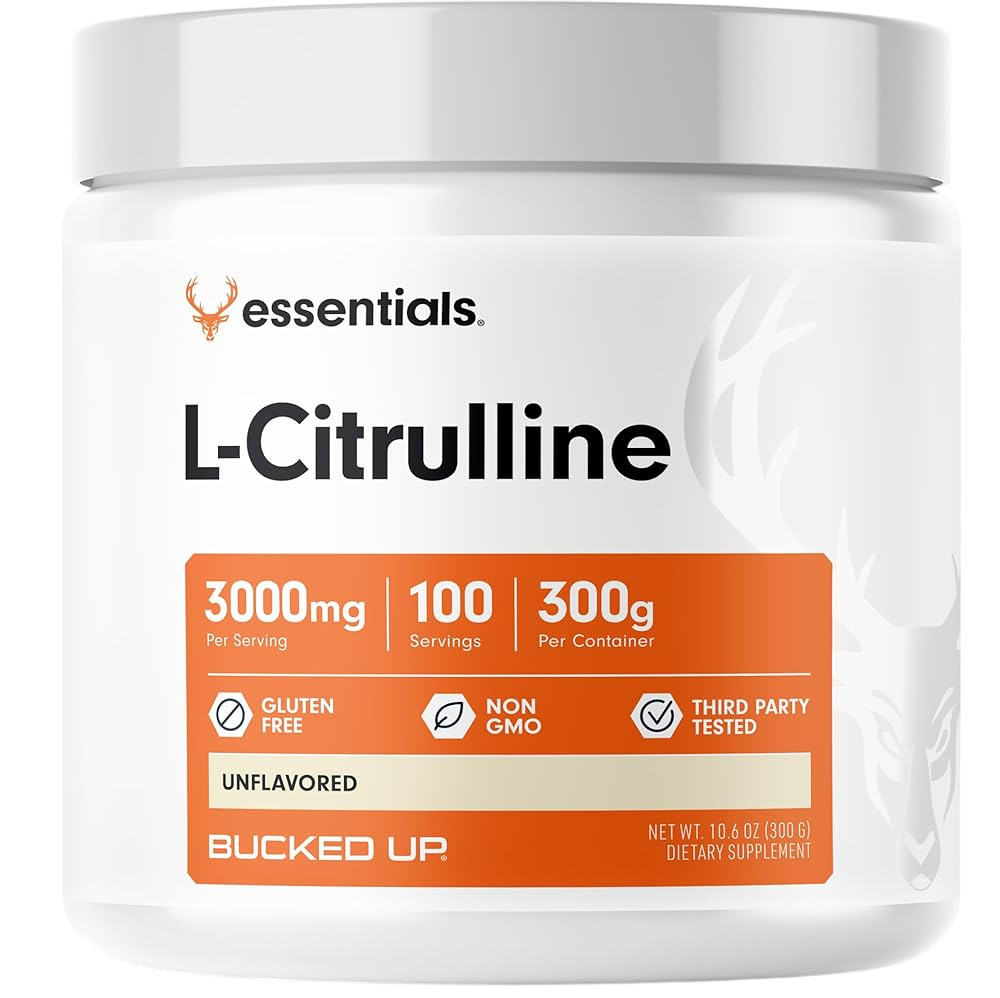
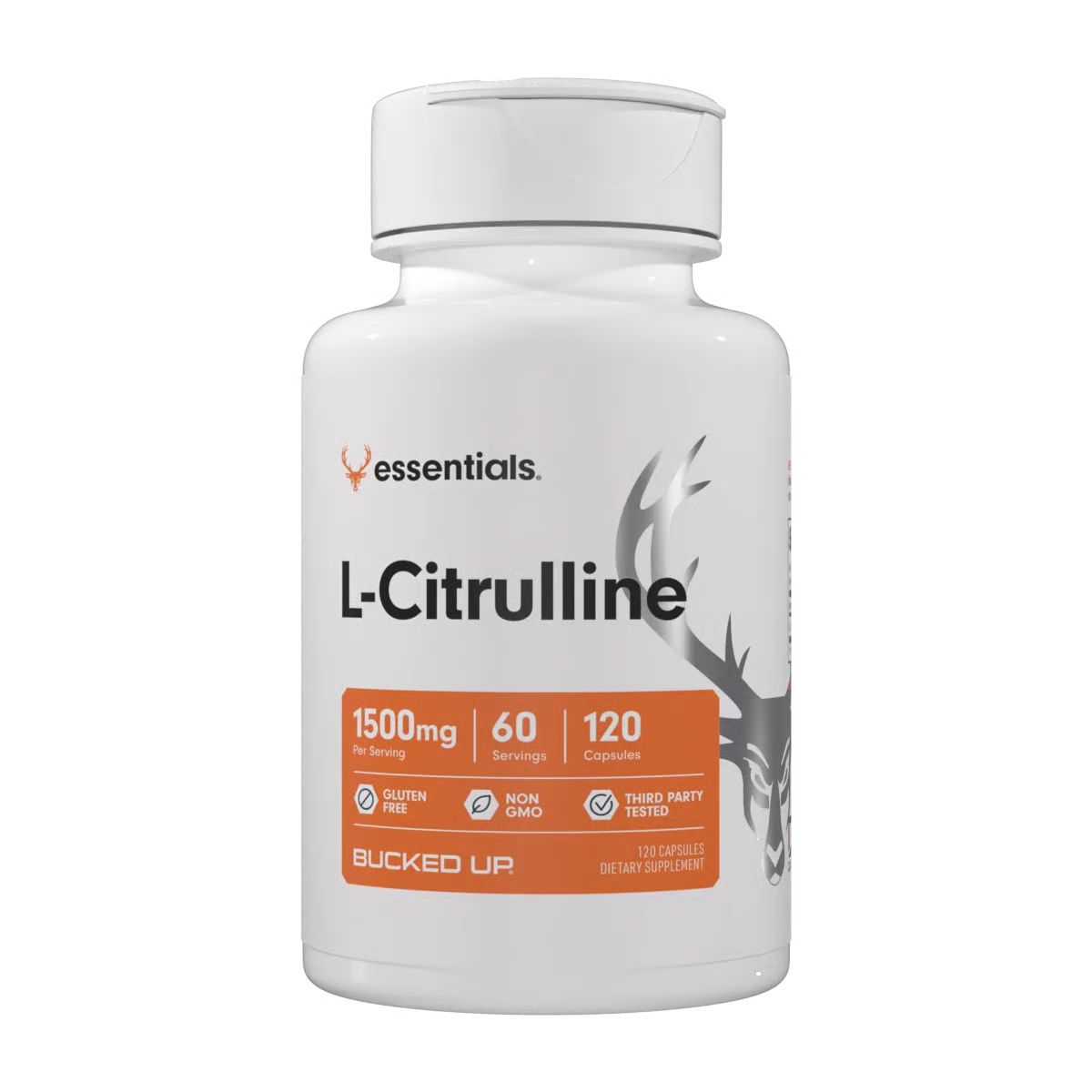
Tolerance tends to build more slowly with powders because you can cycle ingredients and rotate formulas. Bucked Up promotes clinical dosing of science-backed ingredients, including Citrulline Malate and Pure L-Citrulline, so you can choose the L-Citrulline option that best supports your performance goals.
Safety profiles generally favor powders that feature citrulline, which supports cardiovascular health by improving blood flow. High-caffeine drinks, in contrast, may cause jitters, rapid heart rate, or hard crashes.
Why Bucked Up Powders Often Beat Performance Drinks
Use the following points to decide between performance drinks and pre-workout powders:
- Training goals: Strength and pumps call for clinical citrulline doses of at least 6g.
- Budget: Powders typically deliver about three times more value per serving.
- Health: Citrulline supports cardiovascular function instead of stressing it.
- Performance: Proper dosing can support 53% more reps and about 12% better endurance.
Evidence strongly favors pre-workout powders over performance drinks for lifters who want serious pumps and real progress. Bucked Up leads this category with transparent labels, clinical 6g+ citrulline malate dosing, and Astragin for improved absorption. User feedback often mentions “crazy pumps” and new PRs after switching from underdosed drinks to well-formulated powders.
Recommended options include Bucked Up for beginners who want 200mg caffeine and 6g citrulline malate. Woke AF suits high-stimulant users with 333mg caffeine while still supporting pump benefits. Mother Bucker fits advanced athletes who want maximum performance from pure citrulline and Nitrosigine stacking.
FAQ: Pre-Workout Powder vs Energy Drinks
Does pre-workout help gym performance?
Pre-workout powders with clinical citrulline doses of 6–8g can significantly improve gym performance by increasing nitric oxide, enhancing blood flow to muscles, and supporting ATP production. Studies show up to 53% more repetitions to failure and about 12% longer time-to-exhaustion compared to placebo. Proper dosing makes the difference, and most performance drinks do not contain enough active ingredients to deliver these measurable benefits.
Can I use pre-workout with high blood pressure?
Citrulline-based pre-workouts may support people with high blood pressure because this amino acid widens blood vessels and improves endothelial function. High-caffeine formulas still require caution, and anyone with cardiovascular issues should talk with a physician before using any supplement. Clinical trials show that citrulline doses of 6g+ can help lower blood pressure, which may make citrulline-focused powders a safer option than many high-stimulant energy drinks.
What do Reddit users say about pre-workout vs energy drinks?
Reddit fitness communities often favor pre-workout powders over energy drinks for better pumps and more stable energy. Common complaints about drinks include “flat pumps,” stomach discomfort, and high per-serving cost. Many users report that switching to powders with at least 6g citrulline removes these issues and delivers better vascularity and endurance during training.
How much citrulline should I take for best results?
For strong performance benefits, take 6–8g citrulline malate or 3–6g pure L-citrulline about 30–60 minutes before training. These ranges match the clinical threshold for nitric oxide support and muscular endurance improvements. Citrulline malate adds malic acid for extra ATP support, while pure citrulline offers maximum nitric oxide potential when you stack it with other pump ingredients.
Are pre-workout powders safe for daily use?
Most people can use pre-workout powders safely on a regular basis when they follow label directions. Citrulline has an excellent safety record even at relatively high doses. Caffeine tolerance can be managed by cycling intake or choosing stimulant-free formulas. Quality powders focus on performance ingredients with established safety data instead of relying on heavy sugar and artificial additives. Anyone with medical conditions or prescriptions should still consult a healthcare professional before starting a new supplement.
Conclusion: Why Powders Win for Serious Lifters
The comparison between gym performance drinks and pre-workout powders clearly favors powders for lifters who want real pumps and new PRs. Clinical citrulline dosing, stronger cost-effectiveness, and documented performance benefits make pre-workout powders a smarter choice than convenient but often underdosed performance drinks. Bucked Up’s focus on transparent formulas, clinical dosing, and absorption support positions these powders as a premium option for lifters who want to move steadily toward their training goals.