Last updated: April 22, 2026
Key Takeaways
- Pre-workout powders provide higher doses of key ingredients like 6–8g L-Citrulline Malate and beta-alanine, which support more reps and better endurance than most gym drinks.1
- Gym performance drinks offer grab-and-go convenience with 150–300mg caffeine and electrolytes, but their fixed, lower dosing limits sustained performance benefits.1
- Powders allow customizable dosing, longer-lasting effects, and better long-term value per serving compared to most ready-to-drink options.1
- Research shows L-Citrulline in powders can reduce muscle soreness and support strength gains at doses that typical drinks do not provide.1
- Choose Bucked Up L-Citrulline when you want precise, research-aligned dosing to support your gym performance.1
How Key Ingredients and Dosing Differ Between Drinks and Powders
To understand why pre-workout powders often deliver stronger performance support, look at the actual ingredient doses in each format.1 The fundamental difference between gym performance drinks and pre-workout powders lies in their ingredient concentrations and formulation approaches. Pre-workout supplement powders commonly include caffeine at doses ranging from 150mg to 350mg per serving, while typical energy drinks contain 100–200mg caffeine with added sugars for immediate energy.1
| Ingredient | Typical Gym Drinks | Typical Pre-Workout Powders | Research Notes |
|---|---|---|---|
| Caffeine | 150–300mg | 150–300mg | Most averaging around 250mg per serving |
| L-Citrulline | Minimal to none | 6g+ pure L-Citrulline | Doses used in research support more reps and better endurance1 |
| Beta-Alanine | None | 3.2–6.4g | 3.2–6.4g daily for muscular endurance1 |
| Electrolytes | Sodium, potassium focus | Variable inclusion | Primary in drinks, secondary in powders |
L-Citrulline shows the clearest dosing gap between drinks and powders. This amino acid converts to arginine in the kidneys through the urea cycle and avoids the liver breakdown that limits direct arginine supplementation. Research demonstrates performance improvements at the doses referenced earlier1, but reaching those levels with drinks would require consuming large amounts of watermelon every day.
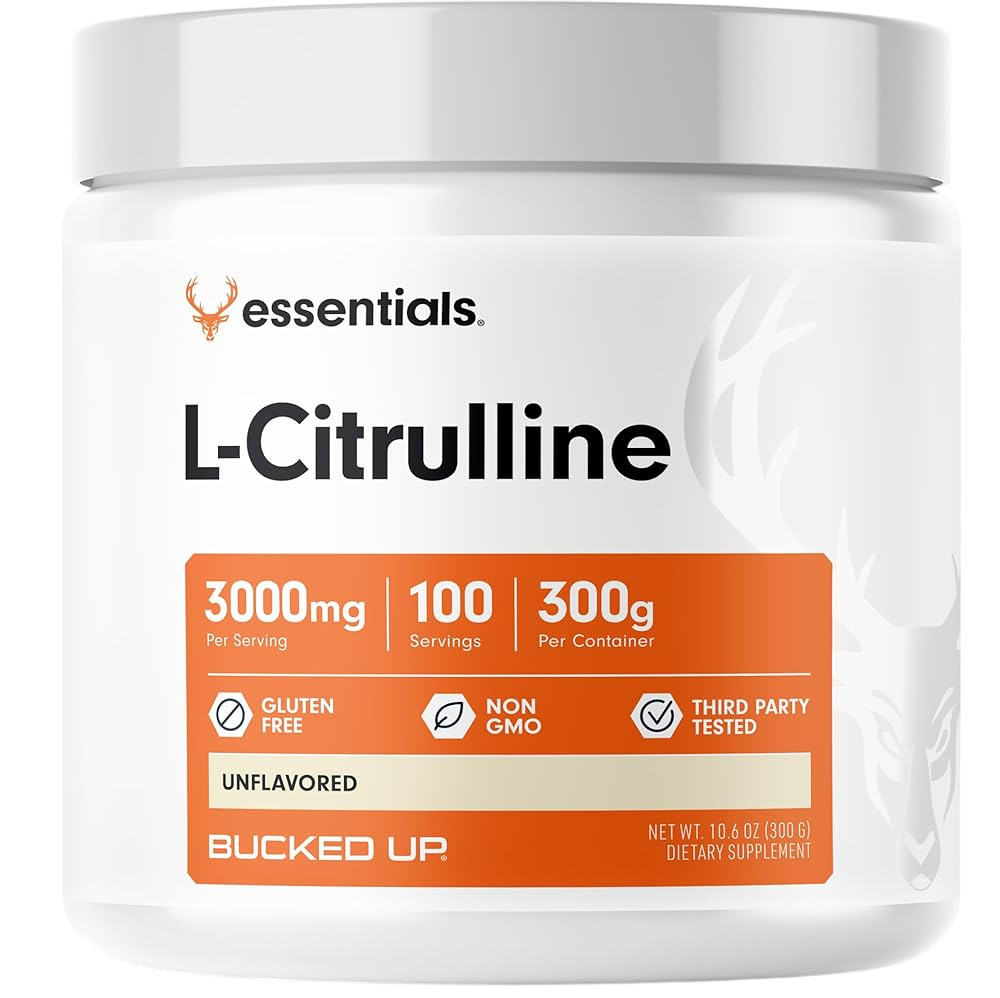
Bucked Up addresses this limitation with precise formulations. Bucked Up and Woke AF pre-workouts each include 6g Citrulline Malate, while Mother Bucker combines 4g pure L-Citrulline with Nitrosigine and AstraGin to support absorption and advanced performance outcomes.1
Pros and Cons of Gym Drinks vs Pre-Workout Powders
Each format brings specific strengths and tradeoffs that affect training results and daily use. Pre-workout powders support customizable dosing and sustained performance, while gym performance drinks focus on convenience and fast hydration.1
| Factor | Gym Drinks Pros/Cons | Pre-Workout Powders Pros/Cons | Evidence |
|---|---|---|---|
| Convenience | Pro: Ready-to-drink, portable | Con: Requires mixing, preparation | Immediate consumption vs 30–60 minute timing |
| Dosing Control | Con: Fixed ingredient amounts | Pro: Adjustable serving sizes | Powder allows half-scoops for tolerance |
| Performance Duration | Con: Short-lived effects | Pro: Sustained L-Citrulline effects | Research supports meaningful reductions in post-workout soreness1 |
| Ingredient Potency | Con: Limited space for high doses | Pro: Higher dosing possible | 6–8g Citrulline Malate common in powders |
The sustained performance support from pre-workout powders comes from their ability to deliver research-aligned doses of key ingredients.1 Studies link proper L-Citrulline dosing with the soreness reductions mentioned earlier1, which remain difficult to match with many ready-to-drink products because of volume and stability limits.
How These Products Affect Gym Performance
Research highlights clear performance differences between pre-workout powders and gym performance drinks across strength and endurance measures.1 Zhao and Zhai’s 2026 meta-analysis found nutritional supplementation significantly improved muscle strength with SMD 0.43 compared to placebo, with caffeine supplementation in particular supporting strength performance.1
Pre-workout powders support resistance training by pairing L-Citrulline and beta-alanine at effective doses.1 Nitric oxide support from adequate Citrulline intake can help increase repetitions to failure and power output during multi-set protocols.1 Beta-alanine buffers lactic acid and delays fatigue during high-intensity exercise, and nitric oxide boosters like Citrulline support oxygen delivery and muscle pumps.1
Gym performance drinks support rapid hydration and quick energy through caffeine and electrolytes, which works well when you need something fast.1 Their effects usually stay short term, since they rarely include the higher doses of performance ingredients that support sustained muscle oxygenation and endurance.1 Bucked Up’s specialized stacks aim to cover both quick energy and longer-lasting performance through ingredient combinations designed for pump and endurance.1
Safety, Side Effects, and Who Should Be Cautious
Both formats can fit safely into many routines, but pre-workout powders often provide better control over dosing. Caffeine, beta-alanine, and Citrulline show strong safety profiles in healthy adults at recommended doses, and long-term use appears safe for most people aside from potential caffeine tolerance.
Common side effects include caffeine-related jitters, anxiety, or sleep disruption when taken too late in the day.1 Beta-alanine can cause harmless, temporary tingling sensations called paresthesia that usually fade within 30–60 minutes.1 L-Citrulline tends to be well tolerated at recommended doses, with few adverse effects reported.1
People with hypotension, cardiovascular conditions, or those taking antihypertensive medications should talk with a healthcare provider before using these products. Those with cardiovascular conditions, high blood pressure, or kidney disease should consult healthcare providers before using pre-workout supplements. Pre-workout powders can make it easier to adjust serving size and manage individual sensitivities compared to fixed-dose drink formulations.
Cost, Convenience, and Which Format Fits Your Routine
Long-term cost comparisons often favor pre-workout powders, even though a tub can cost more upfront. Ready-to-drink options usually cost more per serving than quality pre-workout powders when you look at months of consistent use.
| Metric | Gym Drinks | Pre-Workout Powders | Notes |
|---|---|---|---|
| Cost per serving | Higher | Lower | Varies by brand and purchase quantity |
| Shelf stability | 6–12 months refrigerated | 2+ years dry storage | Powders favor bulk purchasing |
| Portability | High, no mixing required | Moderate, requires water or shaker | Consider travel and gym bag space |
| Customization | None, fixed formulation | High, adjustable doses | Half-scoops and stacking options |
Scenario-based choices can simplify the decision. Gym performance drinks fit busy mornings or commutes when you need something you can open and drink immediately. Pre-workout powders work well for planned training sessions when you want to prioritize performance and can mix a scoop 30–60 minutes before lifting.
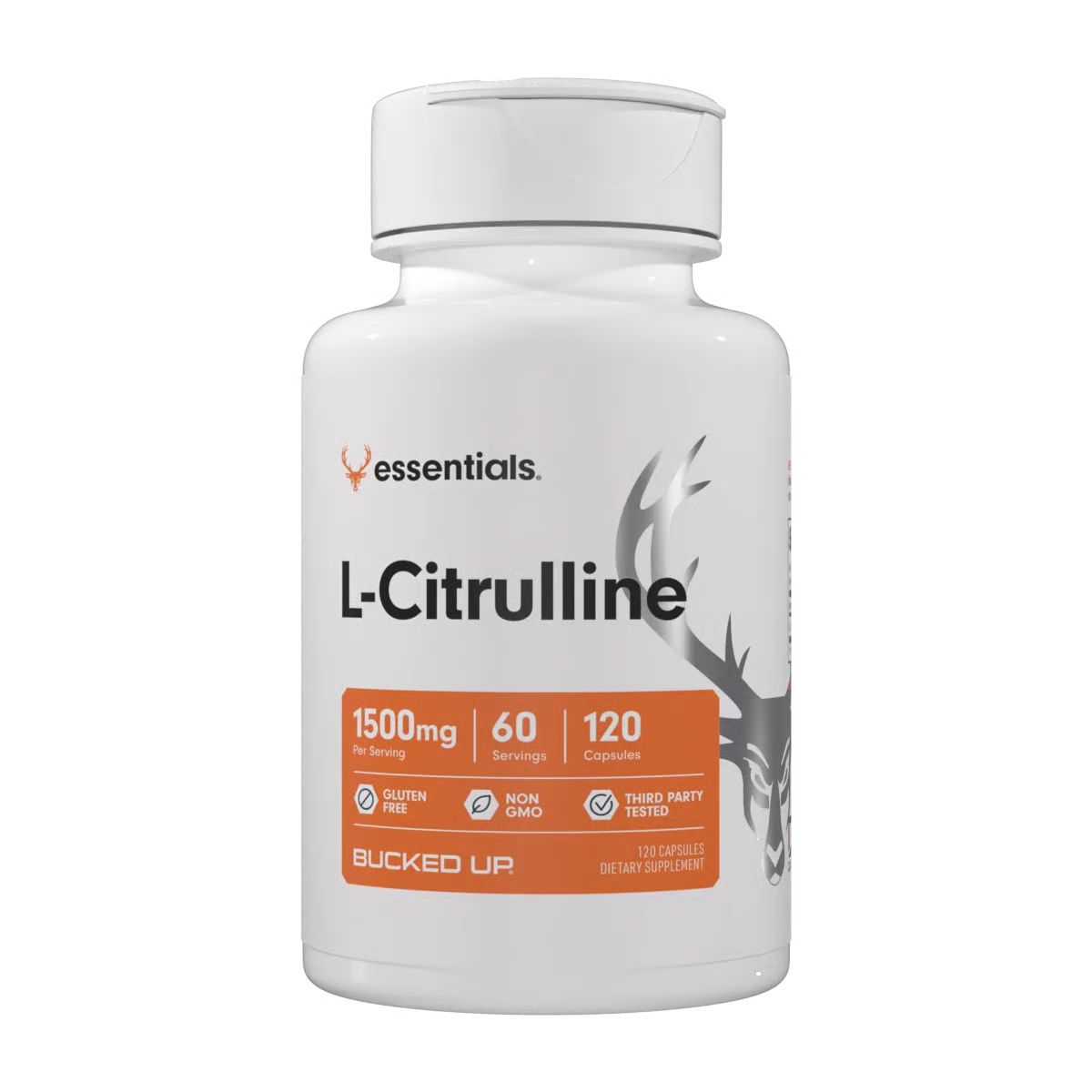
For lifters who focus on performance and value, choosing a powder with clearly labeled L-Citrulline can make a difference. Explore Bucked Up’s L-Citrulline options to match your training goals and budget.
The Verdict: When Pre-Workout Powders Can Stand Out
Pre-workout powders can offer strong advantages for gym performance through research-aligned L-Citrulline dosing, customizable formulas, and longer-lasting effects. Delivering 6–8g Citrulline Malate alongside beta-alanine and planned caffeine intake creates a performance stack that many ready-to-drink products do not match. Bucked Up’s transparent labels and ingredient dosing highlight how the powder format can support measurable performance outcomes.
FAQ
Are pre-workout powders better than energy drinks?
Pre-workout powders typically support performance with higher doses of key ingredients like L-Citrulline, beta-alanine, and adjustable caffeine. The powder format allows dosing that supports sustained muscle pumps, improved oxygen delivery, and reduced fatigue compared to the quick energy and potential sugar crashes associated with many energy drinks.1
Is it safe to use pre-workout supplements with high blood pressure?
People with high blood pressure should talk with their healthcare provider before using pre-workout supplements, especially those containing L-Citrulline, which may lower blood pressure.1 This effect can help some individuals but may interact with antihypertensive medications or cause excessive blood pressure reduction in others. Medical guidance helps ensure safe use based on personal health status and current prescriptions.
Can I take pre-workout supplements while on semaglutide?
Anyone taking semaglutide or other GLP-1 agonist medications should consult their prescribing clinician before adding pre-workout supplements. These medications can affect digestion, blood sugar, and cardiovascular function, which may interact with stimulants and other pre-workout ingredients. Professional guidance helps prevent conflicts with diabetes management or weight loss plans.
Which is better for gym performance: pre-workout powders or energy drinks?
Pre-workout powders generally provide more targeted support for gym performance because they are formulated specifically for exercise. They often include higher doses of L-Citrulline for pumps, beta-alanine for endurance, and planned caffeine levels for sustained energy.1 Energy drinks focus mainly on quick stimulation through caffeine and sugar and usually do not include the same range of ingredients that support strength, power, and recovery during intense training.
What is the optimal dosing and timing for L-Citrulline supplementation?
Research supports 6–8g of Citrulline Malate or 3–6g of pure L-Citrulline taken 30–60 minutes before exercise for performance benefits.1 This timing supports absorption and conversion to arginine in the kidneys, which helps maximize nitric oxide production during training.1 Daily use can support high-volume training blocks, while single pre-workout doses work well for individual sessions.
The choice between gym performance drinks and pre-workout powders depends on your priorities, schedule, and training style. Scientific evidence often favors powder formulations when the goal is performance-focused dosing and sustained effects.1 Drinks deliver unmatched convenience for quick energy, while pre-workout powders provide the ingredient levels many lifters look for when chasing strength, endurance, and recovery. Bucked Up’s focus on transparent labeling and science-backed L-Citrulline formulations can stand out for intermediate and advanced lifters who want clear information and measurable progress.1
1 The content provided in this article is for informational purposes only and is not medical advice. Consult with a medical professional before implementing any changes to your diet, health, or exercise routines.
Individual results will vary and are based on a combination of each individual’s diet, exercise, age, and health circumstances.
These statements have not been evaluated by the Food and Drug Administration. This product is not intended to diagnose, treat, cure or prevent any disease.
This article was written by Ryan Gardner, CEO of Bucked Up. As the maker of Bucked Up Protein Soda, we have a financial interest in this information. The views expressed are our own and should be read with that context in mind.