Last updated: April 22, 2026
Key Takeaways for Beginner L-Citrulline Use
- Beginner athletes can start with 2–3 grams of pure L-Citrulline or 4–6 grams of Citrulline Malate to reduce bloating and digestive issues.1
- Take L-Citrulline 30–60 minutes before training with 8–12oz of water to support nitric oxide production and muscle pumps.1
- Follow a 4-week progression: in Week 1 assess tolerance, then gradually increase to 3–4 grams pure or 6–8 grams malate by Week 4.
- Watch for side effects like nausea or headaches. Adjust by lowering the dose, hydrating, or taking with food, and avoid mixing with blood pressure medications without medical guidance.1
- Track reps, endurance, and pump quality to measure progress.1 Bucked Up’s pure L-Citrulline can support controlled, beginner-friendly dosing.
L-Citrulline Basics for New Lifters
L-Citrulline is a non-essential amino acid that the kidneys convert into L-Arginine. Unlike direct arginine supplementation, L-Citrulline bypasses first-pass metabolism in the gut and liver. This pathway supports more reliable nitric oxide production.1
Two primary supplemental forms exist: pure L-Citrulline and Citrulline Malate, which usually appears in a 2:1 ratio with malic acid. Citrulline Malate combines L-Citrulline with malic acid and may support ATP production and muscular endurance beyond pure L-Citrulline.1
Understanding these forms helps you choose the right option for your goals, but safety always comes first. Before starting any L-Citrulline protocol, beginner athletes should talk with a healthcare provider, especially when taking medications for blood pressure or other cardiovascular conditions. L-Citrulline promotes vasodilation through nitric oxide production, which can enhance the effects of antihypertensive medications and contribute to excessive blood pressure lowering.1 Adequate hydration also matters because higher nitric oxide activity relies on sufficient fluid intake.
Step-by-Step Beginner Protocol for Taking L-Citrulline
Use this step-by-step plan to bring L-Citrulline into your routine in a controlled, beginner-friendly way.
Step 1: Start with Conservative Dosing
Begin with 2–3 grams of pure L-Citrulline or 4–6 grams of Citrulline Malate. Mito Health recommends taking Citrulline Malate 30–60 minutes before exercise for acute performance effects.1 This conservative starting dose lets your digestive system adapt while still delivering noticeable training support.1
Step 2: Pick the Form That Fits Your Routine
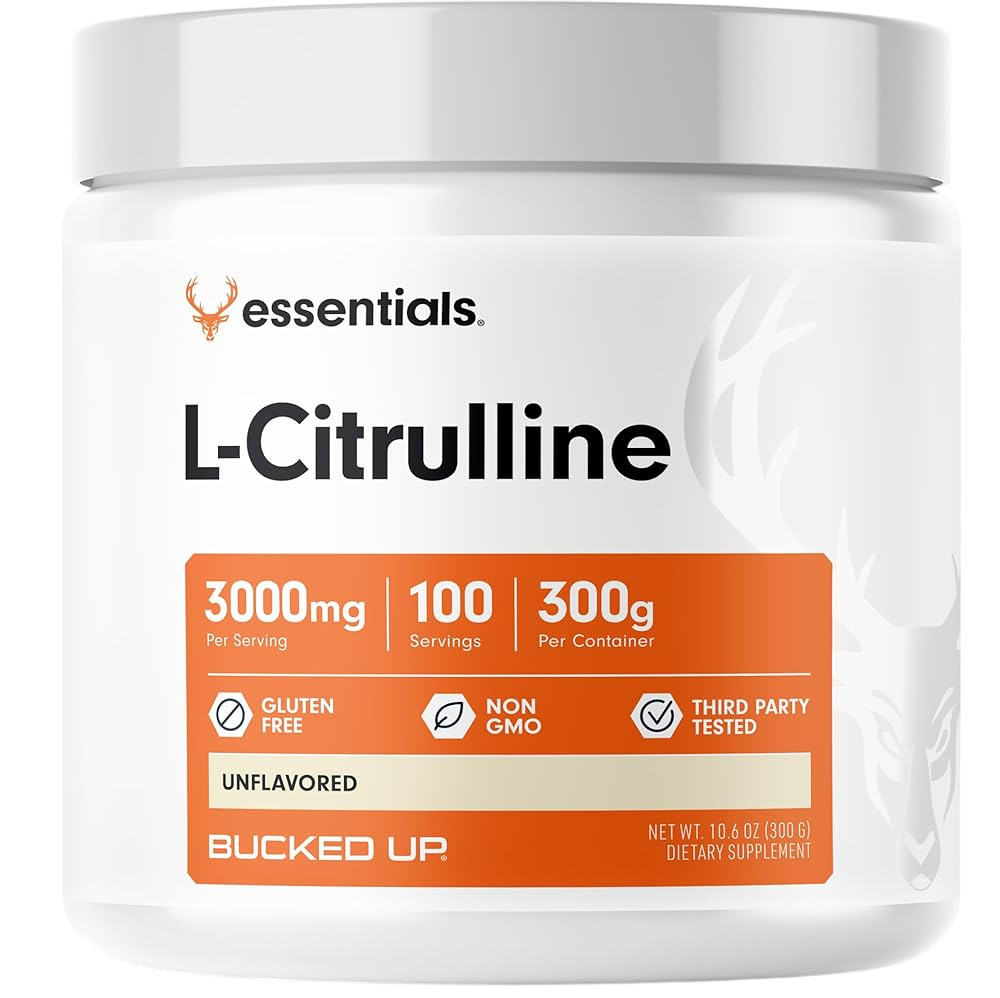
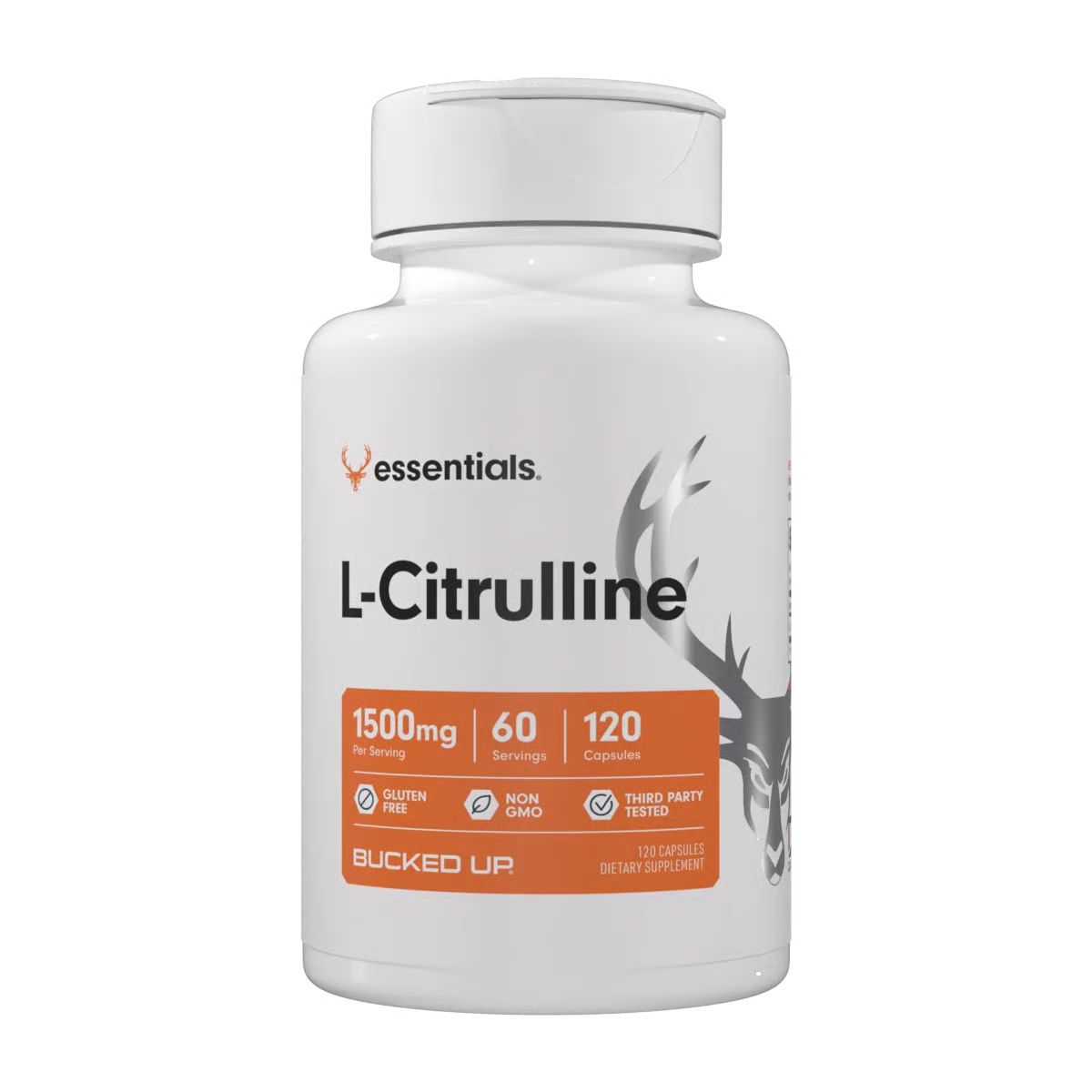
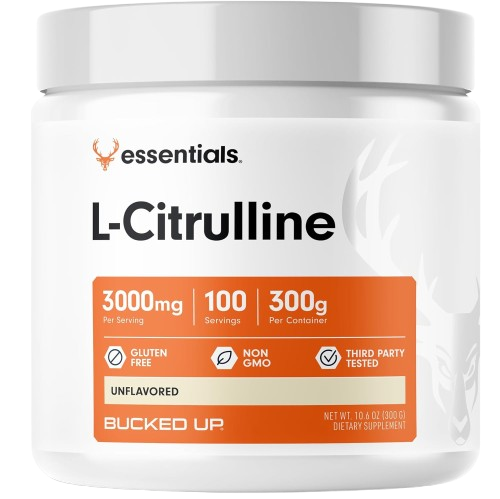
Pure L-Citrulline gives you precise control over each gram you take. Citrulline Malate adds malic acid, which can support energy production.1 Bucked Up offers both powder and capsule forms, so you can match dosing flexibility with your convenience preferences.
Step 3: Time Your Intake Around Training
Peak plasma concentrations usually occur about 1–2 hours after ingestion. Take your L-Citrulline dose 30–60 minutes before training so blood levels rise during your workout.
Step 4: Mix and Take It Correctly
Mix powder with 8–12 ounces of room-temperature water for smooth digestion. Avoid hot liquids, because heat can damage the amino acid structure. Take capsule forms with enough water to support proper breakdown and absorption.
Step 5: Log Performance and Side Effects
Track your workouts and note changes in repetitions, endurance, and muscle pump.1 A 2010 study by Pérez-Guisado and Jakeman reported that Citrulline Malate supplementation increased bench press repetitions by 52% compared to placebo.1 Use a simple log to document any side effects so you can adjust your dose if needed.1
Step 6: Progress Your Dose Week by Week
Increase your dose gradually each week so your body can adapt. This structured progression helps limit digestive discomfort while supporting performance gains.1 The table below outlines a conservative 4-week progression that slowly increases dosage and adds training frequency, giving your body time to adjust at each stage.
Step 7: Add Safe Stacks After You Build Tolerance
After you feel comfortable with L-Citrulline alone, you can explore combinations with other performance ingredients. Bucked Up pre-workout formulas include ingredients such as Beta-Alanine and AstraGin, which can support training volume and ingredient absorption.1
| Week | Pure L-Citrulline (g) | Citrulline Malate (g) | Workout Days | Notes |
|---|---|---|---|---|
| 1 | 2 | 4 | Mon/Wed/Fri | Assess tolerance |
| 2 | 2.5 | 5 | Mon/Wed/Fri | Monitor pump effects1 |
| 3 | 3 | 6 | Mon/Wed/Fri/Sat | Add fourth workout day |
| 4 | 3–4 | 6–8 | Daily or workout days | Transition to maintenance |
Beginner Dosing, Timing, and Practical Considerations
Dosing strategies depend on your goals and body weight. For athletes around 150 lbs, starting with 2–3 grams of pure L-Citrulline usually provides a solid introduction. Daily intake of 3–5 grams of L-Citrulline often supports cardiovascular health, which differs from single pre-workout doses focused on acute performance.1
| Dosing Strategy | Pros | Cons | Bucked Up Example |
|---|---|---|---|
| Daily (3–6g) | More consistent levels, potential cardiovascular support | Higher cost, possible tolerance over time | Non-Stim Pre-Workout |
| Workout Days Only | More budget-friendly, focused performance boost | Less ongoing baseline support | Bucked Up Pre-Workout |
Research indicates that L-Citrulline use over several days can improve performance on high-intensity exercise tests1, so both daily and workout-only strategies can fit, depending on your priorities.
Side Effects and Troubleshooting for New Users
Most beginners handle L-Citrulline well when they follow conservative dosing. Citrulline Malate is generally well tolerated at recommended doses, although mild gastrointestinal discomfort can appear at higher intakes.1 Common issues include mild nausea, bloating, or headaches when the dose exceeds your personal tolerance.1
If you notice digestive discomfort, cut your dose by 25–50% and take it with food to slow absorption. Digestive issues usually relate to dose, while headaches often point to hydration. Increased nitric oxide activity requires enough fluid, so drink 8–12oz of water with your serving. Combining L-Citrulline with phosphodiesterase-5 inhibitors can cause a large and potentially dangerous drop in blood pressure because of overlapping vasodilation.
Use extra caution if you take antihypertensive medications, nitrate medications, or PDE5 inhibitors, and avoid L-Citrulline without medical supervision in these cases. Many athletes also use cycling plans such as 4–8 weeks on and 1–2 weeks off to help maintain sensitivity and perceived effectiveness.
Tracking Progress: What to Measure and Why
Beginner athletes often notice changes within 1–4 weeks of consistent L-Citrulline use. Research linking L-Citrulline to higher repetition counts during resistance training makes total reps completed a primary progress marker.1 Track total repetitions, then pair that data with perceived exertion and recovery between sets to build a fuller picture of performance.
Also monitor pump quality, workout duration before fatigue, and post-exercise soreness.1 Focusing on one major change at a time, such as adding only L-Citrulline while keeping the rest of your stack stable, helps you see how this single ingredient affects your training.
Next-Level Stacks for Confident Beginners
After you tolerate basic L-Citrulline dosing and see stable results, you can move into more advanced formulations. One example is Bucked Up’s Mother Bucker, which includes 4 grams of pure L-Citrulline combined with Nitrosigine to support vasodilation.1 If you are ready to progress, explore Bucked Up options that pair L-Citrulline with complementary performance ingredients.
Some athletes also use periodization by rotating forms and dosages every 4–6 weeks. This approach can help maintain perceived effectiveness and keep your training stimulus fresh.
Frequently Asked Questions
How much L-Citrulline per day should beginners take?
Beginners can start with 2–3 grams of pure L-Citrulline or 4–6 grams of Citrulline Malate per day. This conservative range lets your digestive system adapt while still supporting performance. After 1–2 weeks of tolerance assessment, you can gradually move toward 3–6 grams of pure L-Citrulline or 6–8 grams of Citrulline Malate. Body weight influences ideal dosing, with lighter athletes around 100–150 lbs often doing well on the lower end, and athletes closer to 150–200 lbs sometimes needing the higher end for similar effects.
Can beginner athletes take L-Citrulline daily?
Beginner athletes can usually take L-Citrulline daily at 3–6 grams when they monitor their response. Daily use supports more consistent nitric oxide levels and may provide cardiovascular benefits beyond workout performance. Many beginners also succeed with workout-day-only use, taking L-Citrulline 30–60 minutes before training. Daily intake works best when you watch for tolerance changes and consider cycling, such as 4–8 weeks on and 1–2 weeks off.
What are the main L-Citrulline side effects for beginners?
L-Citrulline side effects in beginners tend to be mild and dose-related. Common issues include nausea, bloating, cramping, or diarrhea, especially when starting above 6 grams. Some people notice mild headaches, which often relate to hydration rather than the ingredient itself. A few users report increased sweating during workouts. These effects usually fade within a few days as your body adapts or after you reduce the dose by 25–50%. Taking L-Citrulline with food can ease digestive issues, and drinking enough water helps reduce headaches.
What should beginners not mix with L-Citrulline?
Beginners should avoid combining L-Citrulline with certain medications and strong nitric oxide boosters without medical supervision. Do not mix L-Citrulline with blood pressure medications such as ACE inhibitors or beta-blockers without guidance, because combined vasodilation can lower blood pressure too far. Avoid pairing it with nitrate medications for chest pain or PDE5 inhibitors for erectile dysfunction unless your doctor approves. Use caution with other high-dose nitric oxide boosters like large doses of arginine to prevent excessive vasodilation. Introduce only one new supplement at a time so you can clearly see how your body responds.
What is the best L-Citrulline timing for workouts?
The most common timing for L-Citrulline is 30–60 minutes before your workout. Peak plasma concentrations occur about 0.7 to 2 hours after ingestion, and many people feel the strongest effects near the 60-minute mark. For morning sessions, take L-Citrulline soon after waking with water on an empty stomach. For afternoon or evening training, time your dose so the 30–60 minute window lines up with your warmup. If you process supplements quickly, start closer to 30 minutes. If you prefer a slower build and longer coverage, use the 60-minute mark. Consistent timing helps you predict when the effects will show up during your session.
Conclusion: Building a Safe L-Citrulline Routine
Safe L-Citrulline use for beginner athletes starts with gradual introduction, conservative dosing, and steady tracking. Beginning at 2–3 grams and following a structured 4-week progression helps limit side effects while supporting performance. Clear awareness of your tolerance, form choice, and timing gives you more predictable results.
Bucked Up focuses on transparent labels and science-backed dosing so beginners can bring L-Citrulline into their routine with confidence. You can choose pure L-Citrulline powder for tight control over each gram or Citrulline Malate for added energy support. With thoughtful implementation, L-Citrulline can support stronger pumps, more productive workouts, and better training outcomes over time.1 Explore Bucked Up’s L-Citrulline options to find a formula that fits your current training phase and experience level.
1 The content provided in this article is for informational purposes only and is not medical advice. Consult with a medical professional before implementing any changes to your diet, health, or exercise routines.
Individual results will vary and are based on a combination of each individual’s diet, exercise, age, and health circumstances.
These statements have not been evaluated by the Food and Drug Administration. This product is not intended to diagnose, treat, cure or prevent any disease.
This article was written by Ryan Gardner, CEO of Bucked Up. As the maker of Bucked Up Protein Soda, we have a financial interest in this information. The views expressed are our own and should be read with that context in mind.