Last updated: April 22, 2026
Key Takeaways for Athletes
- Citrulline malate increases nitric oxide, which improves blood flow and nutrient delivery to working muscles during training.1
- Studies using 8g doses report up to a 53% increase in repetitions and a 40% reduction in muscle soreness two days after lifting.1
- Most research supports 6–8g of citrulline malate 30–60 minutes pre-workout for resistance training, with 3–6g for daily use.1
- Bucked Up products like Pre-Workout provide a labeled 6g citrulline malate dose plus AstraGin to support absorption.1
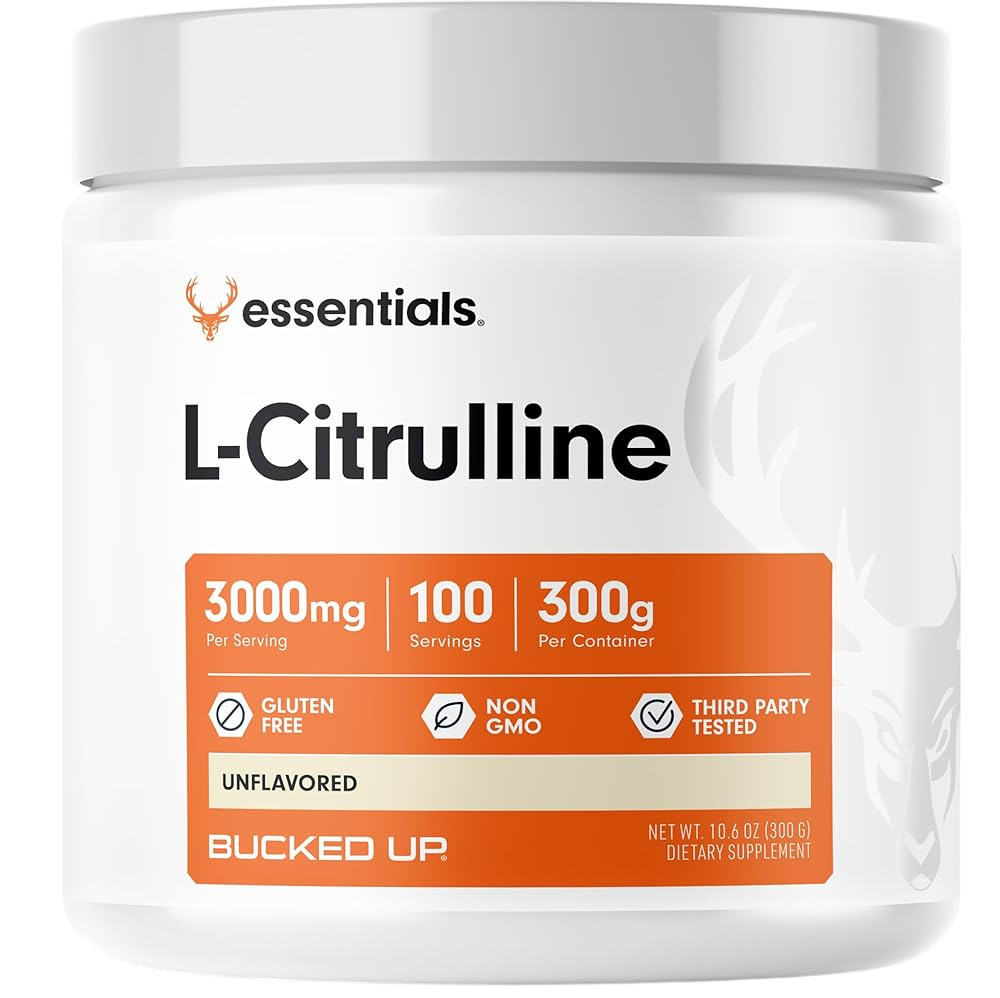
- Generally safe with minimal side effects; try Bucked Up L-Citrulline risk-free.1
1. How Citrulline Malate Works in Your Training
Citrulline malate works through several pathways that directly influence performance in the gym or on the field.1 The L-citrulline portion converts to L-arginine in the kidneys and then supports nitric oxide synthase enzymes that produce nitric oxide. This gas relaxes blood vessels, which improves blood flow and oxygen delivery to active muscle.1
The malic acid portion enters the Krebs cycle as an intermediate, where it can support aerobic ATP production and phosphocreatine recovery.1 French research from the 1970s and early 2000s first highlighted malic acid’s role in energy metabolism and lactate handling, creating the theoretical base for citrulline malate’s ergogenic potential.1
This energy support works alongside L-citrulline’s role in the urea cycle, where it helps clear ammonia during intense efforts. This ammonia buffering may reduce exercise-induced fatigue by limiting buildup of byproducts that contribute to central fatigue.1
Together, these mechanisms support blood flow, energy production, and waste removal, which are three key factors that limit performance.1 A powerlifter using 6–8g of citrulline malate about 60 minutes before training may notice fuller muscles and less drop-off in performance across heavy sets.1
2. Research on Citrulline Malate Benefits for Athletes
Recent meta-analyses and randomized controlled trials give solid support for citrulline malate’s performance effects.1 Vårvik et al. 2021 reported that acute citrulline malate supplementation improves repetition performance during strength training, which helps shape practical dosing strategies.1
Resistance training data show the clearest impact. Studies using 8g of citrulline malate report up to a 53% increase in total repetitions to failure across multiple sets.1 The same dose has been associated with a 40% drop in muscle soreness 48 hours after training.1
Endurance findings look more nuanced. A meta-analysis of nine RCTs reported no significant effect of citrulline supplementation, including 6–9g of L-citrulline or citrulline malate, on time-to-exhaustion. Other work, however, notes improvements in power output and oxygen uptake kinetics.1 This pattern suggests citrulline malate may help endurance athletes perform harder within a given time frame rather than simply extending maximal effort duration.
The table below highlights the main resistance-training outcomes and the doses used, so you can see what athletes achieved at specific intake levels.
| Benefit | Study Outcome | Dose/Source |
|---|---|---|
| Repetitions to Failure | Up to a 53% increase in total repetitions to muscular failure across multiple sets1 | 8g Citrulline Malate |
| Muscle Soreness Reduction | 40% reduction in muscle soreness two days post-exercise1 | 8g Citrulline Malate |
| Time to Exhaustion | No significant effect of citrulline supplementation on time-to-exhaustion during exercise | 6–9g Citrulline Malate |
3. Practical Citrulline Malate Dosage Guidelines
Evidence-based dosing varies with your goal and experience level. Studies on healthy adults show that 6–8g of citrulline malate before lifting can improve resistance performance and reduce delayed-onset muscle soreness.1 The 8g dose that produced the 53% repetition increase was taken about 30–60 minutes before training.
For ongoing use, lower daily amounts often work well. Research-supported ranges include 6–8g of citrulline malate in a 2:1 ratio, which yields about 3.4–4.5g of L-citrulline, or 3–6g of pure L-citrulline per day.
The table below shows how these doses apply across different training styles and highlights that effective pre-workout ranges stay fairly consistent.
| Training Type | Dose | Timing | Notes |
|---|---|---|---|
| Resistance Training | 6–8g | 30–60 min pre-workout | Peak effects around 0.7–2 hours |
| Endurance Training | 6–8g | About 60 min pre-workout | May support power output and oxygen use |
| Daily Maintenance | 3–6g | Morning or pre-workout | Divided doses are acceptable |
These protocols align with research showing reduced lactate buildup and better oxygen uptake within the first hour after ingestion. Many athletes feel fuller pumps and smoother effort during that window.1
Bucked Up formulations deliver the same 6–8g ranges used in research. Start with research-backed doses and explore Bucked Up L-Citrulline options.
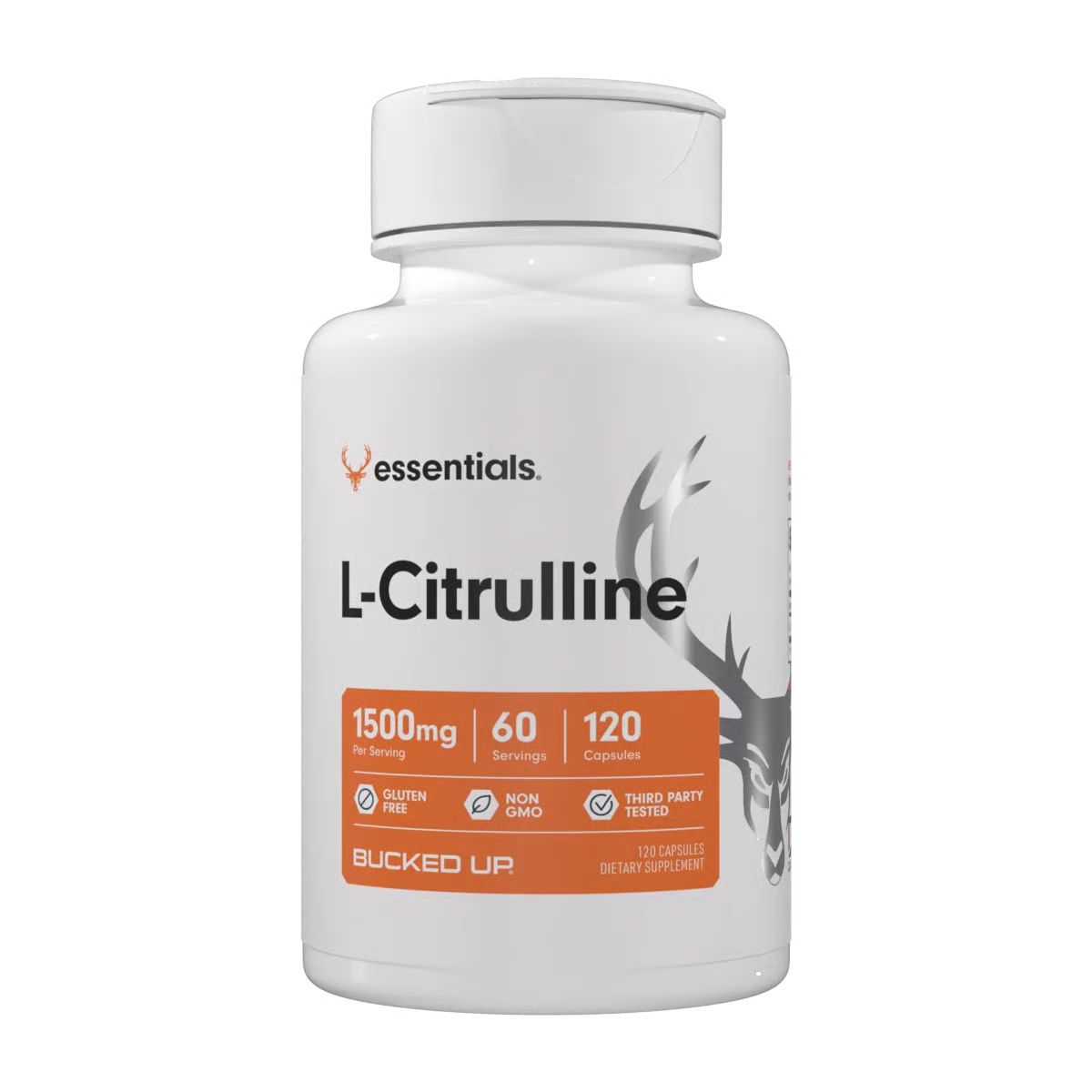
4. Bucked Up Citrulline Malate Products for Different Athletes
Bucked Up uses transparent labels and clearly stated doses across its pre-workout line. The foundational Bucked Up Pre-Workout provides 6,000mg of citrulline malate in a 2:1 ratio plus AstraGin to support absorption. This amount matches protocols that have shown performance benefits.1 View Bucked Up Pre-Workout label.
Athletes who want a stronger focus on pump and vasodilation may look at Mother Bucker. This formula supplies 4,000mg of pure L-citrulline combined with Nitrosigine and Hydroprime Glycerol, which the company describes as a “pump trifecta” that targets blood flow through several pathways.1 The Woke AF pre-workout keeps the 6,000mg citrulline malate dose but raises stimulant content for experienced users who tolerate higher caffeine. View Mother Bucker label. View Woke AF label.
This lineup gives lifters options based on their priorities: balanced support with Bucked Up Pre-Workout, pump-focused stacking with Mother Bucker, or higher-stim training with Woke AF.
Transparent labeling lets you confirm actual citrulline content instead of guessing at amounts hidden in proprietary blends. The inclusion of AstraGin across these pre-workouts also addresses absorption so more of the labeled citrulline can reach circulation.
5. Choosing Citrulline Malate vs L-Citrulline for Your Pump
The decision between citrulline malate and pure L-citrulline comes down to your goals and how you respond. Some exercise studies suggest citrulline malate can outperform pure L-citrulline on performance outcomes, likely because it combines nitric oxide support with malate’s role in the Krebs cycle.1
Endurance-focused athletes may appreciate citrulline malate, since malic acid participates in energy metabolism and may help with sustained efforts. Pure L-citrulline focuses more directly on nitric oxide production without extra metabolic cofactors, which can appeal to athletes who mainly want vascular and pump effects.
Research across strength and endurance settings supports citrulline-based supplementation as a useful tool. Many athletes treat citrulline malate or L-citrulline as a core part of an evidence-informed pre-workout stack rather than a stand-alone solution.
6. Citrulline Malate Safety and Side Effects for Athletes
Citrulline malate shows a strong safety record in healthy adults at studied doses. Reports indicate no known serious adverse effects at 6–8g.1
Most participants tolerate citrulline malate well, with mild gastrointestinal discomfort at higher intakes being the main complaint.1
Athletes who already have low blood pressure should proceed carefully and monitor how they feel.
Daily use in the 3–6g range appears safe for longer periods, based on current data. Still, anyone on blood pressure or cardiovascular medications should talk with a healthcare professional before adding citrulline malate or L-citrulline.
Bucked Up uses clear labels so you know exactly how much citrulline you are taking. Experience the benefits with confidence and try Bucked Up L-Citrulline today.1
Frequently Asked Questions
How much citrulline malate per day should athletes use?
The 6–8g pre-workout dose discussed earlier provides acute performance support when taken 30–60 minutes before training.1 For daily maintenance, 3–6g can be used consistently. With a 2:1 citrulline-to-malate ratio, 6g of citrulline malate supplies about 3.4g of actual L-citrulline. Source.
Does citrulline malate work immediately?
Citrulline malate starts to act within roughly 0.7–2 hours after ingestion, which matches peak plasma levels. Many athletes notice better muscle fullness and less fatigue during that workout window, with effects that can last several hours.1
Can I take citrulline malate every day?
Daily citrulline malate intake of 3–6g is considered safe for healthy adults. Some athletes use a lower daily dose for general support and a higher pre-workout dose for acute performance. Consistent use may help recovery and long-term training adaptations.1
What side effects can athletes experience with citrulline malate?
Side effects tend to be mild and uncommon. The most frequent reports involve gastrointestinal issues such as nausea or bloating at higher doses.1 A few athletes notice headaches, likely related to vasodilation. Starting at the low end of the range and increasing slowly can help limit these issues.
What is the best time to take citrulline malate?
The most studied timing is 30–60 minutes before training, which allows conversion to active metabolites. For daily support, many athletes take it in the morning or split the dose across the day. Taking it right before bed is less common because some people feel more energized.
Is citrulline malate useful for running and cycling?
Research indicates that citrulline-based supplements can support endurance performance in activities like cycling and running. Studies report improvements in power output and oxygen use, even when time-to-exhaustion does not change significantly.1 These effects can benefit both aerobic and high-intensity intervals.
Conclusion: Using Citrulline Malate to Support Performance
Evidence across multiple studies supports citrulline malate as a helpful aid for athletic performance. Athletes using 6–8g before training can see more repetitions, less soreness, and better-quality sessions when combined with solid programming and nutrition.1
Bucked Up’s citrulline-focused products provide clearly labeled doses and absorption support, which helps align real-world use with the research. Many serious lifters and competitors treat citrulline malate or L-citrulline as a reliable part of a broader, science-informed supplement plan.
Put the science to work in your own training. Get Bucked Up L-Citrulline and apply these research-based protocols.
1 The content provided in this article is for informational purposes only and is not medical advice. Consult with a medical professional before implementing any changes to your diet, health, or exercise routines.
Individual results will vary and are based on a combination of each individual’s diet, exercise, age, and health circumstances.
These statements have not been evaluated by the Food and Drug Administration. This product is not intended to diagnose, treat, cure or prevent any disease.
This article was written by Ryan Gardner, CEO of Bucked Up. As the maker of Bucked Up Protein Soda, we have a financial interest in this information. The views expressed are our own and should be read with that context in mind.